MAIN ARTICLE
Antalya: Climate diplomacy runs into the cost of compromise
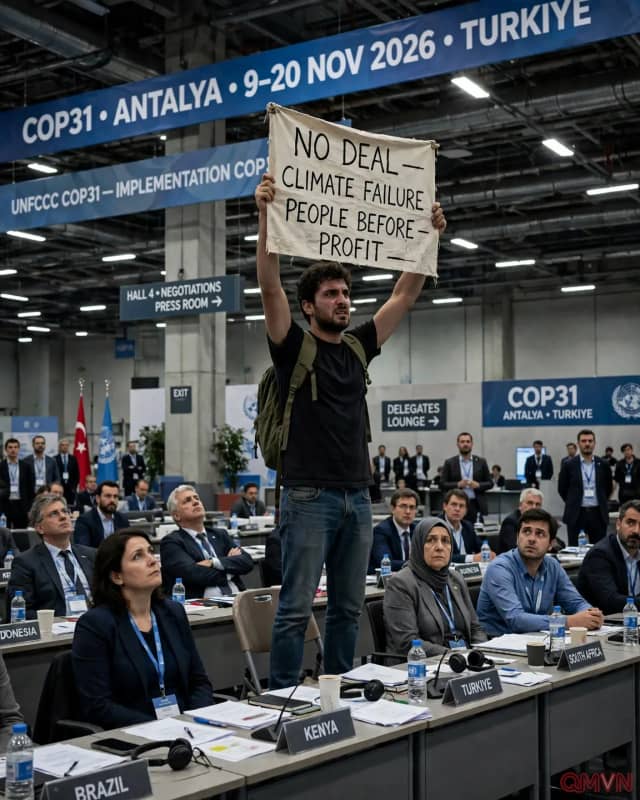
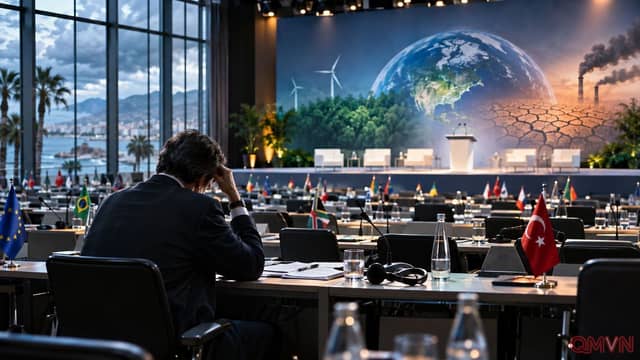
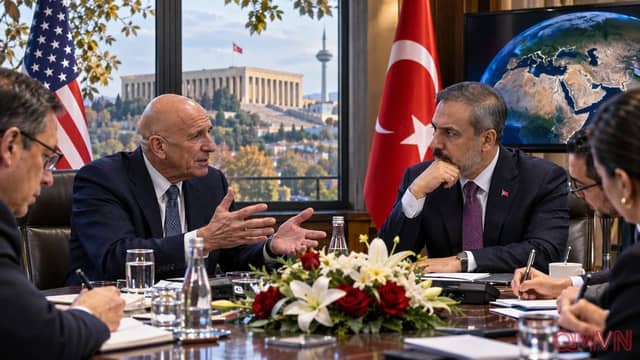
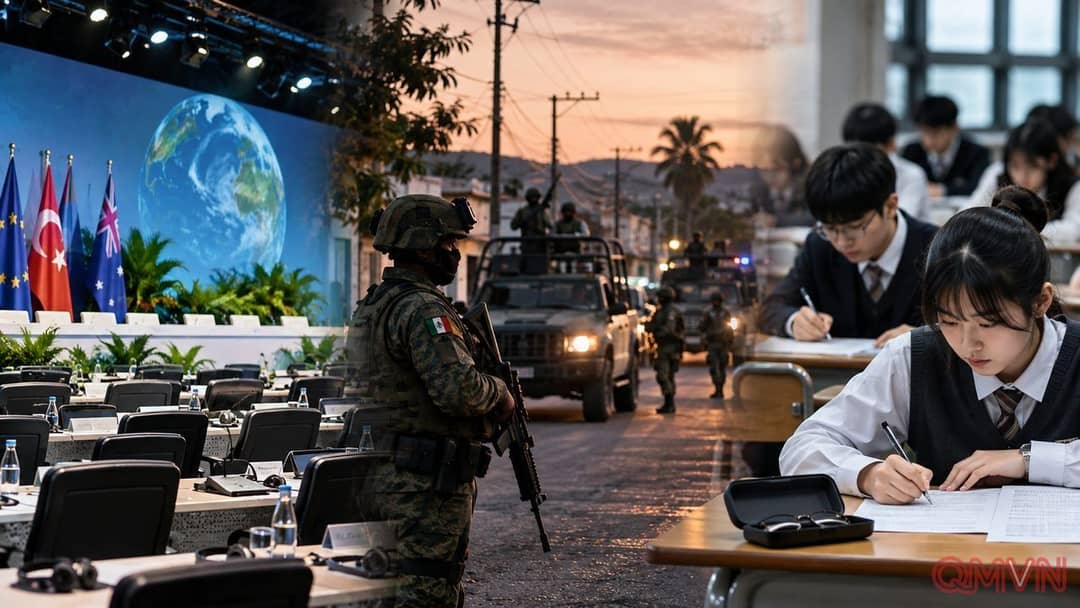
After more than two weeks of negotiations and two days of overtime, COP31 in Antalya, Turkey, ended without a common political declaration. Reuters reported that the European Union and other delegations considered the text proposed by the Turkish and Australian conference presidencies too weak to advance action against global warming. Conference president Murat Kurum declined to present another draft, while Australia’s negotiations president Chris Bowen described the outcome as deeply disappointing. Failure to approve a fresh political statement does not cancel obligations previously agreed at United Nations climate summits. It does, however, weaken the annual gathering’s ability to signal collective resolve as heatwaves, floods, wildfires and extreme storms intensify.
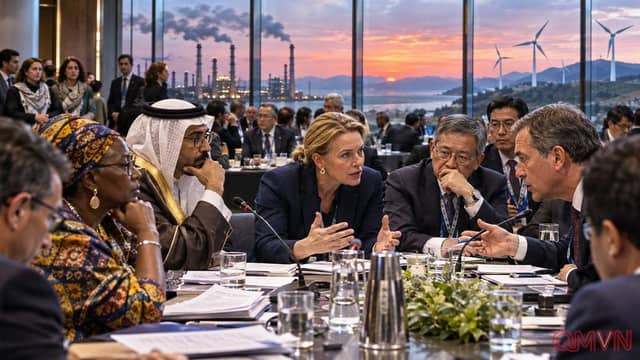
The divisions were familiar but consequential. Governments disagreed over the future of fossil fuels and the financing needed to help vulnerable countries adapt to warming. A proposal to triple adaptation finance left the baseline unspecified, making its practical significance difficult to judge. Another Turkish-backed proposal sought to raise electricity’s share of global final energy consumption to 35% by 2035, from about 23%. Supporters see electrification as a route to lower emissions through cleaner transport, heating and industry. Critics worry that poorer countries may shoulder new costs without predictable assistance or a sufficiently clear pathway away from coal, oil and gas. The clash illustrates why a target alone cannot substitute for an equitable implementation plan.