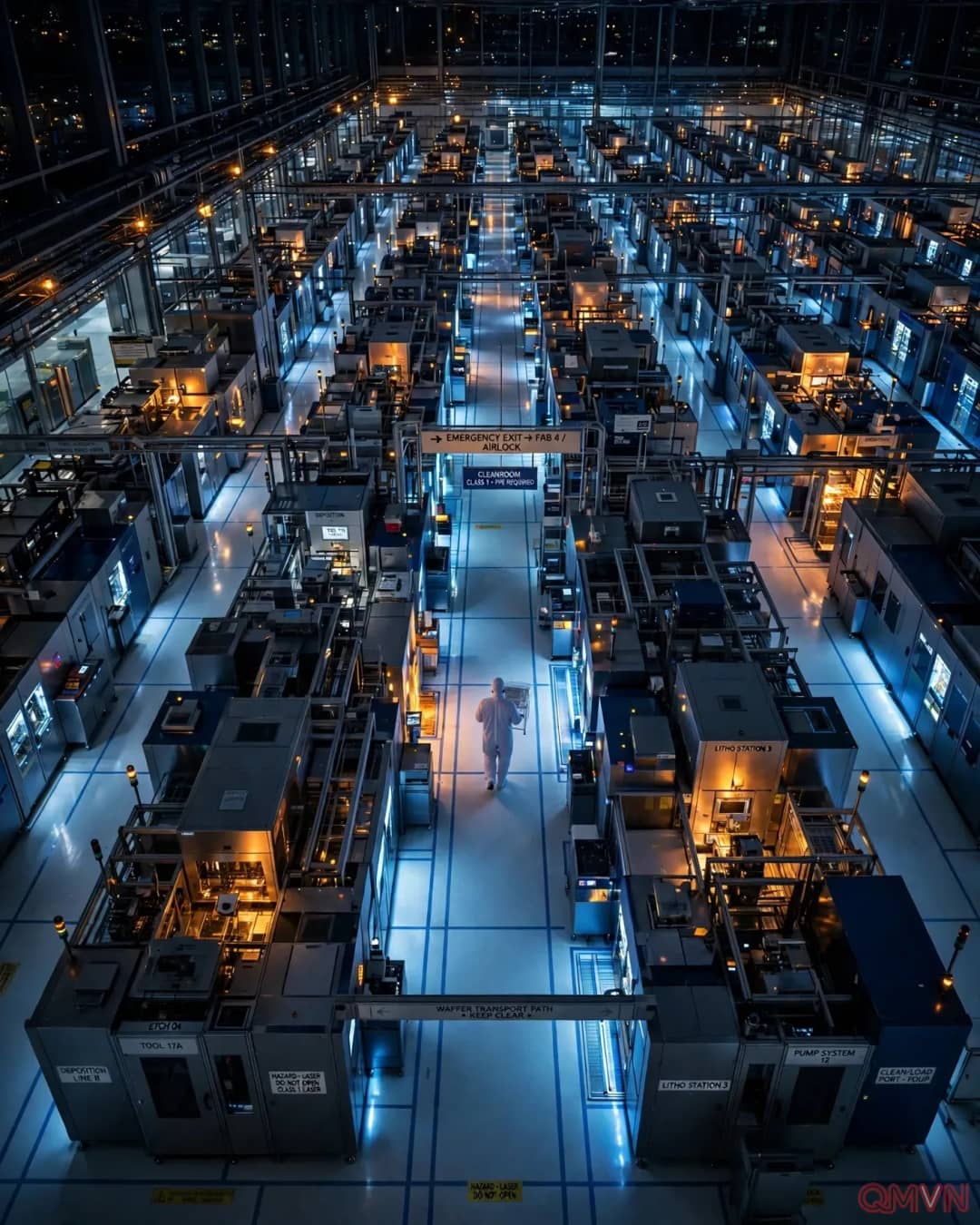
A shifting balance in DRAM
At the end of 2025, Samsung, SK hynix and America's Micron together held more than 90% of the DRAM market. That share is starting to erode. According to Counterpoint Research, Samsung led the market with 38% in the first quarter of 2026 and SK hynix held 29%, while CXMT climbed to 8%, up from 3% a year earlier. By the second quarter, CXMT had reached 10%, even as SK hynix's share fell.
In NAND flash, used for long-term storage, YMTC's share grew from 8% to 11% during 2025, putting it on track to become the world's third-largest producer, ahead of some established competitors.
How Korea's AI pivot opened the door
The Korean companies' gains in the AI era have come largely from HBM, the stacked memory used alongside Nvidia's accelerators. That success has had side effects that benefited Chinese rivals:
- Shifting production lines to HBM and enterprise products reduced the supply of conventional DRAM and consumer NAND.
- Shortages pushed prices sharply higher, making Chinese chips more attractive to buyers seeking alternatives.
- Strong domestic demand from Chinese phone, PC and AI companies gave CXMT and YMTC a large, protected customer base.
- Huge IPOs on Shanghai's STAR Market, including about $8.6 billion for CXMT, funded rapid expansion.
Industry estimates cited by The Korea Times suggest YMTC is about two years behind global leaders in NAND, while CXMT trails by roughly three years in commodity DRAM and around four years in HBM. That technology lead remains Korea's strongest defence.
The test of a cooling market
The boom that lifted everyone is losing momentum. TrendForce expects conventional DRAM contract prices to rise 10% to 15% in the fourth quarter, slower than earlier in the year, and NAND contract prices stopped climbing in October for the first time in 21 months. Spot prices for mainstream chips slipped in early November.
In a downturn, the battle could shift from technology to cost and volume. Analysts warn that if new Chinese capacity keeps coming online while demand softens, prices of conventional chips could fall sharply, squeezing margins for all producers. Korean firms with exposure to commodity memory may feel the pressure first, while their HBM business is expected to remain more resilient.
Korea's options
Supporters of Korea's strategy argue that doubling down on HBM and next-generation products is the best way to stay ahead, since Chinese firms face major hurdles in advanced manufacturing tools. Others urge Seoul and its chipmakers to protect market share in conventional chips too, warning that ceding the mass market could weaken economies of scale over time. The answer will shape not only company profits but also one of the pillars of South Korea's economy.