Yemen Becomes Iran's Newest Strategic Card
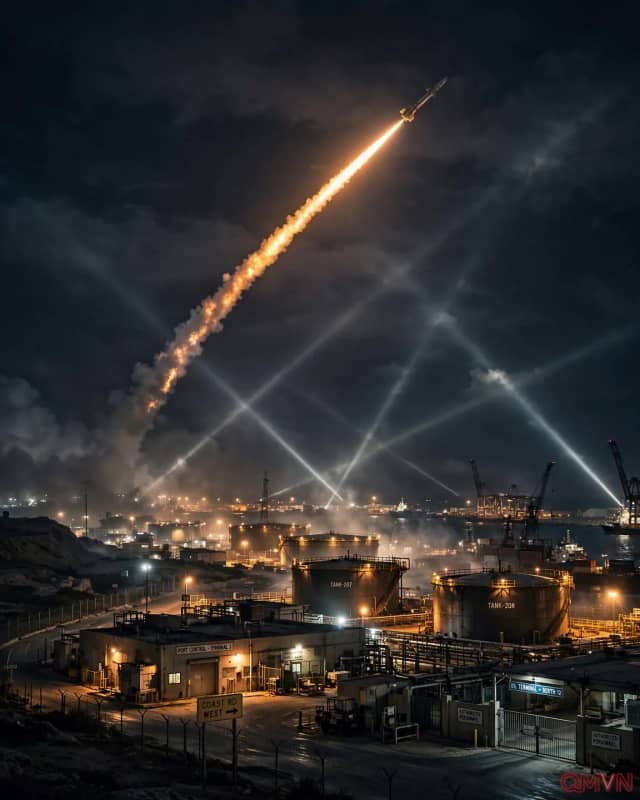
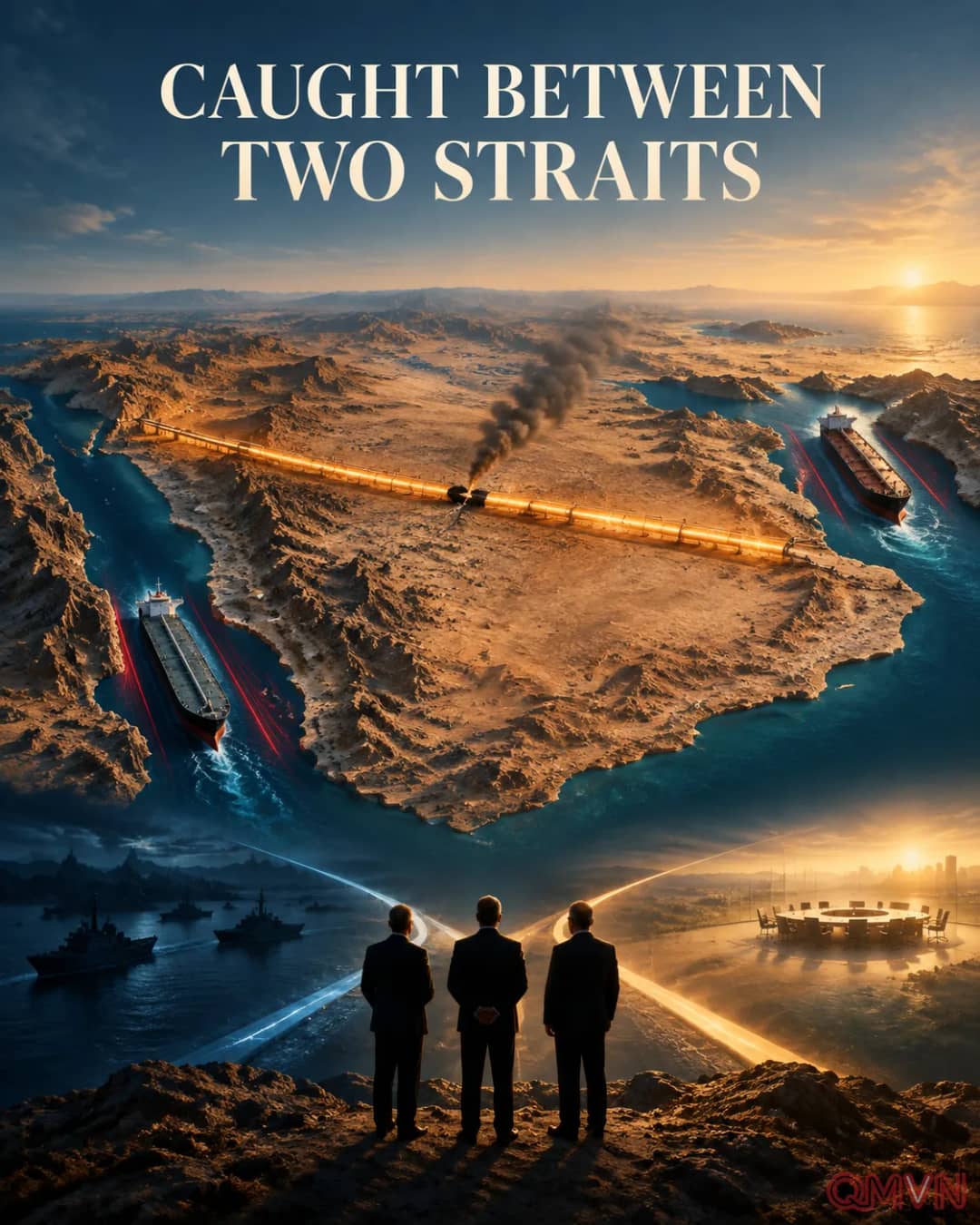
Middle East analyst Fawaz Gerges described the Houthi capture of strategic islands near Bab el-Mandeb as "a game changer," giving the group far greater geopolitical and geoeconomic leverage over Saudi Arabia, the Gulf, the United States, and global trade. Riyadh had rerouted much of its crude exports through Red Sea ports to bypass the Hormuz chokepoint, but on Friday it was forced to shut down the very pipeline carrying that oil after it came under attack. Former U.S. negotiator Aaron David Miller noted that the group is unlike traditional proxies precisely because it can weaponize geography itself, with consequences that ripple across the entire global oil economy. According to regional officials, the calculation from Tehran and the Houthis is straightforward: threatening both Hormuz and the Red Sea simultaneously drives up oil prices and inflation, while narrowing the Gulf's ability to rely on Washington to resolve the crisis. Analysts say the timing is no accident, arriving just as the region searches for any sign of how the wider standoff with Iran might eventually be resolved.
Gulf States Caught Between Two Oil Chokepoints
Trump's reported refusal to grant a Saudi request for the United States to strike the Houthis, combined with mounting economic costs, is reinforcing a view in some Gulf capitals that negotiating with Tehran is no longer optional but a matter of self-preservation. Alex Vatanka of the Middle East Institute argues the question facing Gulf states is increasingly less about whether they trust Iran, and more about how to protect their interests and survive hostilities that Washington cannot quickly end.