Sunlit streets and the sudden return of urban vitality
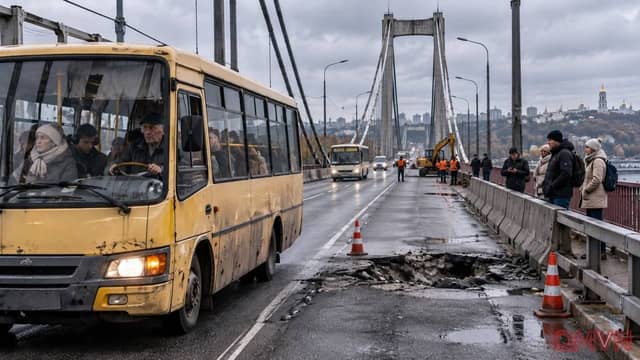
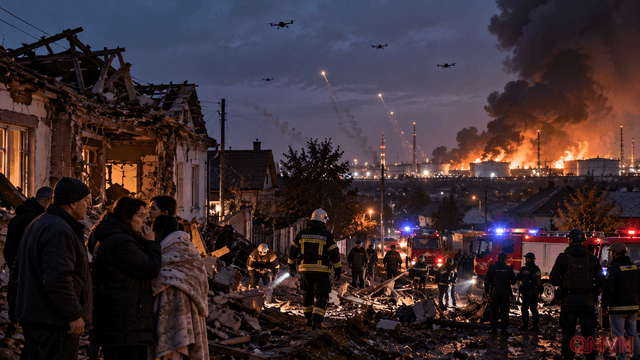
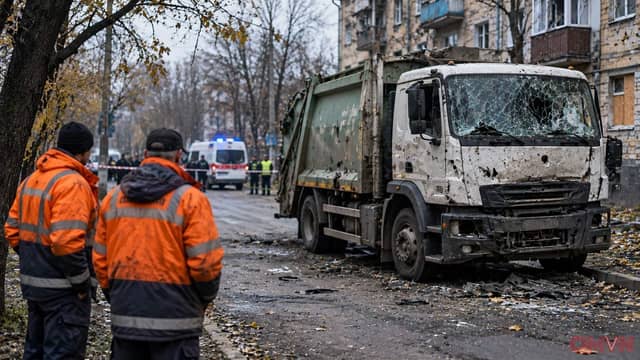
Throughout nearly five years of grinding warfare, the port city of Kherson on the banks of the Dnipro River had deteriorated into a heavily scarred urban garrison where lethal strikes arrived with unpredictable frequency. On Wednesday, however, an unfamiliar silence settled over shattered boulevards as the omnipresent hum of strike drones dissipated, encouraging remaining inhabitants to cautiously step outside their underground sanctuaries.
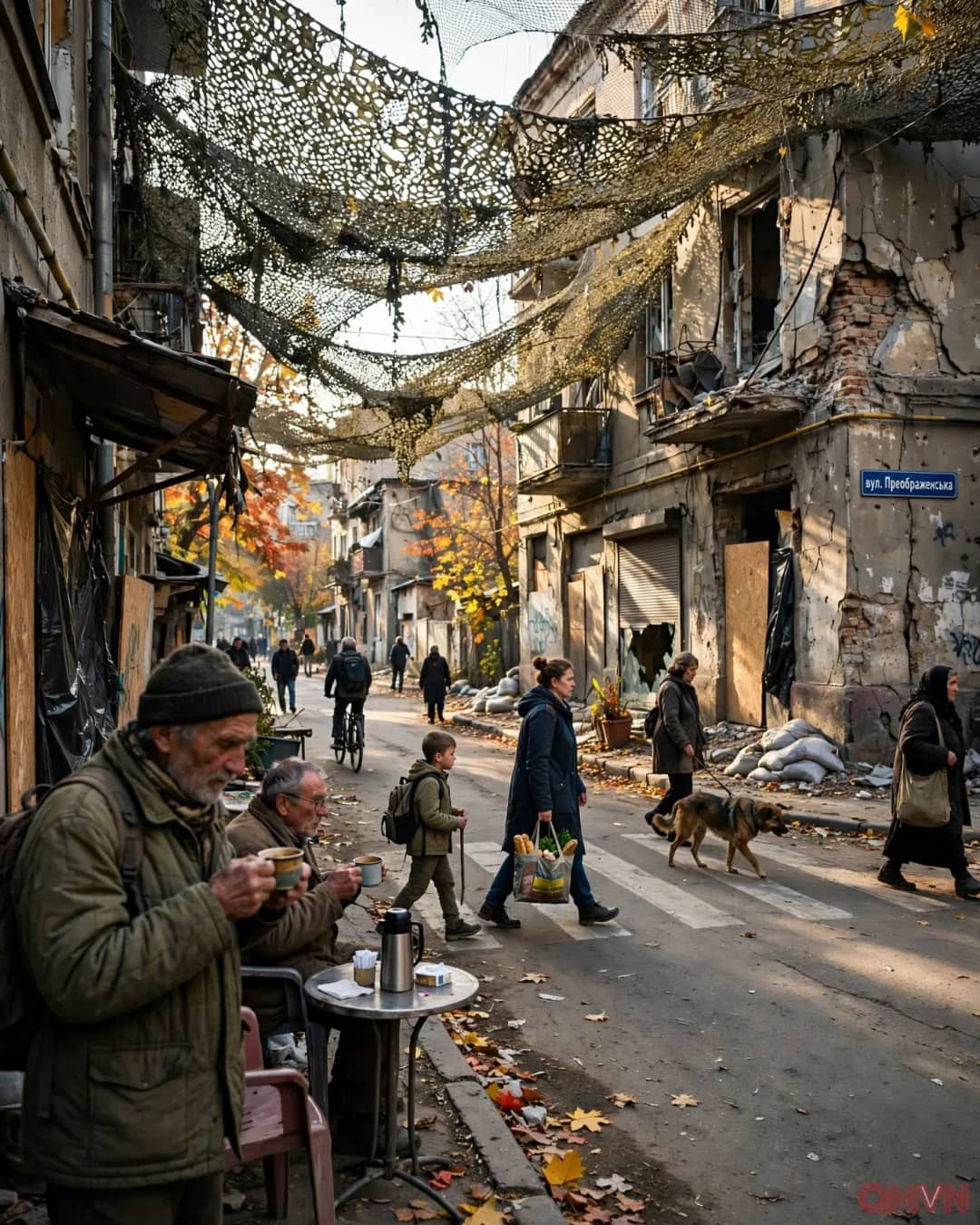
“Kherson, which was constantly under fire, literally came to life as people calmly stepped out into the autumn sun.” — Dmytro Lubinets
Ordinary civic routines assumed the qualities of a profound blessing: elderly retirees sat drinking coffee on park benches unmarred by the rumble of distant artillery, while pedestrians walked pets along quiet sidewalks. Neighborhood kiosks and municipal transit lines reported passenger traffic doubling within hours, demonstrating the extraordinary yearning for normalcy that persists even amidst prolonged siege conditions.
Humanitarian corridors and the diplomatic initiative across the Dnipro
The six-day regional cessation of hostilities, facilitated through diplomatic mediation led by US First Lady Melania Trump, was heralded by senior Ukrainian officials as a potential confidence-building milestone. The primary operational objective behind the temporary pause centers on delivering critical pharmaceutical supplies and emergency sustenance to Oleshky, a riverfront community suffering acute deprivation under persistent cross-river bombardment.