MAIN STORY
A distress call in difficult seas
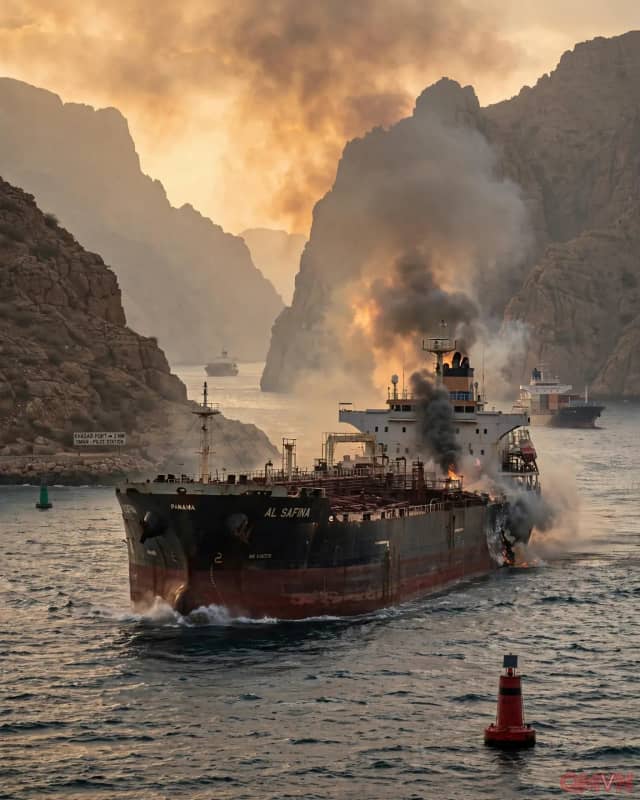
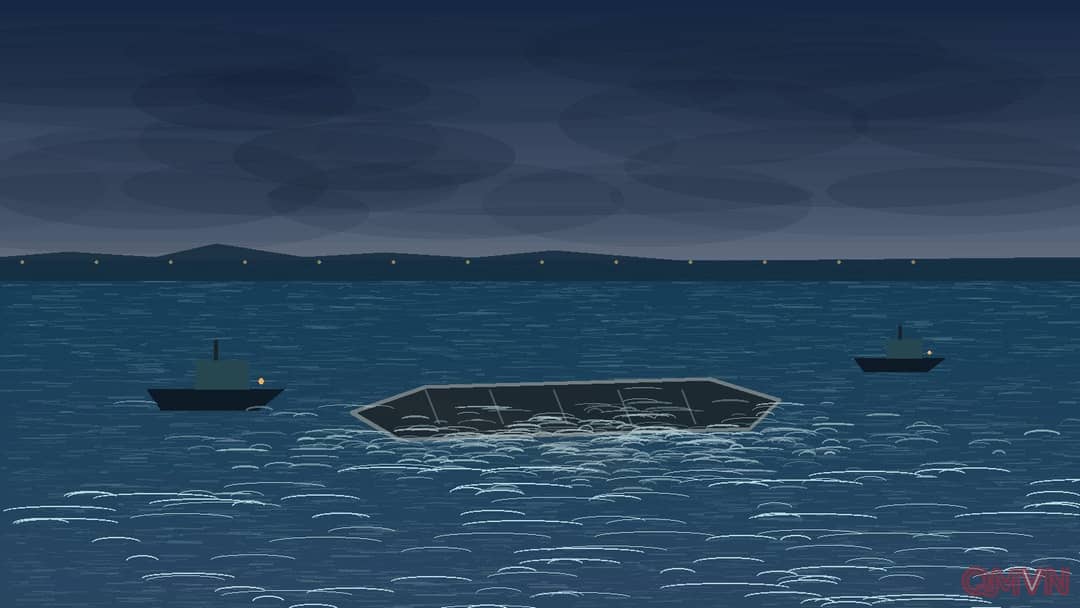
At approximately 10 a.m. on October 23, Romania’s maritime rescue coordination centre received an alert from the Khoryv, around 13 nautical miles offshore from the port of Constanța and just beyond Romanian territorial waters. The Comoros-flagged vessel carried 13 people: ten Ukrainians and three Azerbaijanis. Rescue ships were dispatched by the authorities and emergency services.
Nine sailors were recovered alive, one body was found and three crew members were still missing. Survivors were brought ashore for medical assessment. Strong winds, heavy seas and poor visibility made aerial rescue impractical, leaving boat crews to conduct a difficult search against deteriorating conditions.
Footage released by Romanian officials showed only a narrow section of the vessel above the waves as it capsized. Those images establish the severity of the disaster, but a detailed explanation of the hull damage and chain of events will require a fuller investigation.
What the authorities say—and what remains uncertain
President Nicușor Dan said the ship had been struck by a drone and described the episode as part of Russia’s escalation in its war against Ukraine. His statement is an official accusation; it should not be confused with a publicly available independent forensic determination about the drone’s operator.
The reported position, 13 nautical miles from shore, matters because the ordinary territorial sea extends 12 nautical miles. Threats to commercial shipping do not stop at such legal boundaries, making timely warnings and coordinated rescue services critical across the maritime region.
Investigators will need vessel-tracking information, physical evidence and accounts from those who survived. Rescue teams, meanwhile, face a separate and immediate imperative: finding missing people. Maintaining that distinction helps prevent uncertainty over responsibility from obscuring the human emergency.
A vital commercial corridor under pressure
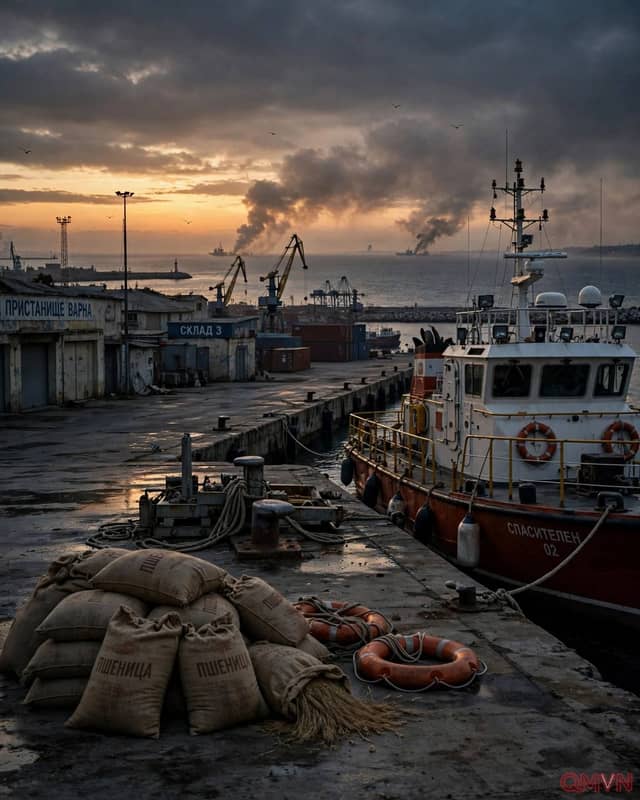
Reuters reported that at least seven commercial ships had been struck over roughly two weeks near Romania and Bulgaria. Several were anchored near or bound for the Sulina Canal, connecting the Danube to the Black Sea. This route is crucial for Ukrainian grain and vegetable-oil exports.
With Ukrainian Black Sea port infrastructure under attack, Danube facilities and routes through nearby Romanian waters have become an important alternative. Security threats can raise insurance premiums, delay sailings and force operators to reconsider routes even without a formal closure.
The consequences extend beyond one country. International crews, foreign-flagged ships and port communities all bear costs when civilian maritime transport becomes exposed to military violence.
Maritime security begins with civilian protection
NATO has announced plans to send more maritime patrol aircraft, radar equipment and drones to the Black Sea. Romania also recently reported shooting down two Russian drones over its territorial waters. Improved surveillance is intended to provide earlier warning and a clearer picture of events.
Yet sophisticated monitoring cannot replace search-and-rescue vessels, practical warnings to merchant crews or coordination between civilian and military authorities. Seafarers on commercial ships do not have the protection available to naval vessels and often have little say in the geopolitical risks along their route.
For the families of the three missing sailors, the immediate measure of success is the continuing search. In the longer term, safer maritime corridors depend on transparent investigations, restraint against escalation and meaningful protections for civilians caught near the war.