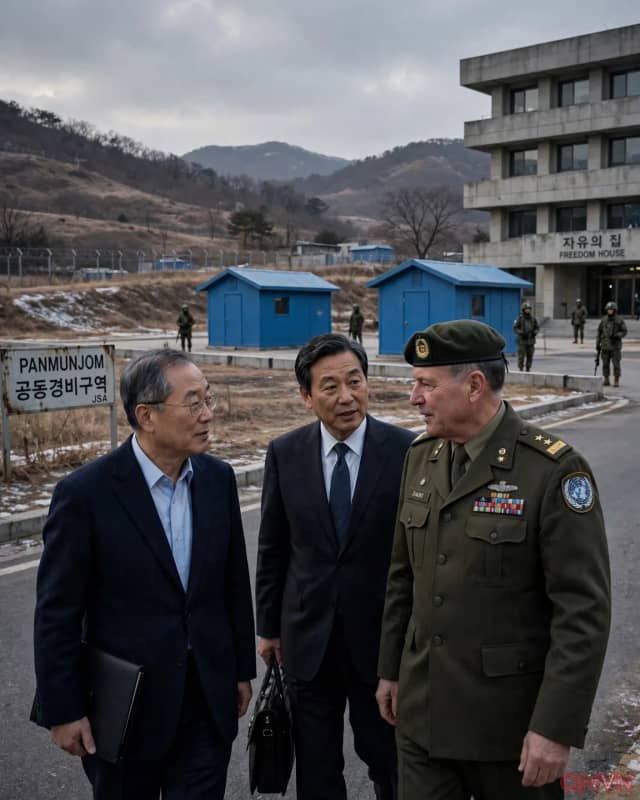
A final conclusion after two weeks of investigation
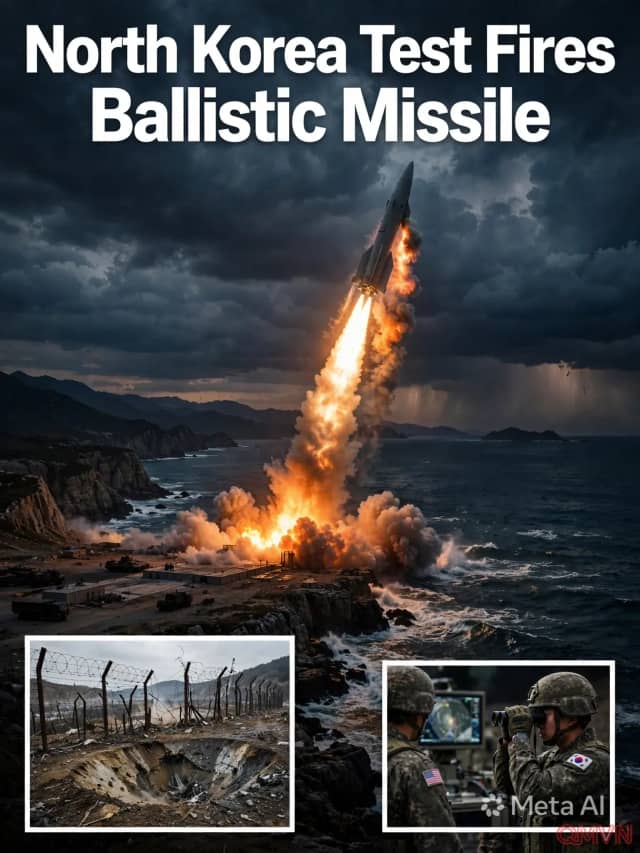
According to South Korea’s Joint Chiefs of Staff, the three soldiers were injured in two consecutive explosions while creating a patrol route through a densely vegetated area in the western section of the DMZ, near the military demarcation line. After a preliminary assessment in late September found a “very high possibility” that North Korean mines were to blame, Seoul has now reached a formal conclusion based on several pieces of evidence:
- A joint on-site investigation with the US-led United Nations Command.
- Forensic analysis of TNT and other substances collected at the scene.
- Another North Korean-planted mine discovered days after the blast.
- A finding that the mines were planted south of the military demarcation line.
On Oct. 5, the South Korean military removed a North Korean minefield around the blast site and said it would remove other North Korean minefields placed south of the border unless Pyongyang voluntarily eliminates them.
Seoul demands an apology and the removal of mines
At a televised briefing, Lt. Gen. Kwon Dae-won, vice chairman of the Joint Chiefs of Staff, stressed that North Korea’s actions violated the armistice that ended fighting in the 1950–53 Korean War.