MAIN ARTICLE
The race for copper and the three-million-tonne ambition
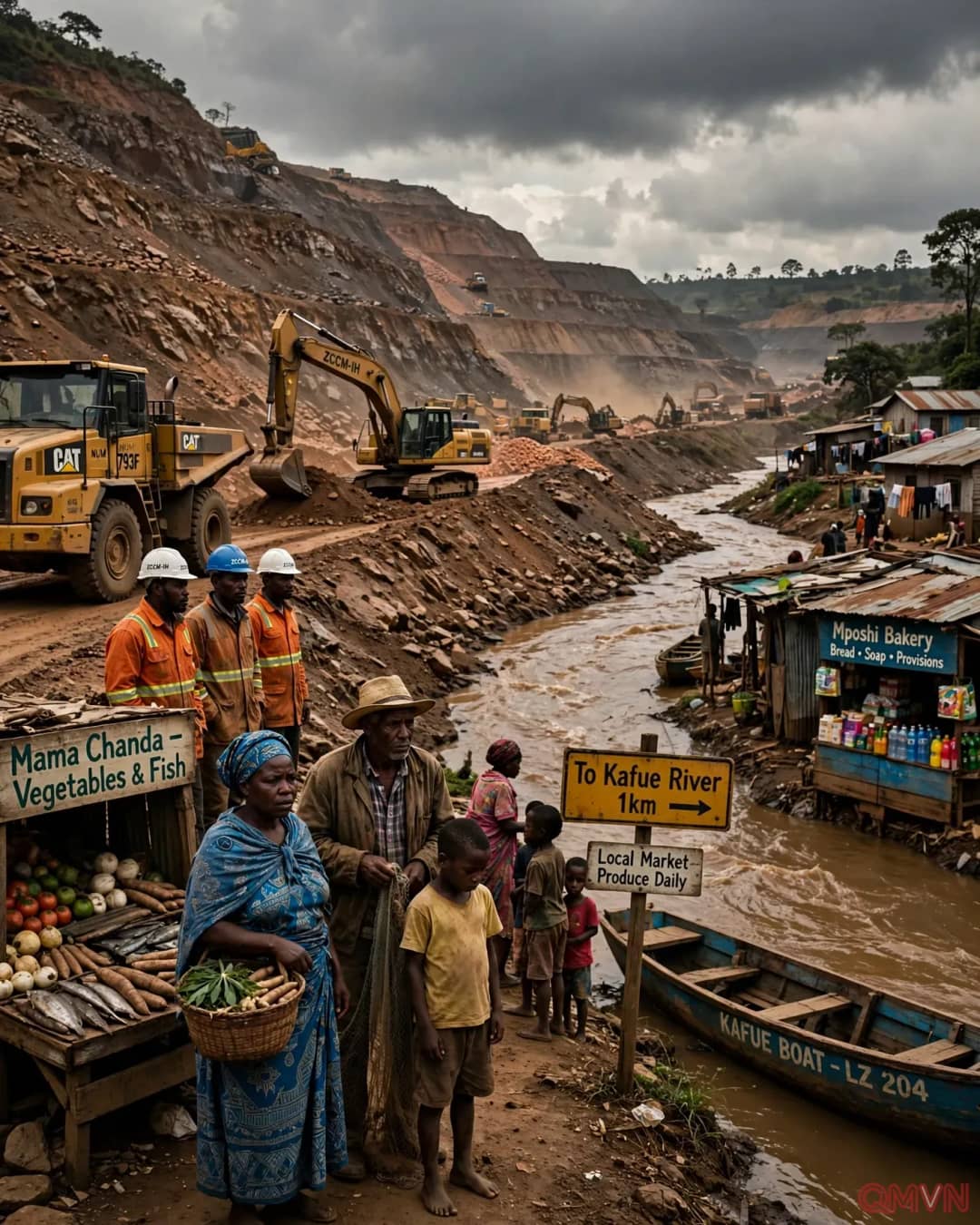
Copper is increasingly important to the world economy because it carries electricity through vehicle motors, transmission lines and renewable-energy systems. Zambia already has substantial ore deposits, but scaling output will test infrastructure as much as geology. Reuters reported production of about 890,346 tonnes in 2025. Reaching three million tonnes a year by 2031 would require an extraordinary expansion of processing capacity, transport links, reliable electricity and skilled employment.
Hichilema says more than $12 billion has flowed into new and existing mining projects since 2022. His government has highlighted investments at First Quantum Minerals' Kansanshi operation, Barrick's Lumwana project, the Mopani recapitalisation and the return of activity in Luanshya. Abu Dhabi-based International Resources Holding pledged approximately $1.1 billion for Mopani, acquiring a 51% stake while state-owned ZCCM Investments Holdings retained 49%. Such agreements may revive mines, but a financial headline cannot by itself reveal how much income reaches households.
Zambia is also conducting a nationwide high-resolution geophysical survey to identify additional mineral potential. Better geological information can reduce uncertainty for investors. Its public value, however, depends on transparent access, credible licensing and safeguards for people whose land and water may be affected by subsequent projects.