MAIN ARTICLE
A blast outside the capital makes a distant war personal
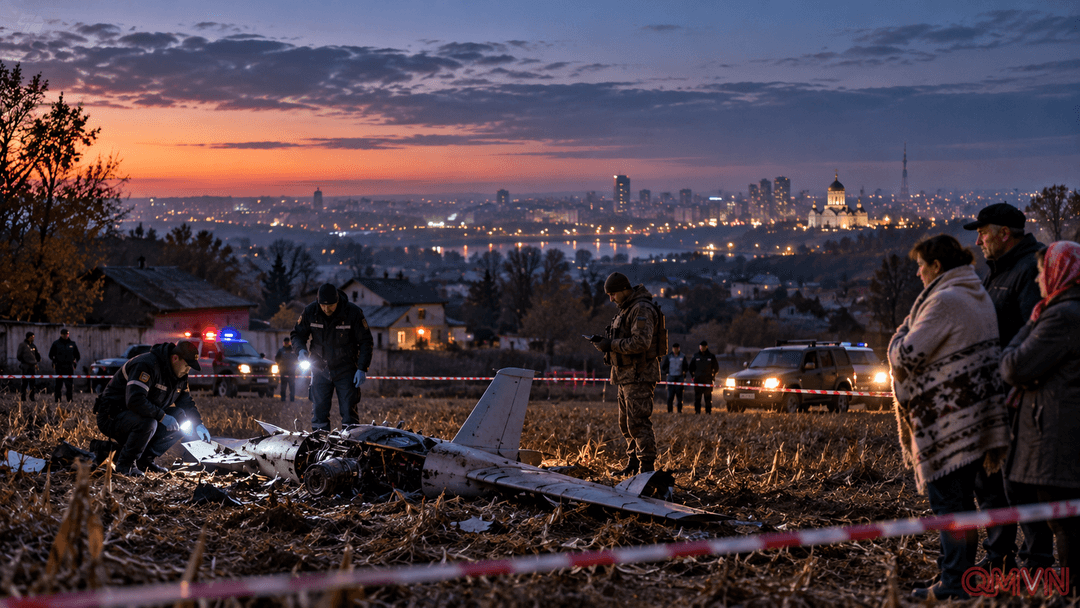
At about 4:20 a.m. on September 18, residents of Colonita reported a flash and a blast that shook their homes. Responders subsequently discovered parts of what authorities identified as a Russian drone in farmland roughly seven kilometres from central Chisinau. According to the Moldovan Defence Ministry’s explanation reported by El País, the device was not detected in time because it was flying fast and low.
The distinction between an open field and a densely populated street can come down to chance. Even where an incident produces no mass casualties, it creates the possibility of harm to residents, transport networks and emergency personnel. It also exposes a second danger: without prompt detection and credible warnings, families may have no practical opportunity to shelter.
The ministry’s tally traces a rising pattern: four reported airspace violations in 2022, six in 2023, 10 in 2024, 17 in 2025 and 56 by early October 2026. The categories include drones, decoys, missiles, fragments and other objects. These are Moldovan official figures, not independent forensic findings about every individual incursion.