Two Dan Sullivans on one ballot
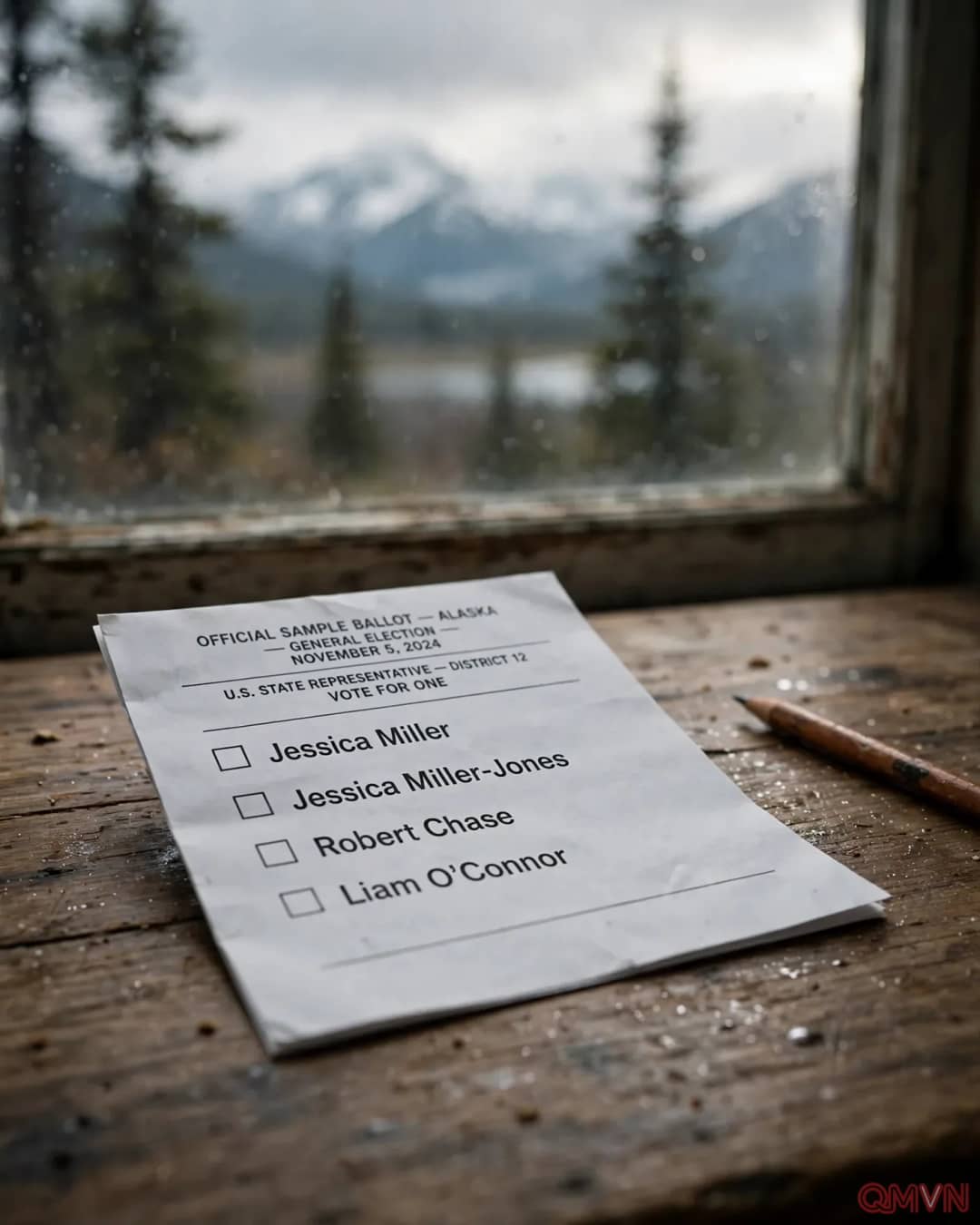
This year's Senate ballot in Alaska lists four names: Republican Senator Dan S. Sullivan, Democrat Mary Peltola, Daniel J. Sullivan, a retired teacher from the town of Petersburg, and Gerald Heikes. According to The New York Times, polls give Peltola a strong chance of winning a race that could decide control of the Senate.
Daniel J. Sullivan maintains that he entered the race of his own volition and describes himself as a moderate Republican. Republicans have called him a Democratic plant and tried to remove him from the ballot, but in June the Alaska Supreme Court ruled there was no legal basis to do so.
What The New York Times reported
Based on interviews with 12 people and dozens of text messages, the investigation describes an effort known internally as the “ballot composition project.” According to the newspaper:
- In the summer of 2025, a Peltola staffer was asked to compile a list of people named Dan Sullivan across the state.
- A veteran Democratic operative from Ohio allegedly used a fake name to approach several Alaskans and urge them to run; he did not respond to requests for comment.
- Advisers discussed the idea of forming a new right-wing party to draw more conservative candidates, but the plan fizzled out.
- Heikes said he was encouraged to run by “a guy from the Midwest,” though he could not identify the man.
Elisa Rios, Peltola's former campaign manager, who was fired in August, was a key source. Last week, however, she asked to retract all her statements. The newspaper said it had never agreed not to publish the interviews and that her account was consistent with its other reporting.
The parties deny it
Both the Peltola campaign and the DSCC deny taking part in recruiting candidates. The DSCC said it had “no involvement” in recruiting Daniel J.
Sullivan or any other Republican candidate. The “Alaskans for Mary” campaign also issued a denial.
“The Alaskans for Mary campaign … did not recruit any candidates into the race.” — Alaskans for Mary campaign
Jim Lottsfeldt, a political consultant who works with super PACs supporting Peltola, also denied any knowledge or involvement, calling Rios a “disgruntled” source. The New York Times noted that ballot-stacking tactics are common, generally considered legal and have been used by both parties in Alaska.
The Justice Department's contested lawsuit
On October 22, the U.S. Justice Department filed suit in federal court, asking it to block certification of the result if Senator Sullivan loses and the votes cast for Daniel J. Sullivan were enough to change the outcome. According to CNBC, President Trump acknowledged that he had ordered the lawsuit.
“I'm the one that said ‘do it.’” — Donald Trump
Alaska's state officials said they had taken steps to clearly distinguish the two candidates on the ballot and asked for the suit to be dismissed. The Peltola campaign, the DSCC and groups such as the League of Women Voters of Alaska have also sought to join in opposing the case. According to the Harvard Gazette, one legal scholar said the Justice Department's claim has “no legal basis,” while the administration says its goal is to protect the integrity of the election.
An election system open to exploitation
Alaska holds nonpartisan primaries in which the top four candidates advance to a general election decided by ranked-choice voting. Candidates can claim a party affiliation without the party's approval, leaving room for vote-splitting tactics. In 2024, the state Republican Party also backed an effort to keep a Democrat, then an inmate in a New York prison, on the ballot in Peltola's House race.
Whatever the outcome on November 3, the episode shows how political tactics can slip through the gaps in election law, and how legal battles may stretch beyond election day. What Alaska's voters need most now is complete information to make their own decisions.