MAIN ARTICLE
Diplomatic hopes reshape the oil risk premium
The early Asian decline is better understood as a repricing of geopolitical risk than as proof that lost oil supplies have already returned. When negotiations look more promising, traders may become less willing to pay a premium against a future shortage. Yet Brent remained above $110 a barrel at the Reuters observation point, a reminder that supply concerns have not disappeared.
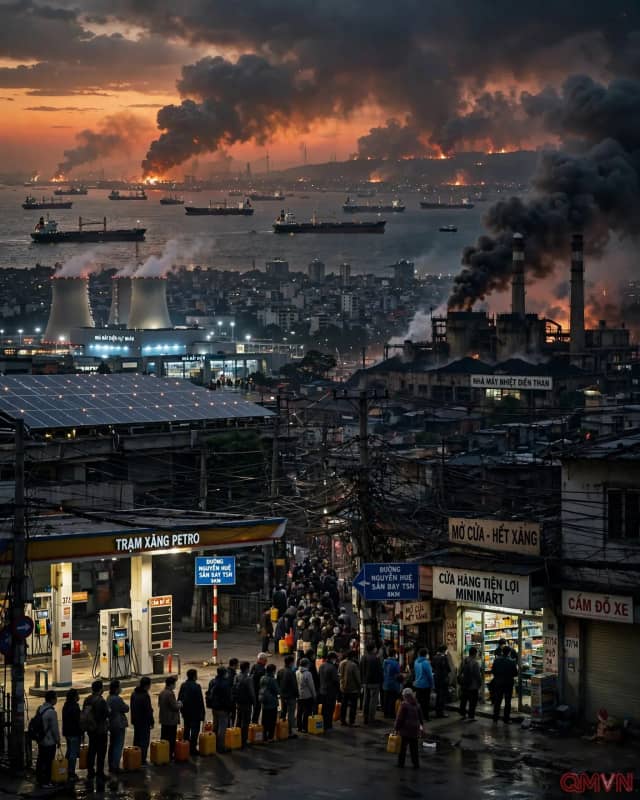
These are snapshots of futures markets, not the average price for the whole session or the price at a petrol station. The $111.92 Brent and $102.34 WTI figures were recorded at 2303 GMT, not at the close of November 2 trading. New developments affecting negotiations, ships or military operations could rapidly change the direction of prices.
Why the Strait of Hormuz matters far beyond the Gulf
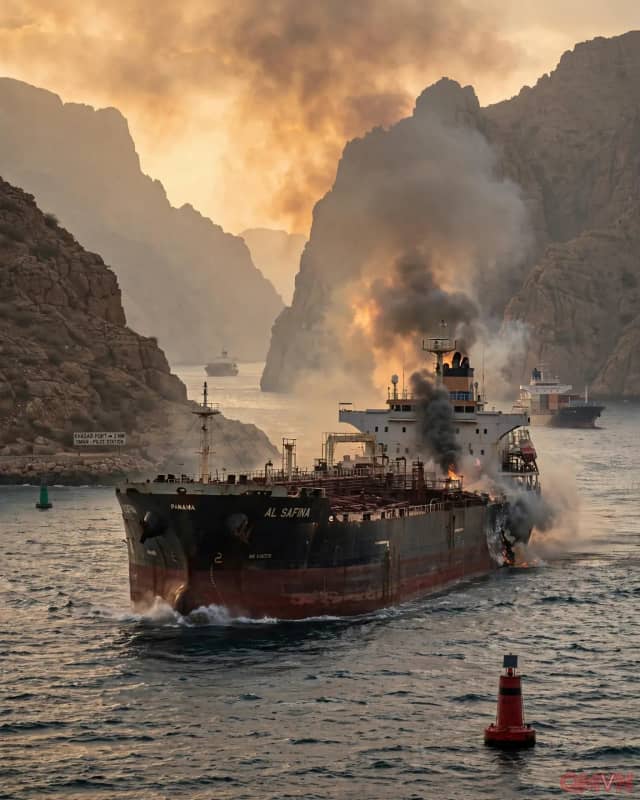
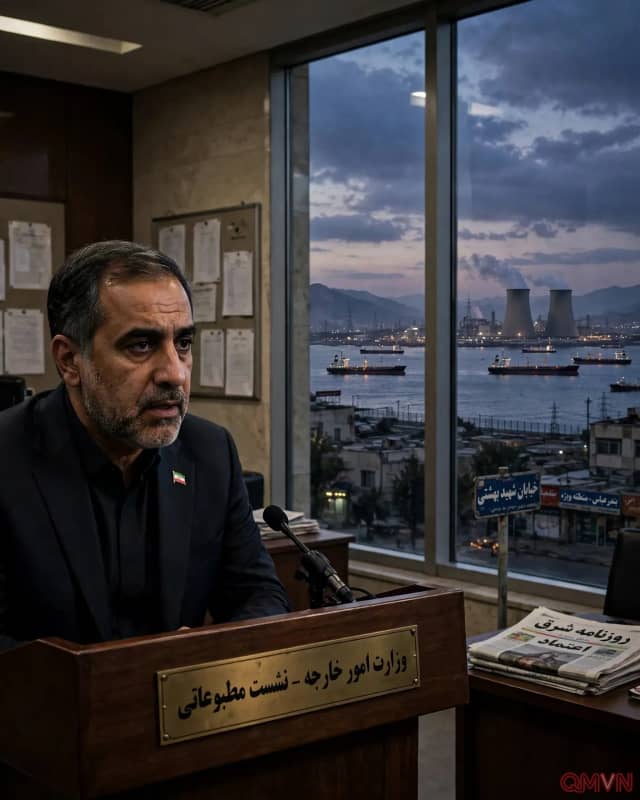
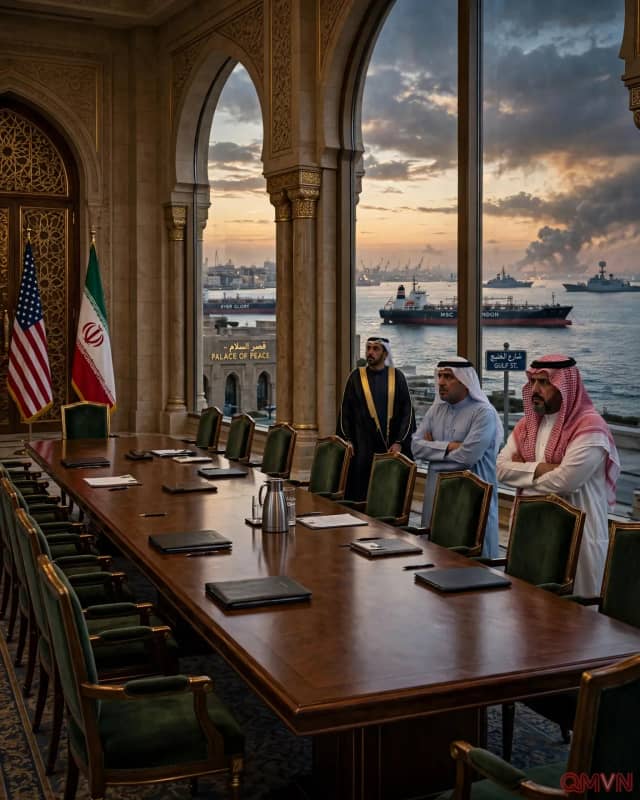
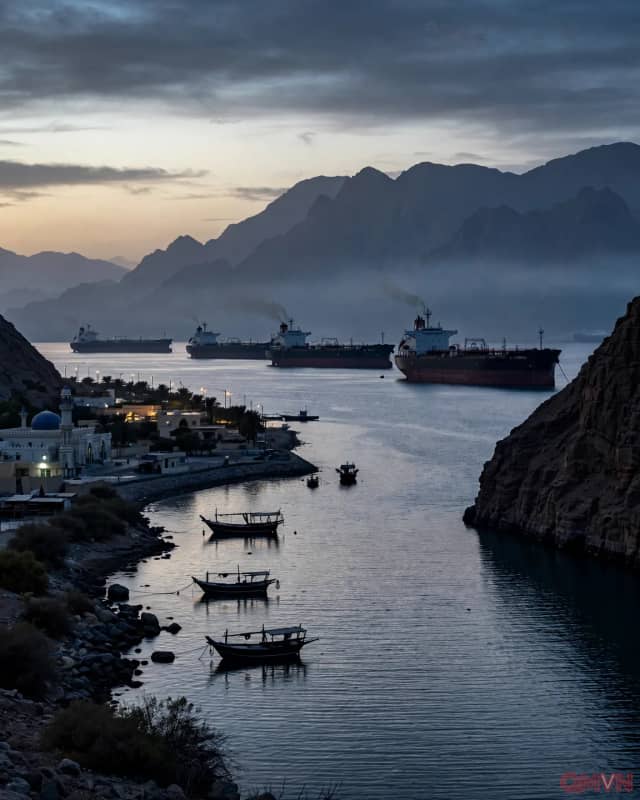
The key issue is not only the conference room in Doha but also the Strait of Hormuz, a vital passage linking the Persian Gulf with international energy markets. If ships cannot use the route predictably, freight charges, insurance costs and delivery times may all rise.