A third day of marches, from Mumbai to the capital
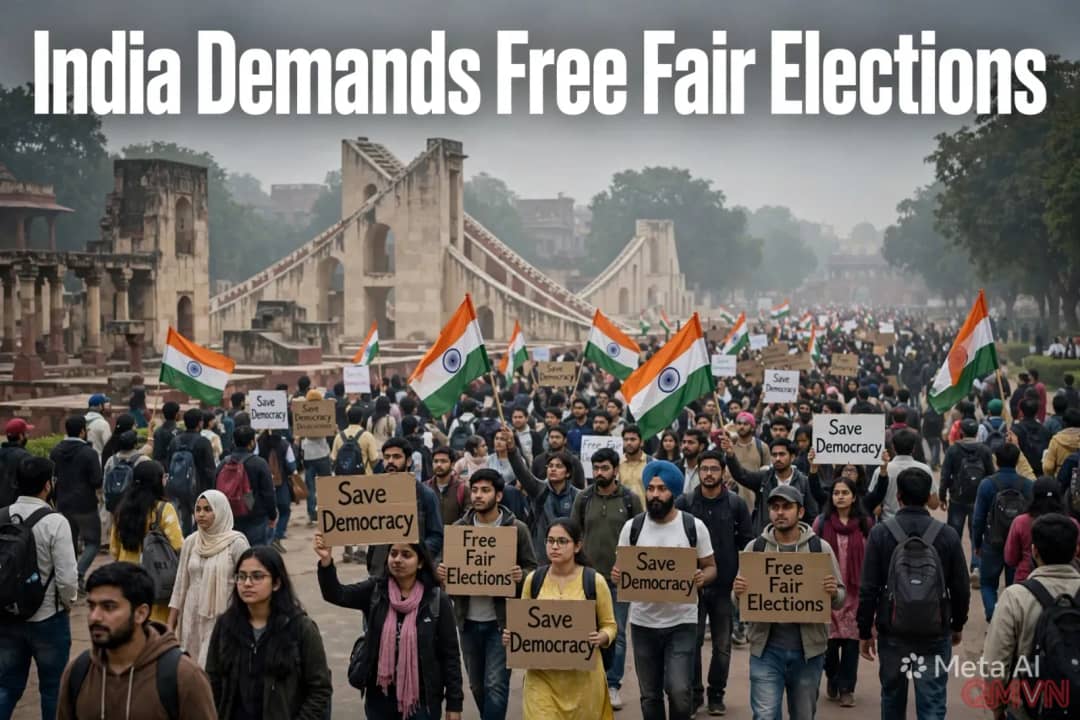
The scenes in Mumbai on Sunday carried an unmistakable message. Students, office workers and retirees walked side by side, flags raised, chanting for free and fair elections. The protests, which began on October 2, the birthday of Mahatma Gandhi, have spread from the financial capital to New Delhi and other cities, drawing opposition supporters, trade unions and first-time demonstrators alike.
“Mumbai is out on the streets again for free and fair elections!” — Abhijeet Dipke
Dipke, the founder of the Cockroach Janta Party, urged all Indians to come together, calling this a now-or-never moment. In the capital, the authorities' response on the first day was swift: according to Al Jazeera, metro stations leading to central Delhi were closed, internet services were suspended and hundreds of protesters were detained before they could gather.
Harassment allegations put the police under scrutiny
Tensions sharpened on October 3, when police detained scores of protesters around Jantar Mantar, the government-designated protest site in New Delhi. Afterwards, three female journalists alleged that officers had sexually harassed them. In a video shared on social media, one complainant said an officer had pushed her and touched her inappropriately.