A redeployment that drew attention
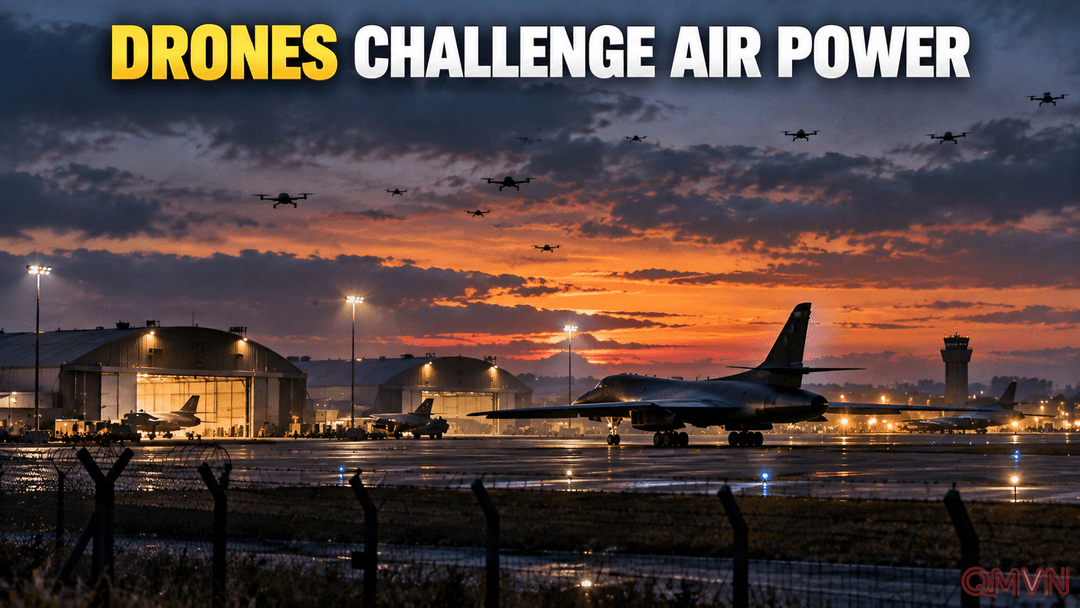
RAF Fairford in Gloucestershire has long supported US long-range bomber operations in Europe. According to reporting by The Washington Post and US officials familiar with the decision, roughly a dozen B-1 aircraft left after several intelligence streams suggested the possibility of drones targeting planes and personnel. Moving aircraft back to the United States creates additional travel demands should another deployment become necessary.
The relocation demonstrates a precautionary response, not proof that Iran carried out an attack at Fairford. President Donald Trump acknowledged a threat and portrayed the move as an effort to avoid unnecessarily exposing the aircraft. British officials, by contrast, said they had not identified a newly substantiated threat that could be publicly described. Those differences illustrate how allies may assess the same uncertainty differently.
Vans, arrests and missing evidence
In late September, British police examined three white vans near the air base following unusual reports. Five men were detained; officers found containers of petrol but no drones, explosives or weapons in the vehicles.