MAIN STORY
Why long-term lunar bases need dependable electricity
At the lunar south pole, sunlight falls unevenly across a landscape of craters and ridges. Permanently shadowed places attract scientific interest because they may contain water ice, yet these same areas are particularly difficult to power. Solar arrays can serve many missions, but cannot alone guarantee uninterrupted energy for heating, communications and scientific facilities through the long lunar night.
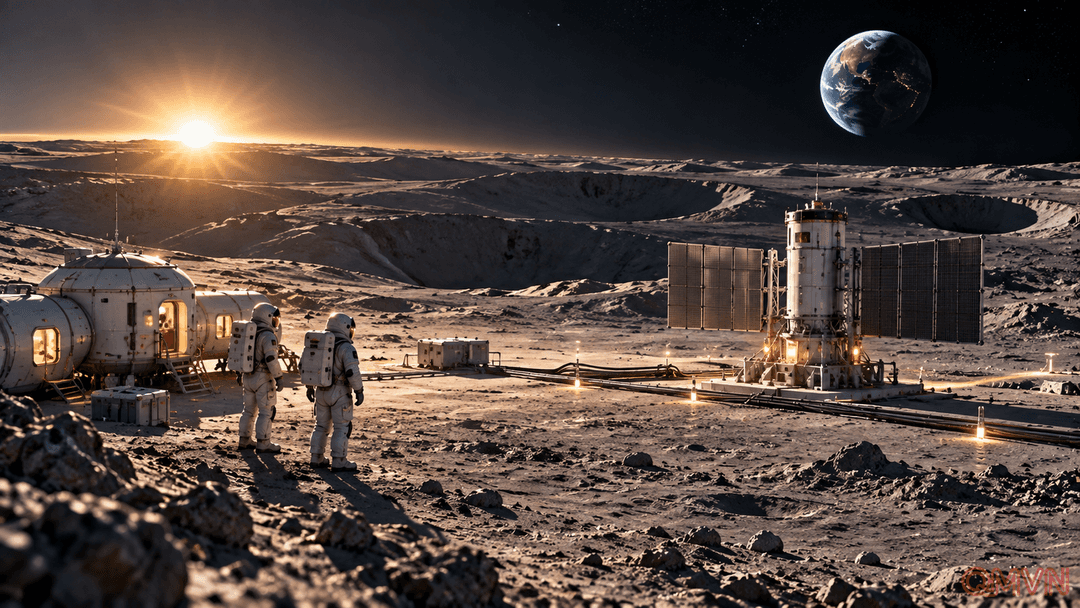
Small fission reactors could generate electricity regardless of daylight. NASA and the U.S. Department of Energy are working on technology intended to support Artemis operations and eventually Mars exploration. Russia is pursuing a lunar energy facility, reportedly including a system known as Selena, to serve the Chinese-led network of lunar research installations.
The stakes go beyond the number of kilowatts produced. Reliable electricity could keep rovers, life-support systems, water processing and instruments working continuously. Still, building an essential installation does not automatically confer ownership of surrounding land or resources. Access and legitimate safety boundaries deserve clear international rules.