MAIN ARTICLE
A security move under intense scrutiny
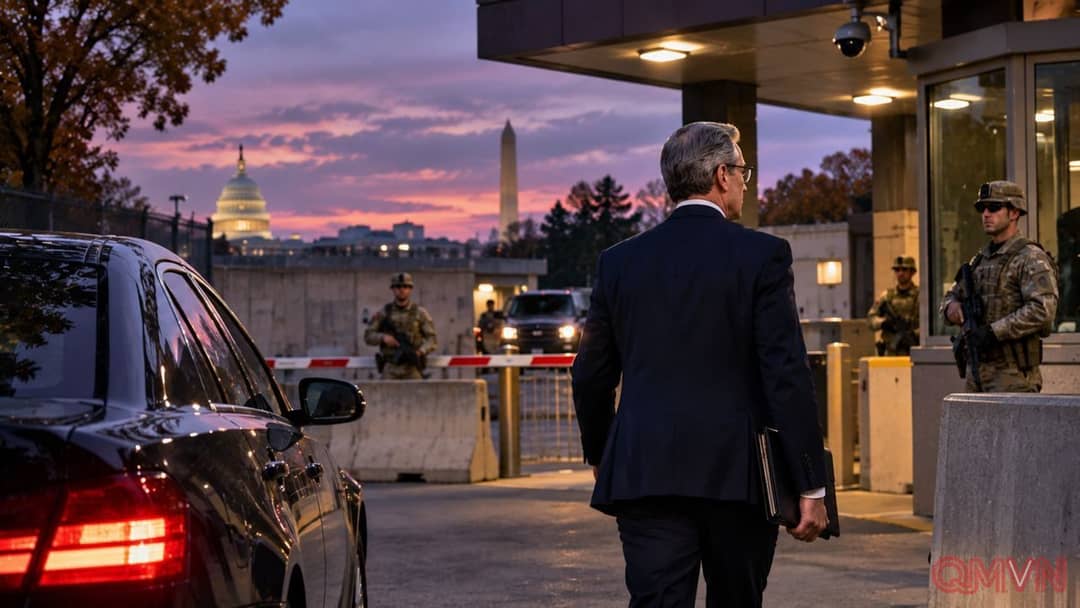
Two people familiar with the matter told Reuters that Bessent had recently left his Washington, D.C., residence for an American military installation. The New York Times broke the story, placing an unusual personal-security decision at the center of a wider foreign-policy dispute. Neither the precise location nor the arrangements surrounding the relocation were publicly detailed. The lack of detail can reflect protective considerations rather than a lack of concern.
A memorandum by a senior Trump administration intelligence official, reviewed by Reuters in late October, warned that alleged Iranian plots targeting American personnel and citizens had reached a more advanced stage. That assessment does not establish a publicly documented attack plan specifically against Bessent, its participants or its likely timing. Distinguishing a risk assessment from demonstrable wrongdoing is essential, especially when investigations depend on information that cannot immediately be released.
The Treasury Department has indicated that security threats will not deter its secretary from carrying out his duties. Iran has previously denied plotting attacks against officials and others on American soil. These positions leave important questions open for investigators: what intelligence can be independently corroborated, what threat capability exists and whether protective measures have prevented a credible attack. Reporting should preserve those uncertainties rather than assume the worst outcome is inevitable.