MAIN ARTICLE
A joke opens a question larger than television
On Jimmy Kimmel Live!, Jimmy Kimmel compared Trump’s popularity with deliberately absurd subjects, using 29% as a punchline. He also joked about the president’s United Nations speech and the explanations offered by political allies for his media restrictions. Seth Meyers made light of a White House event whose footage did not provide clear sound. These are performances of political satire, shaped to provoke laughter and criticism; their phrases cannot serve as neutral descriptions of every event.
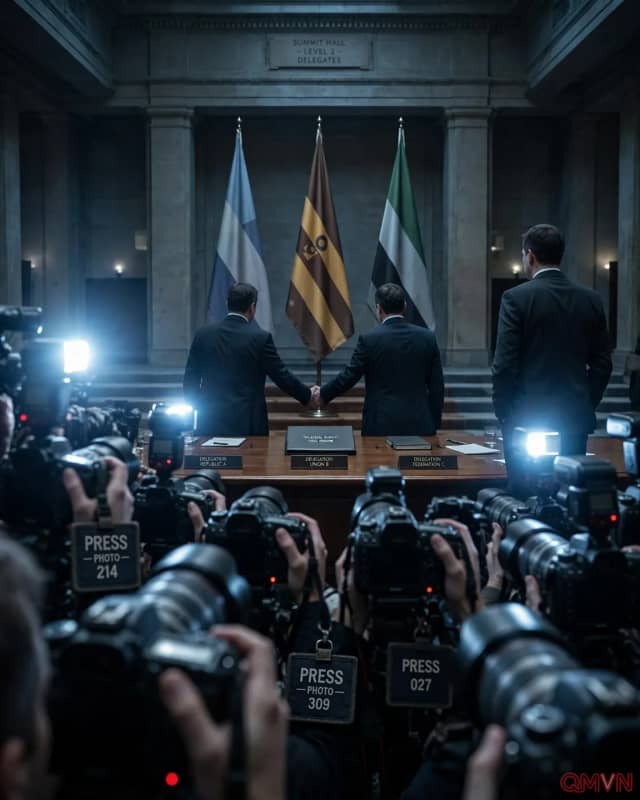
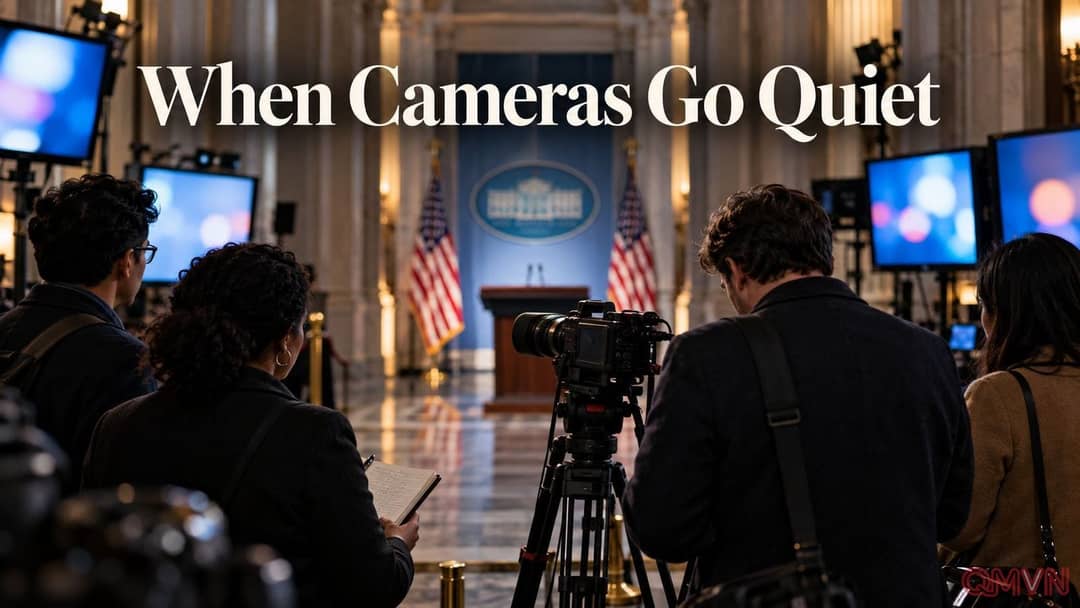
Viewers may enjoy the jokes or find them unfair. Either reaction still leaves a more practical issue on the table. When the administration and news organizations clash, what record can a resident outside Washington consult? Who can ask a follow-up question, compare an official statement with what happened in the room and share an independent account? Comedy can point toward that problem, but reporting must do the slower work of establishing it.
When independent footage is absent, the public loses
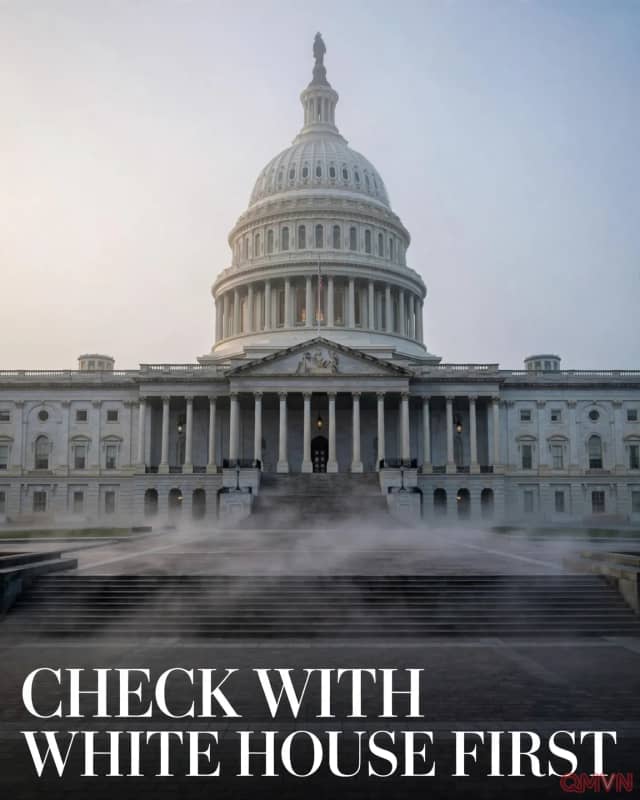
Reuters reported that Trump announced on September 18 he was banning CNN, MS NOW and Politico from the White House, accusing them of false reporting. The legal scope of such a ban matters.