The gap between expectation and the stopwatch
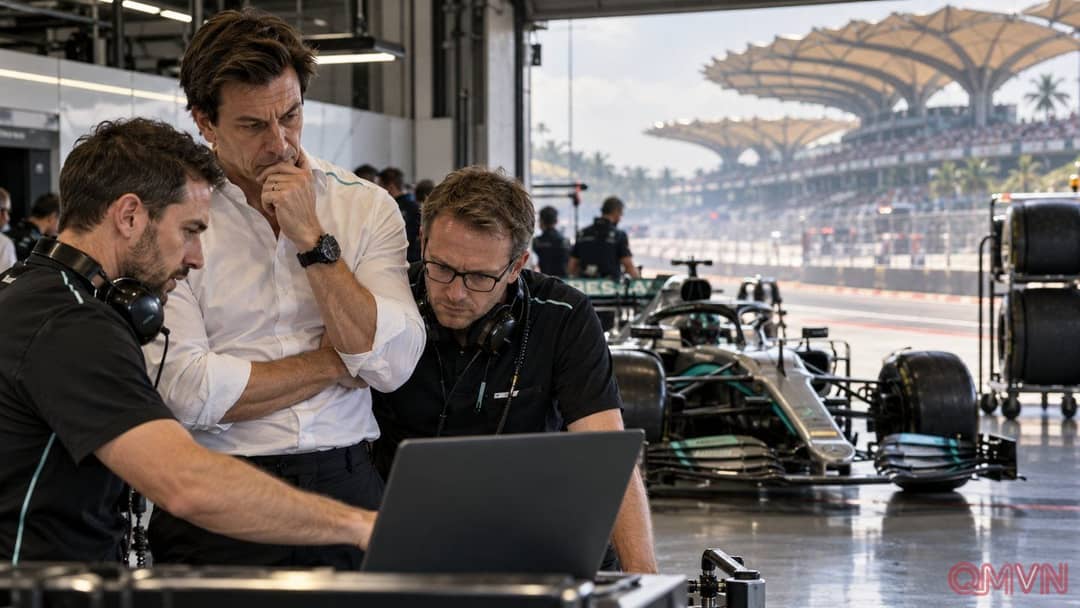
According to Reuters, Wolff said Mercedes had expected to gain around three-tenths of a second but instead went backwards by four or five tenths. This is the team principal's assessment against an anticipated improvement, not the direct gap between each Mercedes driver and the pole sitter. The distinction helps explain the concern. Beyond their positions, the team faced a car that had not responded in the expected direction after technical changes intended to improve it. That creates a question about understanding performance, rather than simply accepting a disappointing result.
We expected to be three-tenths (of a second) forward and we are four or five backwards.” Toto Wolff
There had been an encouraging signal when Antonelli topped final practice. Yet practice and qualifying performances emerge under different circumstances, so a morning classification cannot guarantee an afternoon result. Mercedes also reported that Antonelli needed an additional set of soft tyres in Q2 after a lap was deleted for exceeding track limits. That adds context to his decisive qualifying run without explaining the car's whole difficulty. Separating those threads is important: a session-specific constraint and a broader performance problem can coexist without having the same cause.