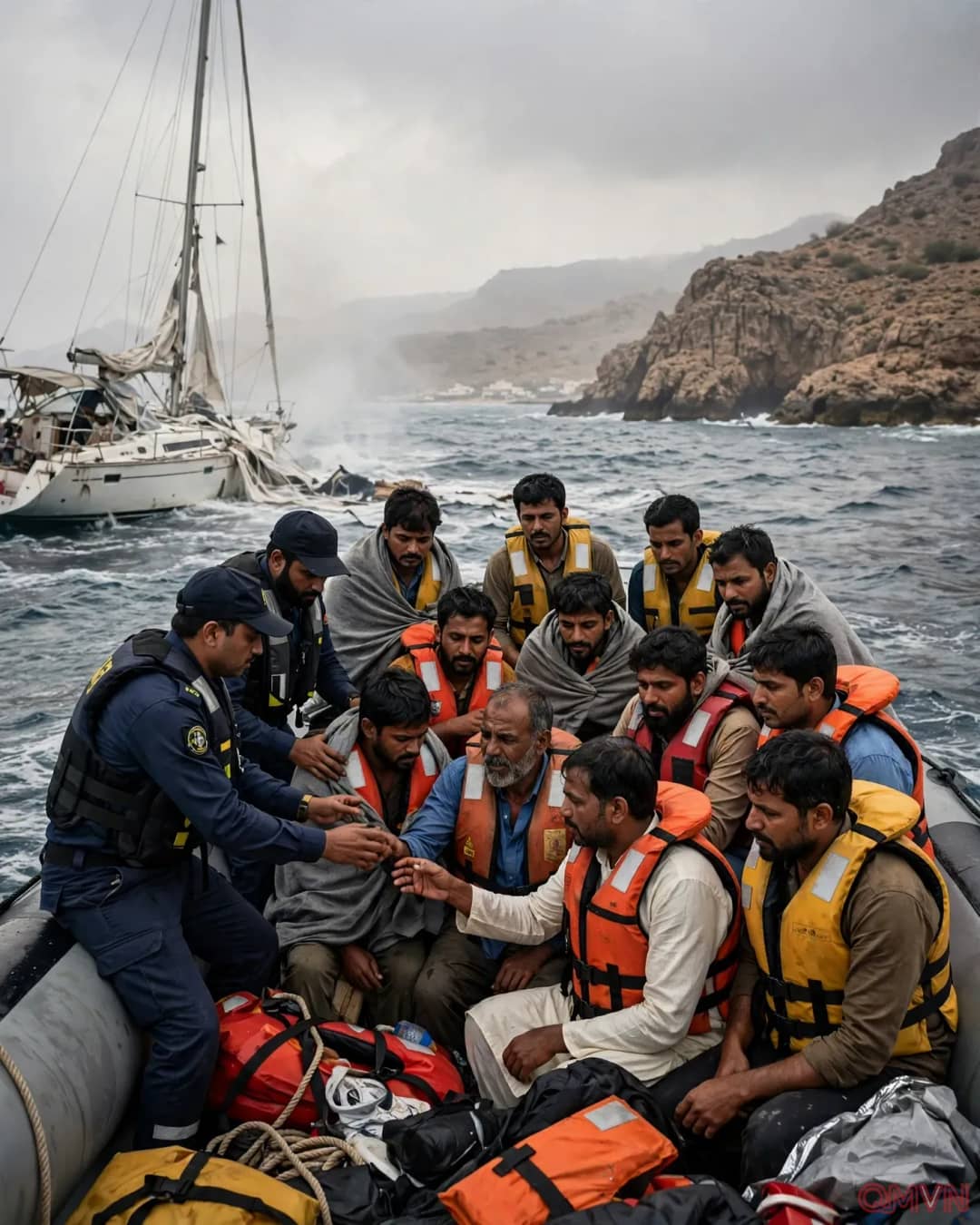
Good News After Hours of Anxiety
In a post on X, India’s embassy in Yemen confirmed that all 14 people were safe but gave no further details. Earlier, the embassy had said precise information on the group was not available and that it was trying to establish the circumstances and facts of the incident.
Reports suggest that all 14 Indian nationals are safe and located around Hodeidah in Yemen. We will continue to work for ensuring their well being.
For families in India, the hours spent waiting for news felt endless. Even so, many questions remain unanswered: how the boat came under attack, who was responsible, and when the group will be able to return home.
Conflicting Accusations
On Thursday, the Houthis said they were rescuing the boat carrying 14 Indians that had been attacked off Jabal Zuqar island near the Bab el-Mandeb strait, and blamed Saudi Arabia. Saudi authorities did not respond to a Reuters request for comment. So far, no independent source has verified who was behind the attack.
Jabal Zuqar is a Yemeni island in the middle of the Red Sea, not far from the vital shipping lane connecting Asia and Europe. That location makes the surrounding waters a meeting point between civilian maritime traffic and escalating military operations.
Indian Seafarers in the Line of Fire
According to government data, India is the world’s third-largest supplier of seafarers, with more than 300,000 sailors working across global fleets. Since the Middle East conflict began in February, more than a dozen Indian seafarers have been killed and three are missing in the Gulf and the wider West Asian region. Seafarers face multiple risks:
- Missiles and drones targeting vessels on shipping routes.
- The danger of being stranded or losing contact in conflict zones.
- Difficulties in verifying information and organising timely rescues.
It is not only at sea: Indian nationals in Saudi Arabia have also been affected, with one dying of injuries from the October 10 missile attack on King Khalid International Airport in Riyadh. On Thursday, India’s foreign ministry condemned the attacks on civilian and energy infrastructure in Saudi Arabia, calling them “unacceptable”.
Bab el-Mandeb – the World’s New Flashpoint
Fighting between the Houthis and the Saudi-led coalition, which backs Yemen’s internationally recognised government, has raged since the group pushed towards Bab el-Mandeb. In early October, government forces claimed control of the strait, the Dhubab area and the port of Mokha, which the Houthis denied. In response, the Houthis have repeatedly struck Saudi airports and oil facilities; the October 10 attack on Riyadh’s airport killed more than a dozen people, the deadliest in a Gulf Arab nation since the Iran war began.
Bab el-Mandeb is one of the world’s most important maritime chokepoints and has become even more vital as the Strait of Hormuz is threatened by Iranian attacks. The story of the 14 Indians is a reminder that behind strategic maps and oil prices are ordinary people earning their living on increasingly perilous seas.