MAIN ARTICLE
Battlefield superiority is not political success
The United States has formidable surveillance systems, long-range strike assets and an extraordinary capacity to coordinate military operations. Those advantages can disable facilities or disrupt activity for substantial periods. Yet the success of a campaign depends on its political objective, not simply on whether bombs hit their targets. If the intended result is to end a nuclear program, compel new negotiating terms or prevent retaliation, physical destruction is only one part of the equation.
History offers many cases in which a state absorbed severe losses but continued fighting, dispersed its capabilities or changed tactics. Strikes can also strengthen hardliners who argue that compromise invites vulnerability. This does not make military force irrelevant. It means an operational result should not be confused with a strategic settlement, especially when the adversary retains choices beyond the battlefield.
Scientific expertise survives damaged buildings
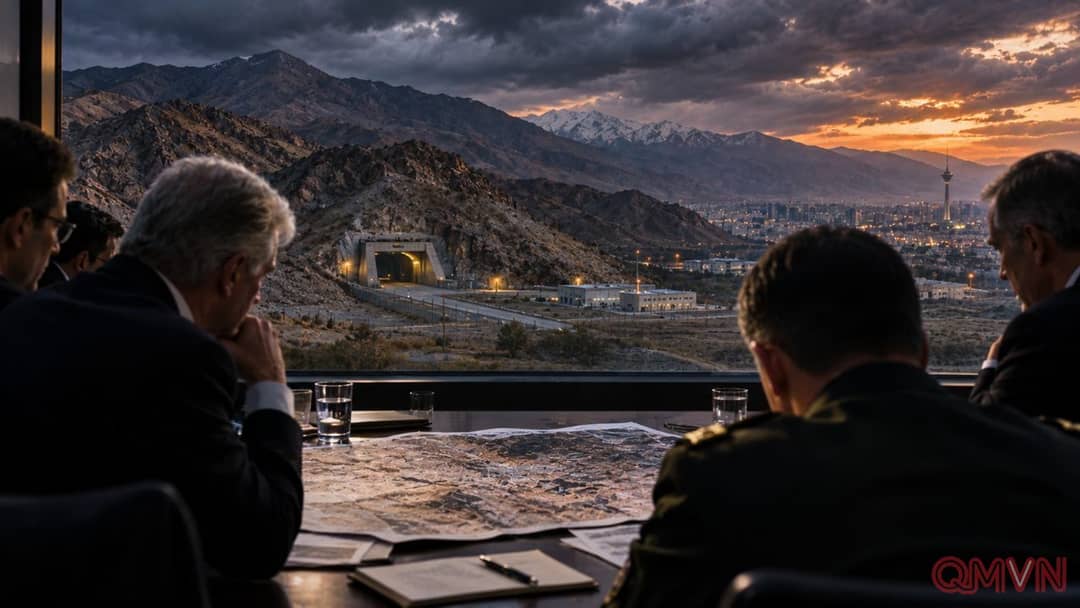
A nuclear program includes equipment and industrial installations, but also accumulated experience, technical documents, specialized personnel and research networks. Underground sites may be damaged while much of that expertise survives.