MAIN CONTENT
When power-hungry machines learn to give way
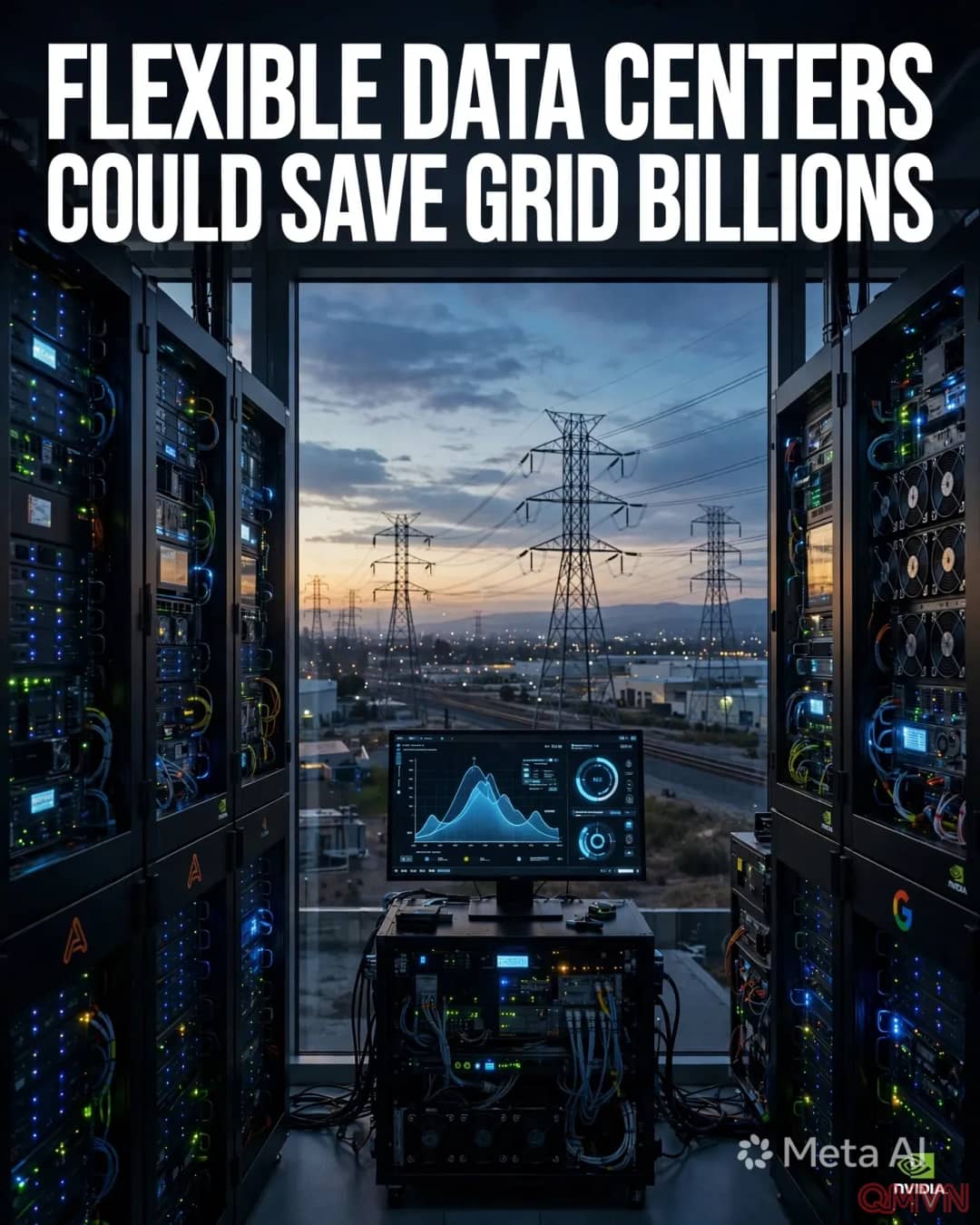
For decades, data centers were treated as a "flat" load: running around the clock, barely changing, with the grid built large enough to serve their peak. The AI boom has made that assumption expensive. A single new campus can require as much electricity as a city, while upgrading lines and adding generation usually takes years.
Demand response turns that picture around. At peak hours, or when the system runs into trouble, a data center temporarily lowers its draw, moves less urgent computing jobs to another time, or switches to battery storage and on-site generation. Lauren Shwisberg, a principal at the energy think tank RMI, told Reuters it is a tool that states, federal agencies and market operators across the United States are increasingly exploring.
The numbers forcing the power sector to think again
According to the Electric Power Research Institute (EPRI), electricity use by US data centers could climb from roughly 177 to 192 terawatt-hours in 2024 to between 383 and 793 terawatt-hours by 2030. Put differently, in the high scenario demand would quadruple in just six years. Against that backdrop, a few percentage points of flexibility carry enormous value: