MAIN ARTICLE
A tariff shock redraws the order book
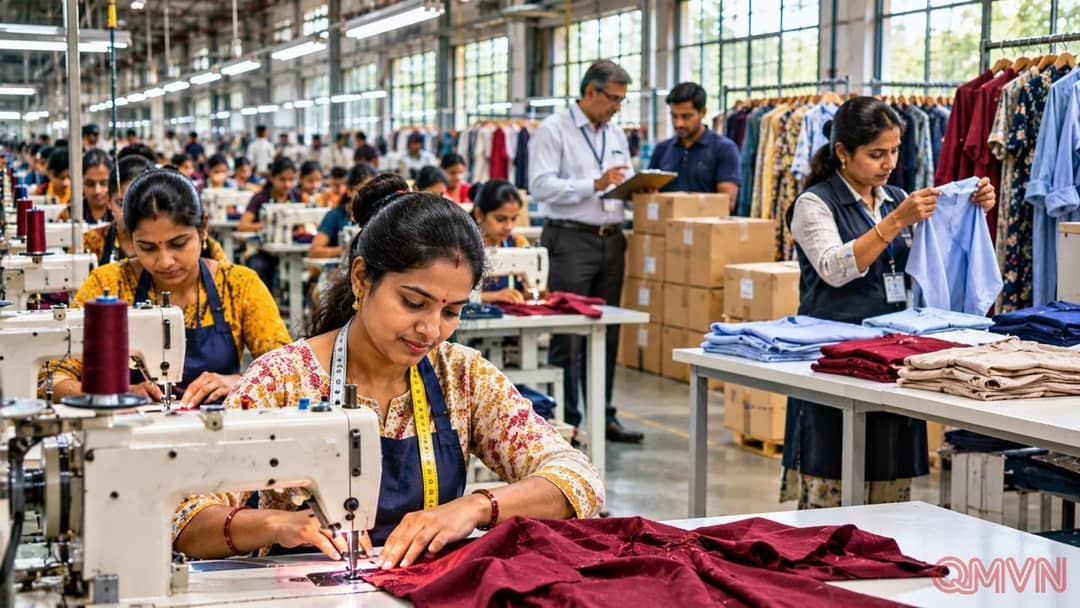
Inside Orient Craft's production facilities in Ranchi, the daily work of stitching dresses, shirts and children's wear continues. What has shifted is the destination of the garments. British retailers Next and Marks & Spencer now loom larger than American chains in the company's export mix. Founder Sudhir Dhingra told Reuters that the United States accounted for 84% of sales before the tariff upheaval, but less than 10% today. That is more than a sales decision: it reveals a fundamental reassessment of how much political risk an apparel maker can afford to concentrate in one market.
The rupture followed tariff announcements starting in April 2025, with duties on some Indian products eventually reaching 50%. Dhingra said certain American buyers asked suppliers to absorb 25% of a tariff even though manufacturers' profit margins were below 10%. Such a demand could overwhelm the economics of an otherwise sound order. Although duties have since eased and an India–US trade understanding remains possible, companies have learned that uncertainty itself carries a cost. The promise of a future agreement may not be sufficient to justify rebuilding the old dependence.