MAIN CONTENT
How private frustration becomes a public voice
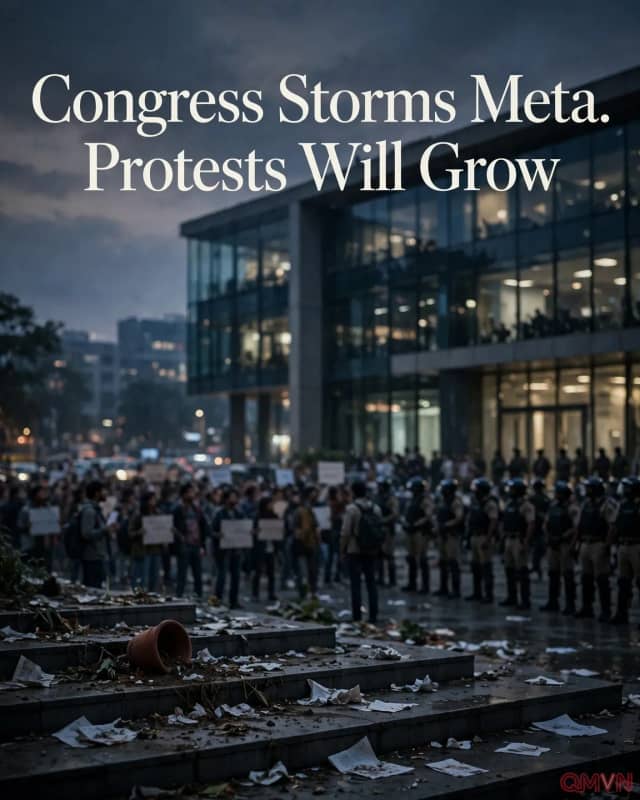
A protest rarely begins with an abstract theory. Behind a placard might stand a student worried about opportunities, a worker denied protection, or a citizen who fears being excluded from political life. When such experiences meet in public, isolated anxieties acquire a shared vocabulary of fairness and recognition.
Manoj Kumar Jha reflects that movements can grow from a handful of participants into something remarkable, yet courage alone cannot guarantee endurance. The harder achievement is building relationships across campaigns, so that people do not defend justice only when their own immediate interests are threatened.
Principles that cannot be traded away
Solidarity needs ethical boundaries. Patriarchy, caste hierarchy and prejudice should not be excused as harmless differences of opinion.