MAIN CONTENT
Exceptional rain puts Niigata slopes under pressure
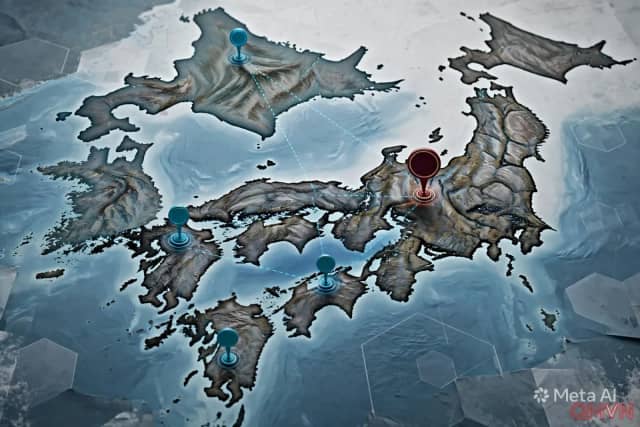
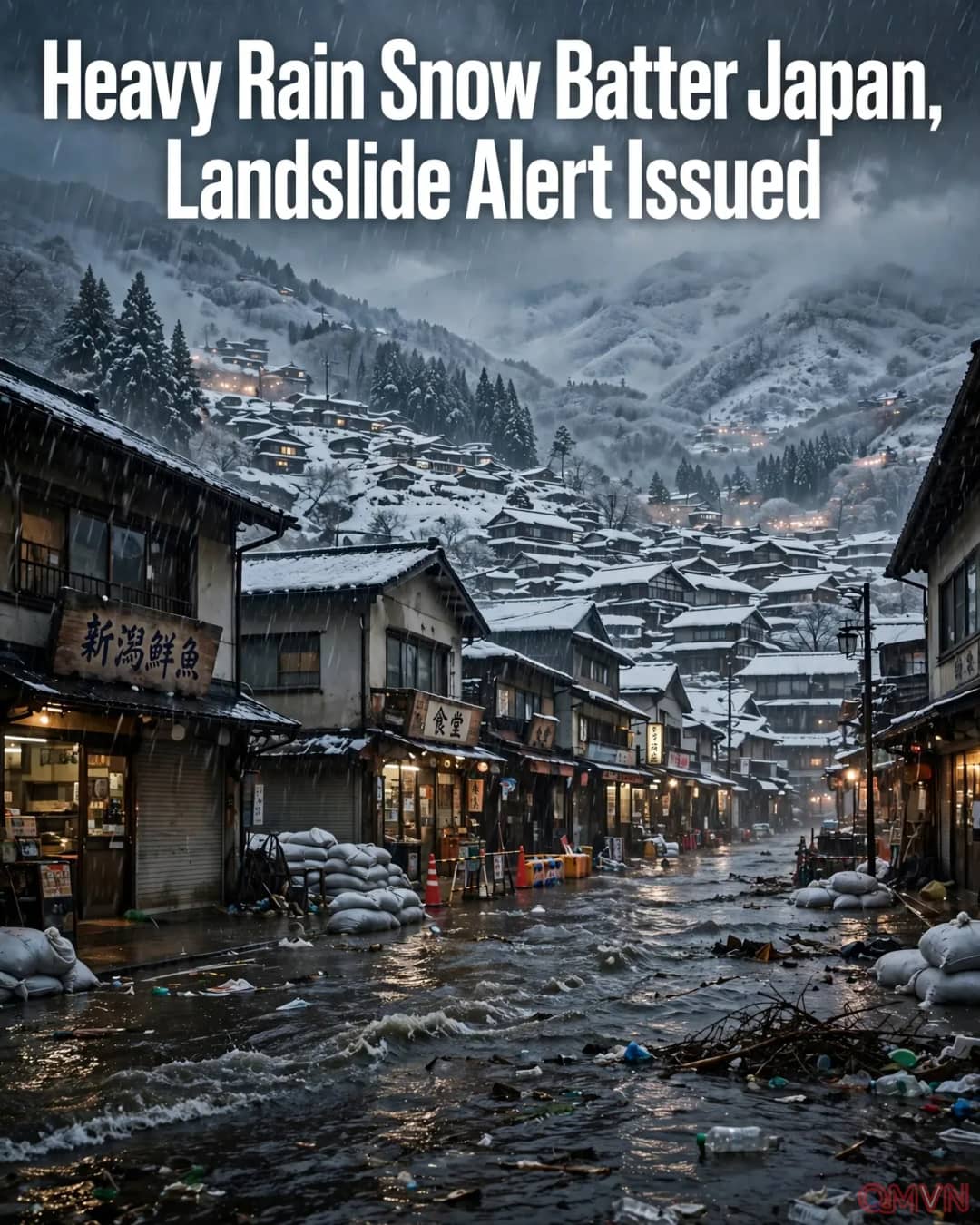
In Niigata, a winter-pattern weather system brought sustained precipitation from Friday into Saturday. According to NHK's November 21 report, the Miyayorikami district of Kamo registered 190.5 millimeters in 48 hours through 5 a.m. Saturday, the area's highest November figure. Muroya in Aga recorded 180 millimeters, while Kashiwazaki registered 175 millimeters. These measurements describe rainfall over an extended period, not a single short cloudburst; the accumulation matters because rain gradually infiltrates soil and can weaken already unstable ground.
The report said Level 4 landslide alerts had been issued for several locations. In Japan's five-level disaster information system, Level 4 indicates that people in hazardous areas should take urgent evacuation action under relevant local guidance. The Japan Meteorological Agency's warning framework and Niigata's disaster information services give communities location-specific information, but conditions can differ sharply even between nearby valleys. Residents near steep terrain, streams or previously damaged slopes have particular reason to monitor official notices.
Snow builds while the rain continues
The same broad seasonal shift delivered snow to colder elevations. At 11 a.m. Saturday, NHK reported a snow depth of 51 centimeters in Nishiwaga, Iwate Prefecture, and 48 centimeters in Fukagawa, Hokkaido.
Unlike a forecast of new snowfall, these figures measure snow already lying on the ground. They give a practical picture of conditions that travelers and local services may face, particularly where routes climb through mountain passes or cross exposed countryside.
The outlook in the report called for up to 40 centimeters of additional snowfall in parts of Tohoku and Gifu over the 24 hours ending Sunday noon, and up to 20 centimeters in Hokkaido and Nagano. Niigata could receive another 80 millimeters of rain in the 24 hours through Sunday morning. Those were forecasts issued for a defined period, not proof that the totals ultimately occurred. Rain, snowfall, freezing temperatures and changes in elevation can quickly alter road surfaces from wet to slushy or icy.
Why road safety and evacuation advice matter
Heavy rain and snow create different emergency decisions. For people living below steep slopes, the priority is understanding whether their homes or usual roads are in a designated landslide hazard zone and acting on evacuation guidance early enough. For motorists, winter tires and appropriate tire chains help manage traction but cannot make a closed, flooded or dangerously icy road safe. Japan's authorities specifically urged travelers to check forecasts before leaving and carry suitable winter equipment.
Preparation is especially important when weather changes during a trip. A journey that begins in a rainy coastal city may encounter deep snow inland. Drivers should check road restrictions and avoid assuming that a familiar route will remain passable; rail and bus passengers should confirm operator notices. When danger is immediate, following local government instructions takes precedence over an itinerary. Such measures are ordinary precautions, not evidence that every affected district experienced serious damage.
A local warning with broader lessons
The figures also show why a regional forecast cannot be reduced to one dramatic headline. Niigata's record was a November rainfall observation for a particular site, rather than a nationwide rainfall record. The snow measurements came from separate communities and were recorded at a specific hour. Keeping these distinctions clear helps readers understand both the severity and the limits of the available information, without treating all of Japan as equally exposed.
As of the November 21 bulletin, the main confirmed developments were the reported measurements, landslide danger alerts and short-term forecasts. The source did not establish a nationwide casualty count or a complete accounting of transport disruption. The most useful next step for residents is to consult updated Japan Meteorological Agency warnings, their prefecture's hazard information and local authorities. In a country where steep geography and changing seasons frequently intersect, precise, timely information is a form of preparedness.