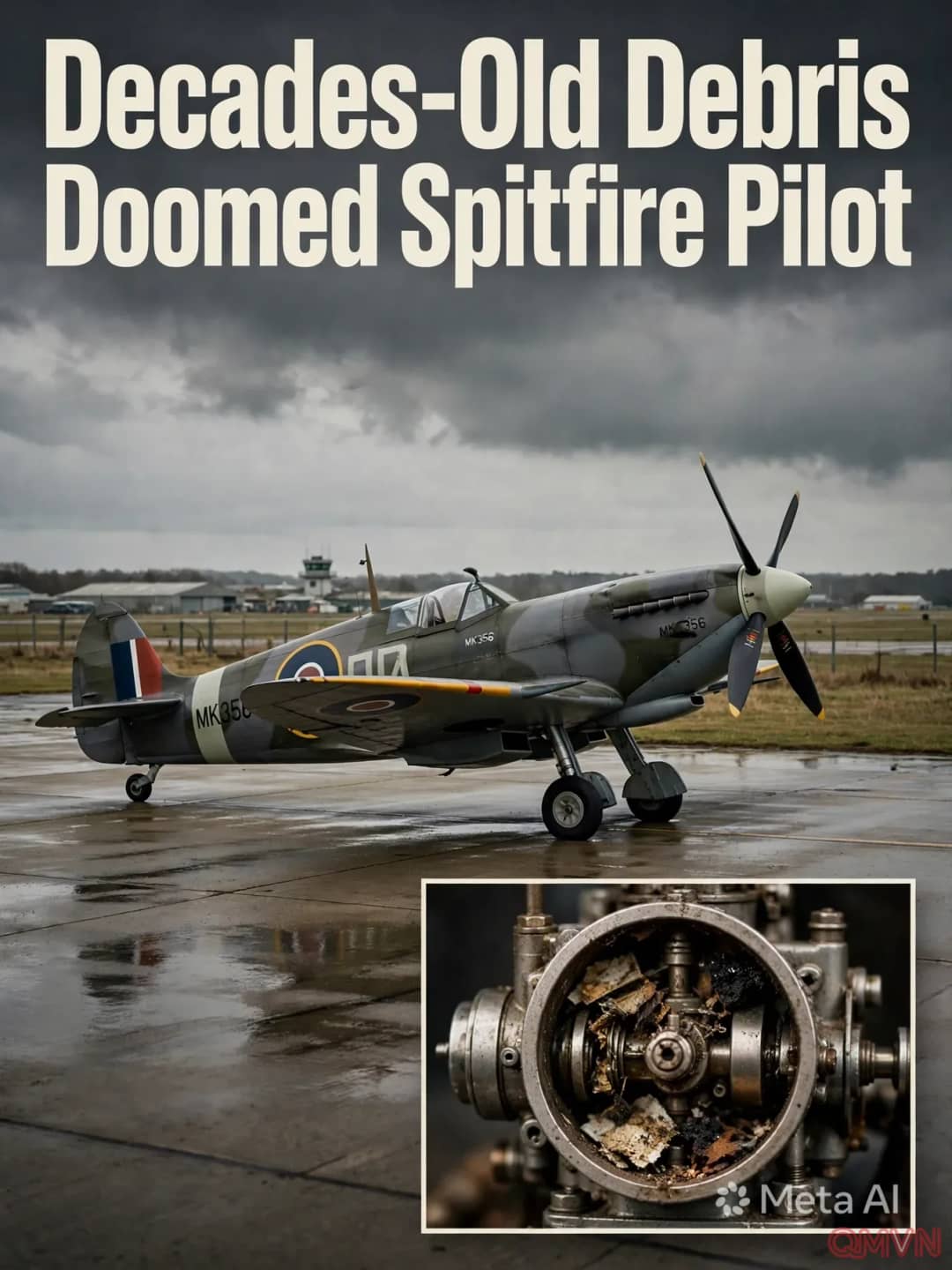
What the inquiry found
The crash happened at 1:16pm during take-off. The aircraft, Spitfire MK356, was built in early 1944 at the Castle Bromwich Aircraft Factory in Birmingham and had been preserved by the Battle of Britain Memorial Flight. Members of the service inquiry panel noted that engine performance data and witness statements were consistent with an aircraft experiencing fuel starvation.
“The panel concluded that debris within the carburettor was very likely to be the causal factor that prevented the engine from producing the thrust required to maintain flight.” — Defence Safety Authority service inquiry
According to the report, the debris very likely partially blocked the carburettor's lean metering jet. That reduced fuel flow, creating an overly lean mixture, cutting engine power and thrust, and preventing the aircraft from maintaining the performance needed for safe flight. Chemical analysis indicated that the material had been present inside the carburettor for decades, a striking finding for an aircraft subject to careful maintenance.
Survivability and recommendations
The inquiry also examined why the crash proved fatal. It found that the harness and pilot restraint structures were critical to the pilot's chances of survival and were very likely an aggravating factor in the accident.