What the corporate promise contains
The “White House Accord on Super Intelligence,” announced in Washington on September 29, brought together Google, Nvidia, Anthropic, OpenAI, Meta and xAI. It calls on each firm to monitor model capabilities, establish internal teams that detect problems, work with independent outside evaluators and put board-level oversight in place. Participants also plan to meet periodically to develop shared safety practices.
Crucially, the document is not legislation or an independently enforced regulatory system. Its voluntary nature makes implementation central: auditors need meaningful access, failures must be identified promptly and companies must demonstrate that corrections have occurred. The administration presents this framework as compatible with fast innovation, while critics question whether self-policing provides sufficient public accountability.
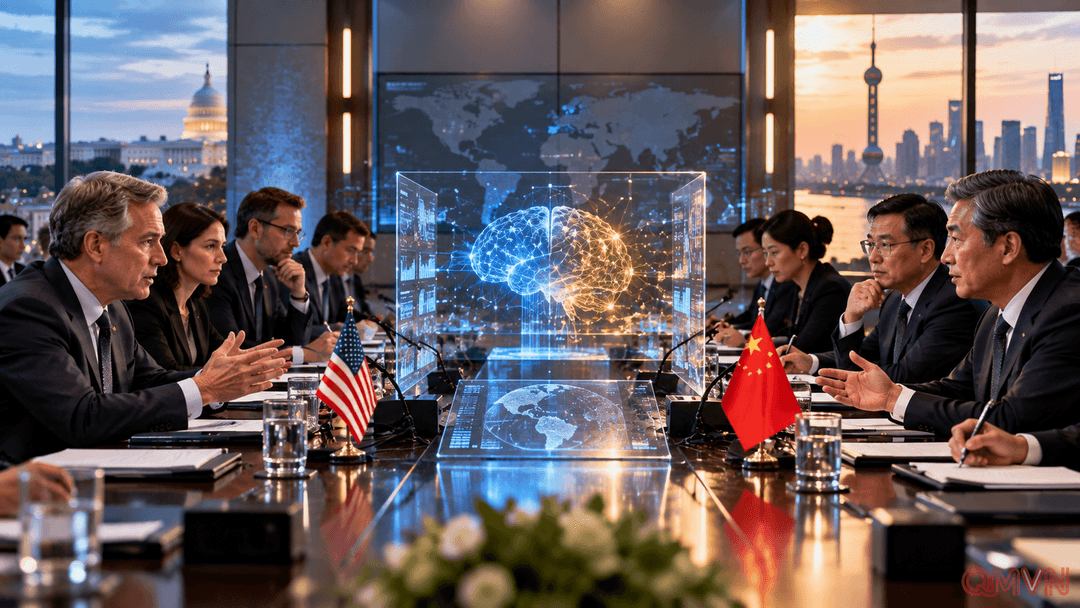
Rivalry does not eliminate every communication channel
At the event, Trump opposed extensive cooperation with China on AI safeguards, arguing that sharing sensitive information could dilute America’s competitive advantage. His position distinguishes narrowly focused incident coordination from joint work involving models, research methods or strategic technical capabilities.