The parliamentary paradox and a remarkable political resurrection
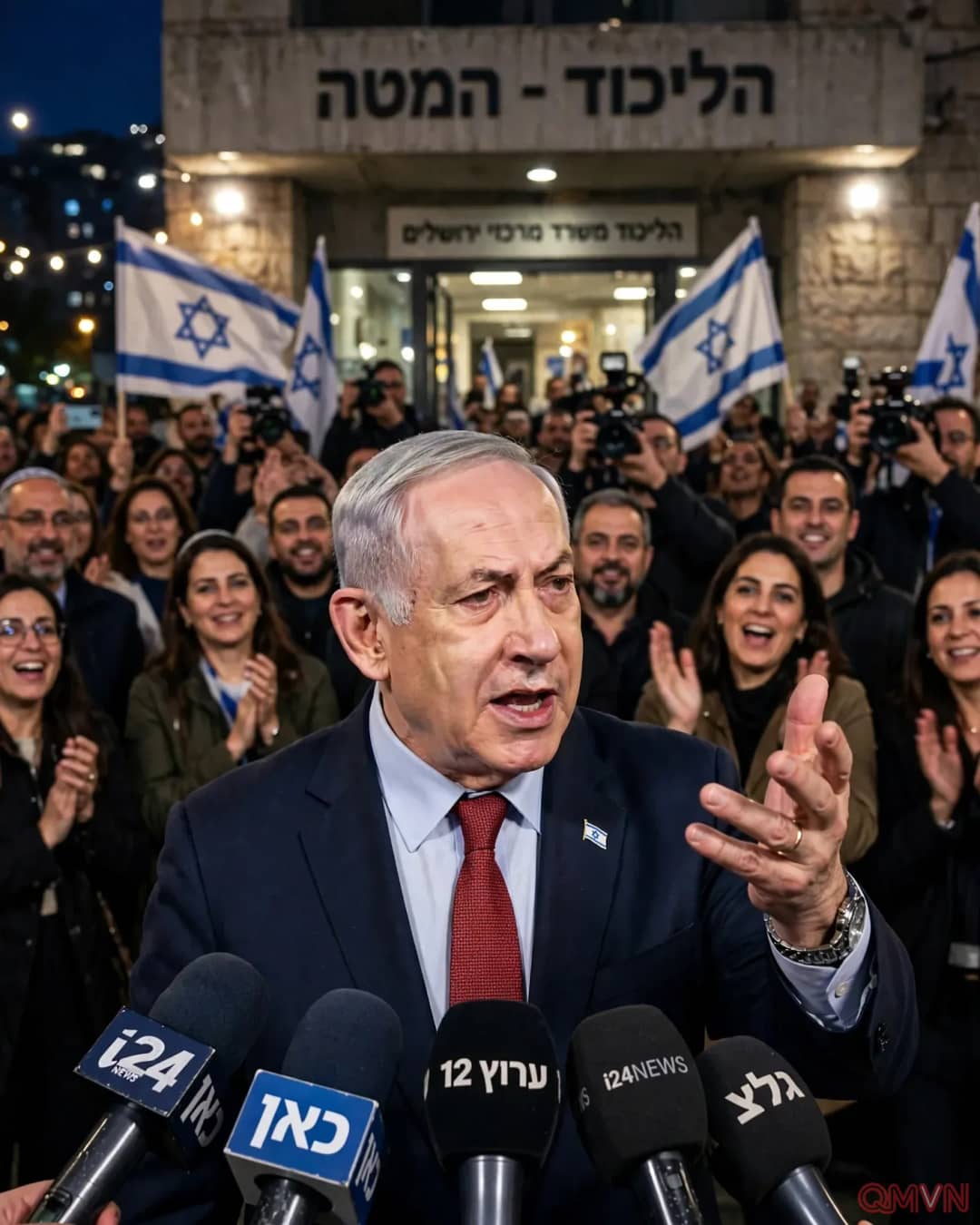
With nearly 86% of ballots officially tabulated across Israel, the election confirmed a deeply polarized electorate that paradoxically leaves Benjamin Netanyahu holding the primary strategic cards. His nationalist, ultra-Orthodox, and right-wing coalition is projected to secure 53 seats in the 120-member Knesset, maintaining a decisive advantage over the 48 seats allocated to the center-right opposition bloc led by Gadi Eisenkot. While technically losing a stand-alone majority, Netanyahu's emergence at the helm of the single largest legislative faction represents an astonishing political comeback.
“Maybe it's hard to say it or to see it, but he's the winner; he won by not losing, he managed to survive.” — Danny Citrinowicz
Retaining the executive apparatus as caretaker prime minister affords Netanyahu substantial leverage over coalition dynamics while the state presidency deliberates nominations. Despite the lingering domestic trauma of pending judicial corruption hearings and fierce public demands for an independent inquiry into the intelligence lapses of October 7, 2023, the core Jewish electorate mobilized to reaffirm confidence in his steadfast security doctrine.