MAIN ARTICLE
When consensus becomes a constraint
UN climate conferences normally adopt decisions by consensus, a practice intended to give agreements broad legitimacy. Yet the same practice can slow decisions when a handful of parties oppose the final wording. The Earth Negotiations Bulletin’s November 18 account shows that voting rules remained unresolved: negotiators continued applying draft procedural rules except for Rule 42, the provision dealing with voting.
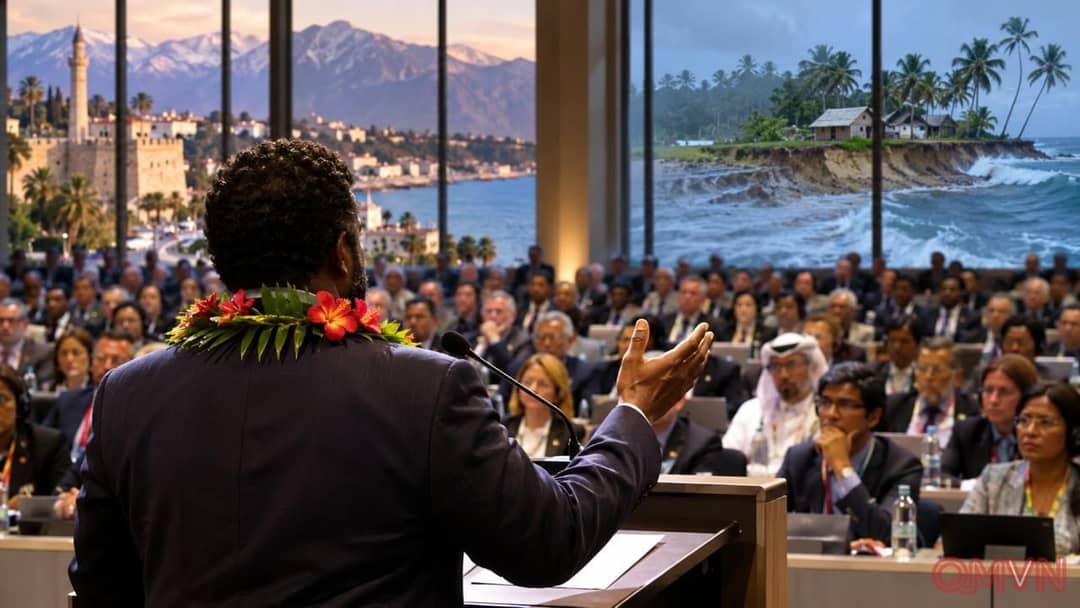
Regenvanu singled out the Arab group, the Like-Minded Developing Countries (LMDC) grouping and Russia in his criticism. These were the Vanuatu minister’s characterizations, not a formally established finding that the countries named caused every impasse. Panama has also advocated examining majority voting as a way around deadlock. Any procedural change, however, would raise questions about whether smaller or poorer states could be outvoted on issues essential to them.
The distance between promises and resources
The stalemate concerns substance as well as procedure. Vulnerable countries seek reliable support for adaptation and loss and damage, alongside clearer movement away from fossil fuels.