A Call for a "Strategic" Approach
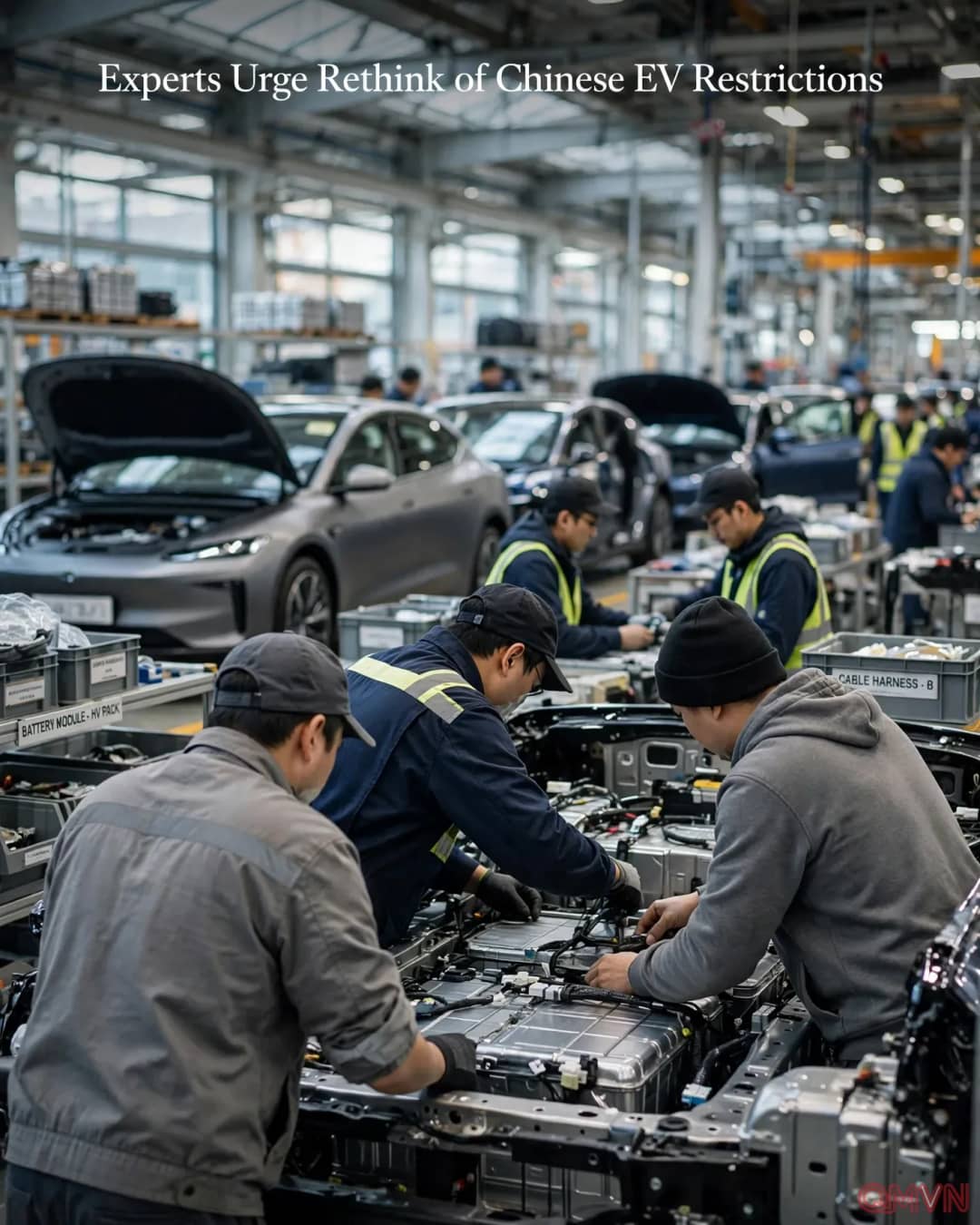
Speaking at a discussion on Tuesday, John Helveston suggested that instead of blanket bans, the US should identify the best opportunities and allow automakers to pursue licensing agreements and other forms of cooperation, with targeted safeguards.
"We need to consider strategic partnerships." — John Helveston
Sourabh Gupta, resident senior fellow at the Institute for China-America Studies, described protectionism in a globally scaled and competitive market as an act of severe self-harm. According to the South China Morning Post, discussions on Chinese investment, including a deal involving batteries, failed to produce results during Xi Jinping's visit to Washington, while the US-China Board of Investment, an outcome of the May summit in Beijing, has made no progress.
A Wall of Tariffs and Rules
Chinese cars currently face tariffs of more than 120% to enter the US, along with a connected-vehicle rule restricting China-linked software and hardware to address data security risks. Bipartisan lawmakers have also introduced several House and Senate bills to further tighten restrictions on China-linked electric vehicles.