MAIN CONTENT
A currency moving with the crowd
Trading on Tuesday reflected how closely financial markets were watching the polling stations. The main signals were:
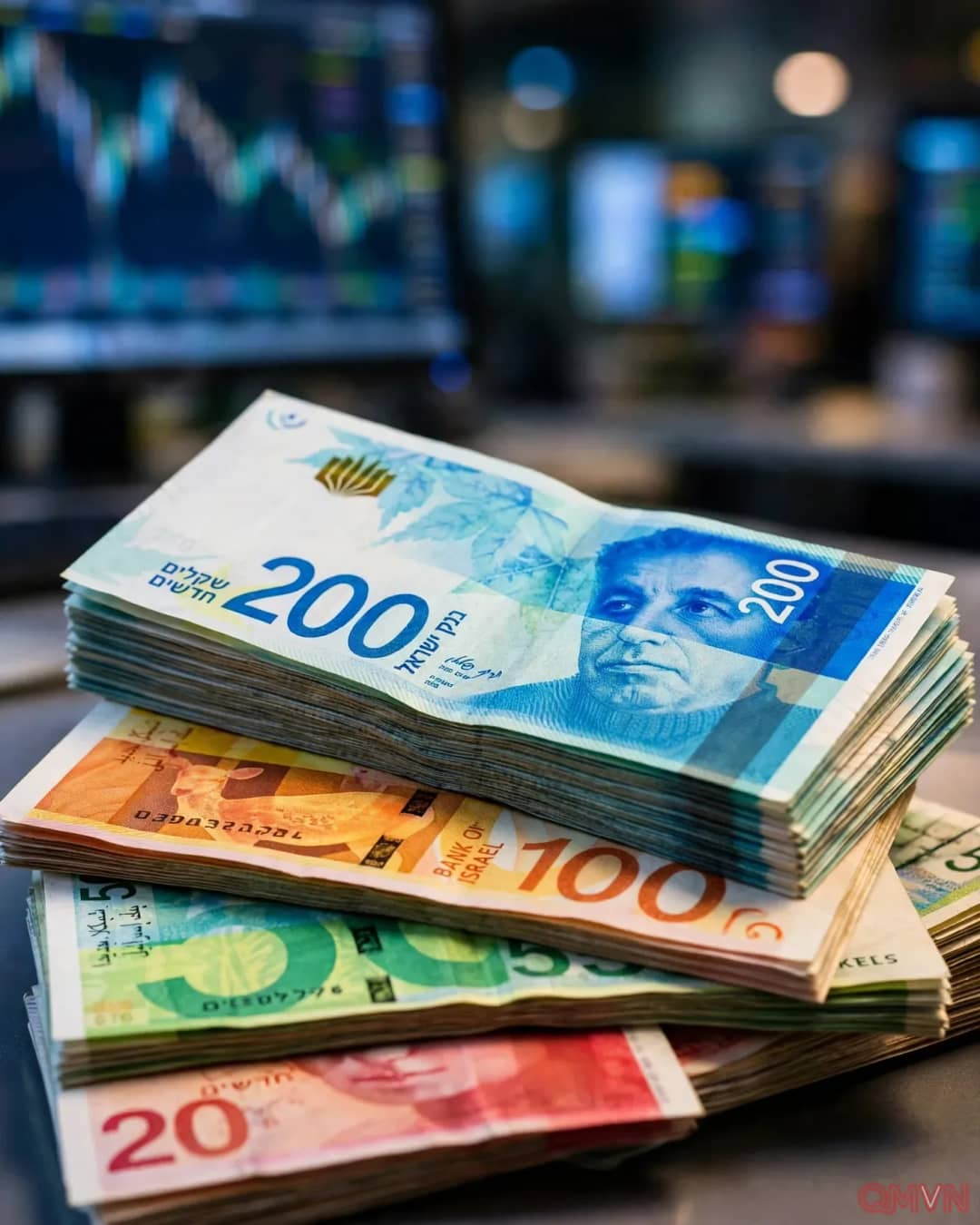
- The shekel gained nearly 1% to 3.05 per dollar, a three-week high, after weakening to 3.12 a day earlier.
- By early afternoon, 31.5% of eligible voters had voted, the fastest turnout since 1977, and data pointed to the highest overall participation in 49 years.
- Short-term volatility gauges, used to bet on or hedge against the election fallout, jumped to their highest level since Israel's strikes on Iranian nuclear sites.
The move was sharp for a single session, but it came on top of a long period of strength. Before the campaign, the shekel had already rallied for about three years, making the election a test of whether that confidence would hold or unravel.
Why investors read turnout as a signal
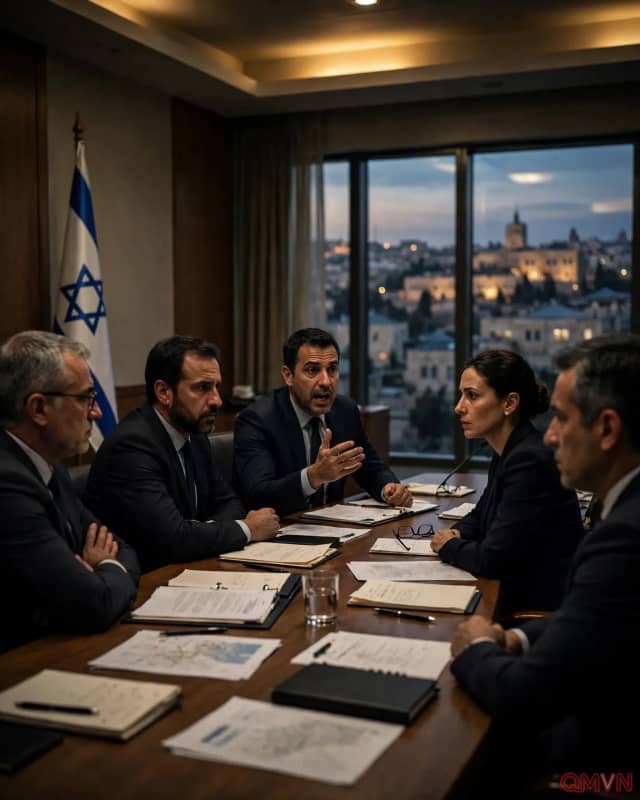
In Israel, high participation is often interpreted as a sign of mobilisation against the incumbent, and analysts said this year's surge could point to a strong showing for parties opposing Netanyahu's bloc. Some foreign investors see such an outcome as likely to ease domestic tensions over the judiciary and religion, which they believe have weighed on the currency, and to improve Israel's ties abroad.