MAIN CONTENT
A surprise invitation on a crowded diplomatic stage
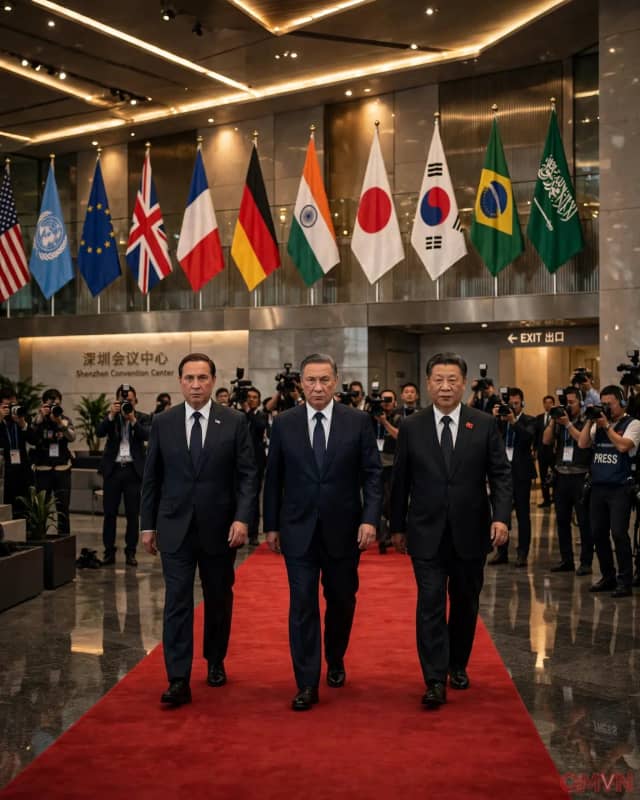
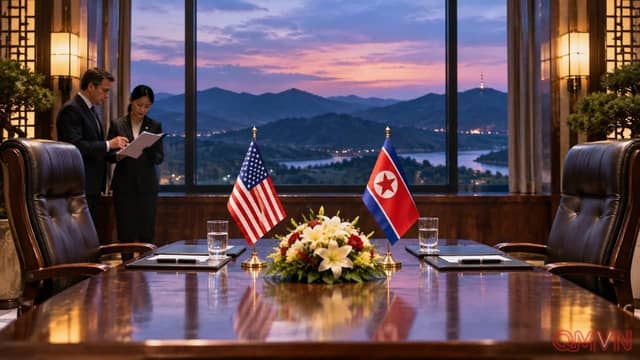
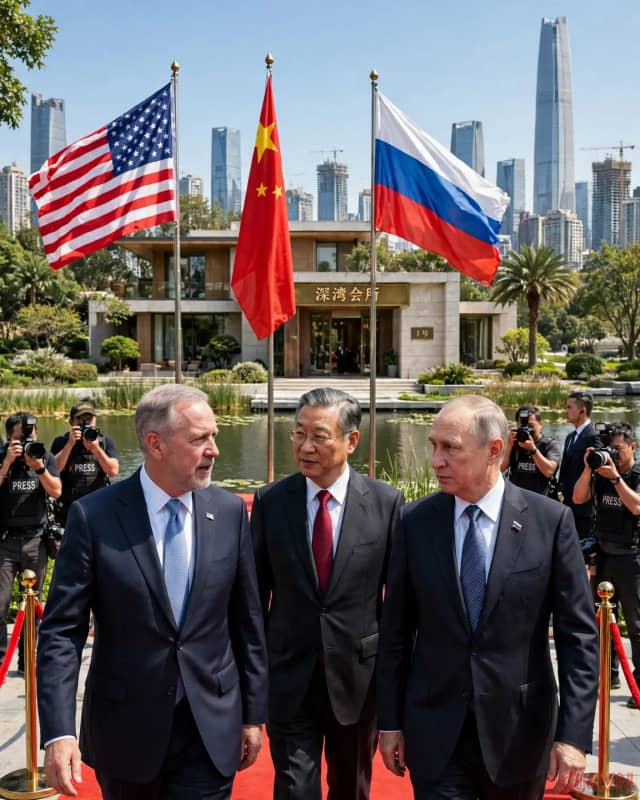
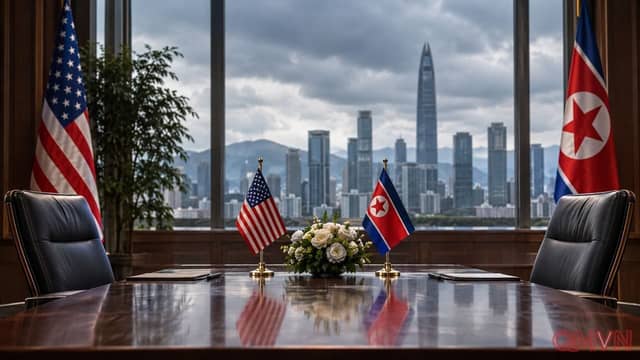
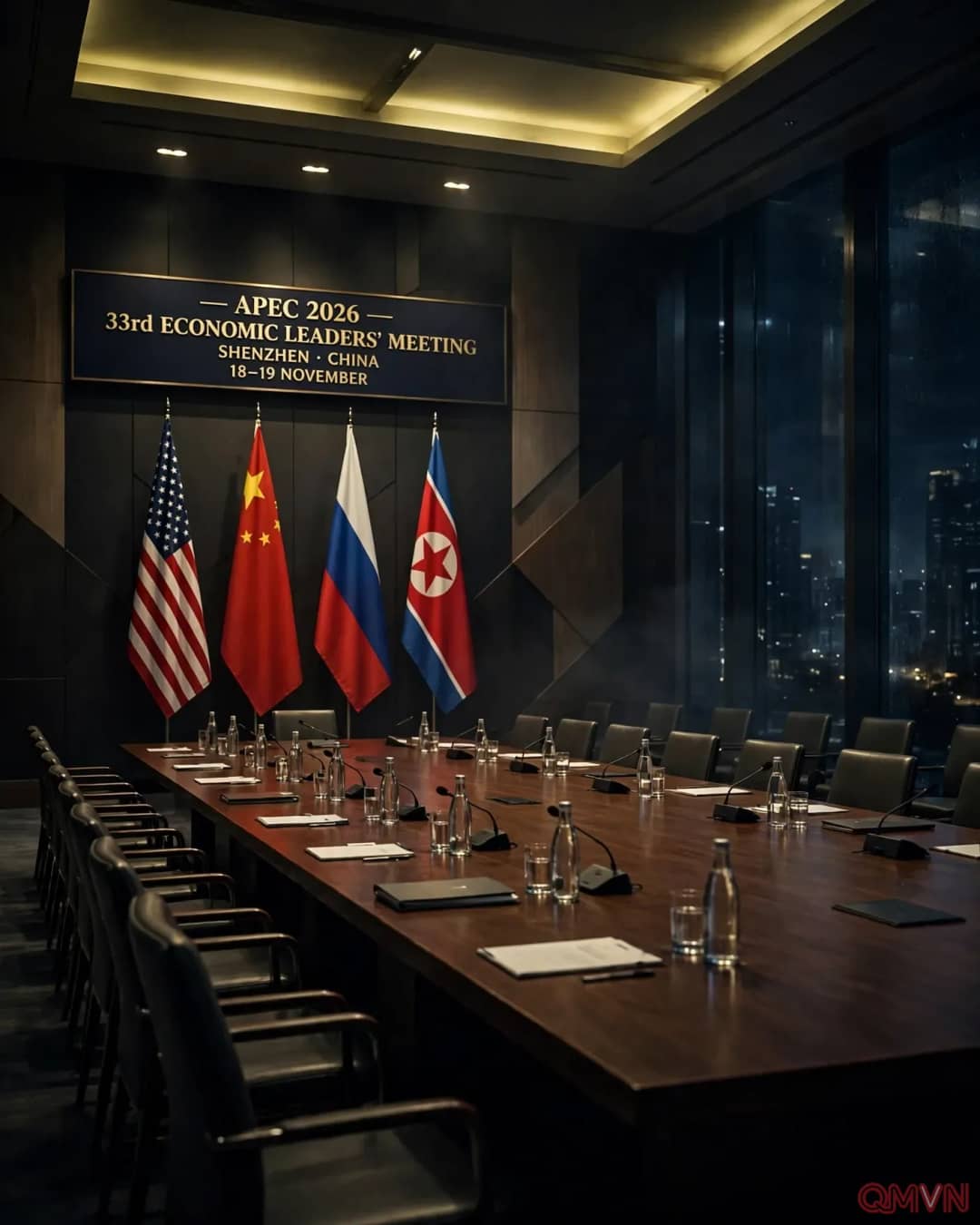
Before leaving Washington on November 16 for the Philippines and China, Trump told reporters that he might meet Kim during the China leg of his trip. Reuters and Yonhap reported his comments ahead of the APEC leaders’ gathering in Shenzhen. It was an expression of interest, not confirmation of an encounter accepted by both governments. The distinction matters when even a brief leaders’ meeting can influence regional expectations.
American officials had previously indicated that no immediate talks with North Korea were planned. Pyongyang, meanwhile, has publicly rejected the need for dialogue under current conditions. A spontaneous summit may make compelling news, but serious negotiations need an agreed agenda, reliable channels and some understanding of what each side is prepared to discuss. None of those foundations was publicly established when Trump spoke.
Why Beijing matters without controlling the outcome
Trump said Kim might come to China and suggested that the question was up to President Xi. The remark drew attention to Beijing’s position as host of the gathering and as North Korea’s principal economic partner. It did not, by itself, establish that China had invited Kim or was organizing a meeting. Beijing’s interests include regional stability, influence over Korean Peninsula diplomacy and managing its wider relations with Washington.