MAIN CONTENT
The everyday work of mourning
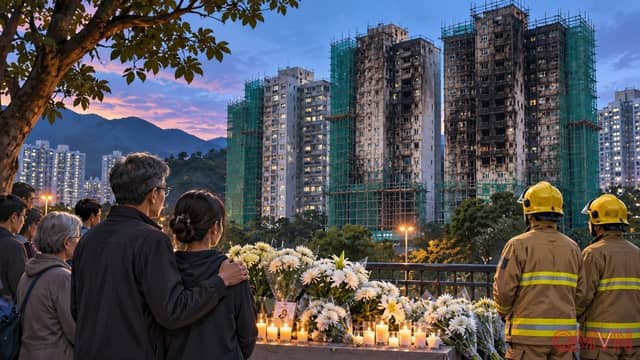
Yip Ka Kui lost both his wife, Pak Sui Lin, and the apartment that had been their home for more than twenty years. Reuters reported that he continues to send her messages and photographs, maintaining a connection through a familiar everyday ritual. His experience offers a glimpse of the emotional consequences of a catastrophe long after the emergency response has ended. For someone accustomed to sharing ordinary moments with a loved one, the absence can be felt in the smallest details of daily life.
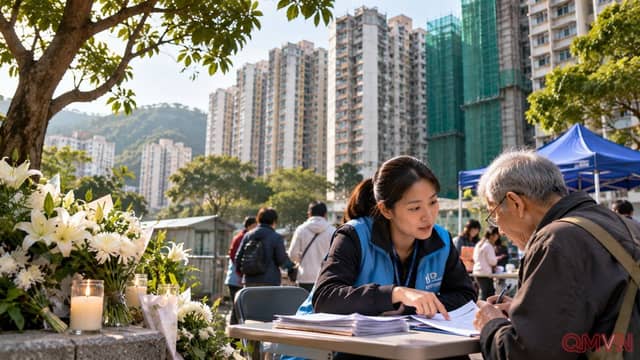
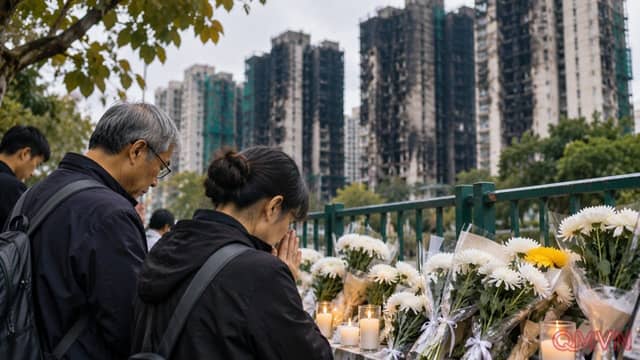
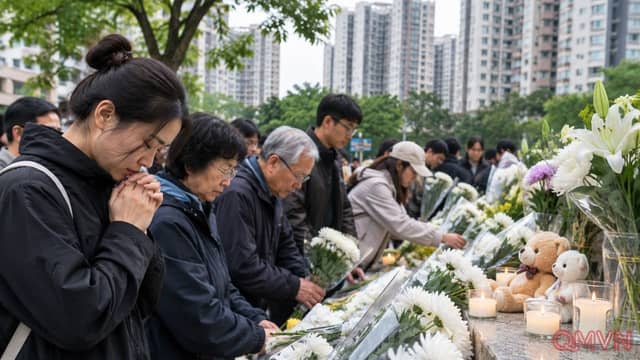
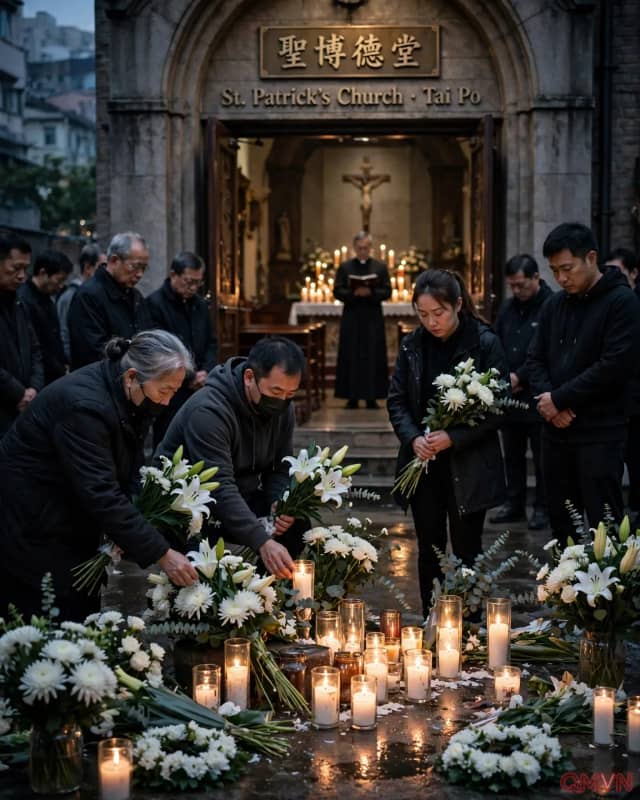
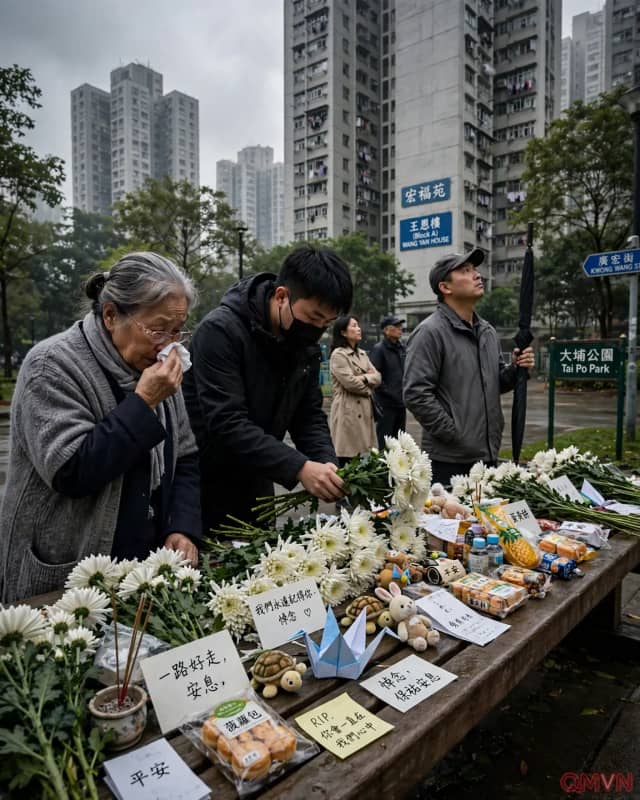
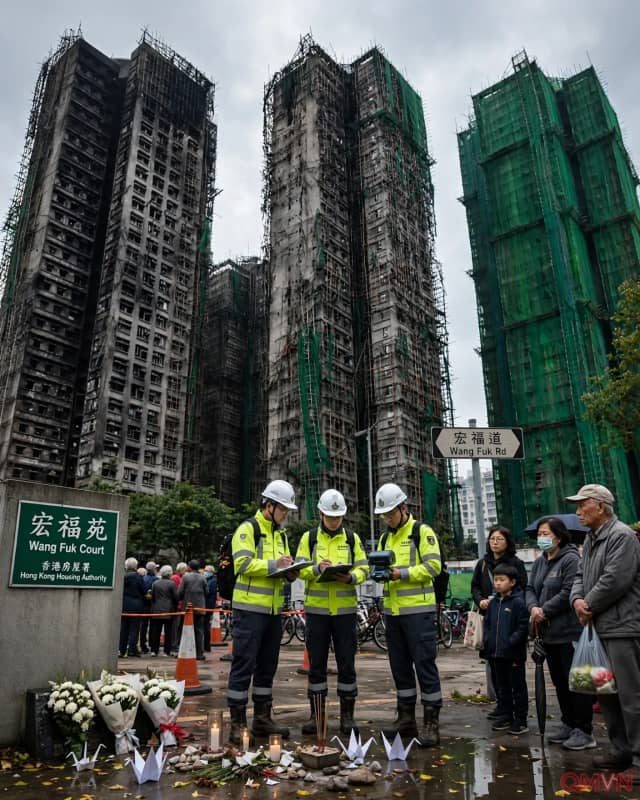
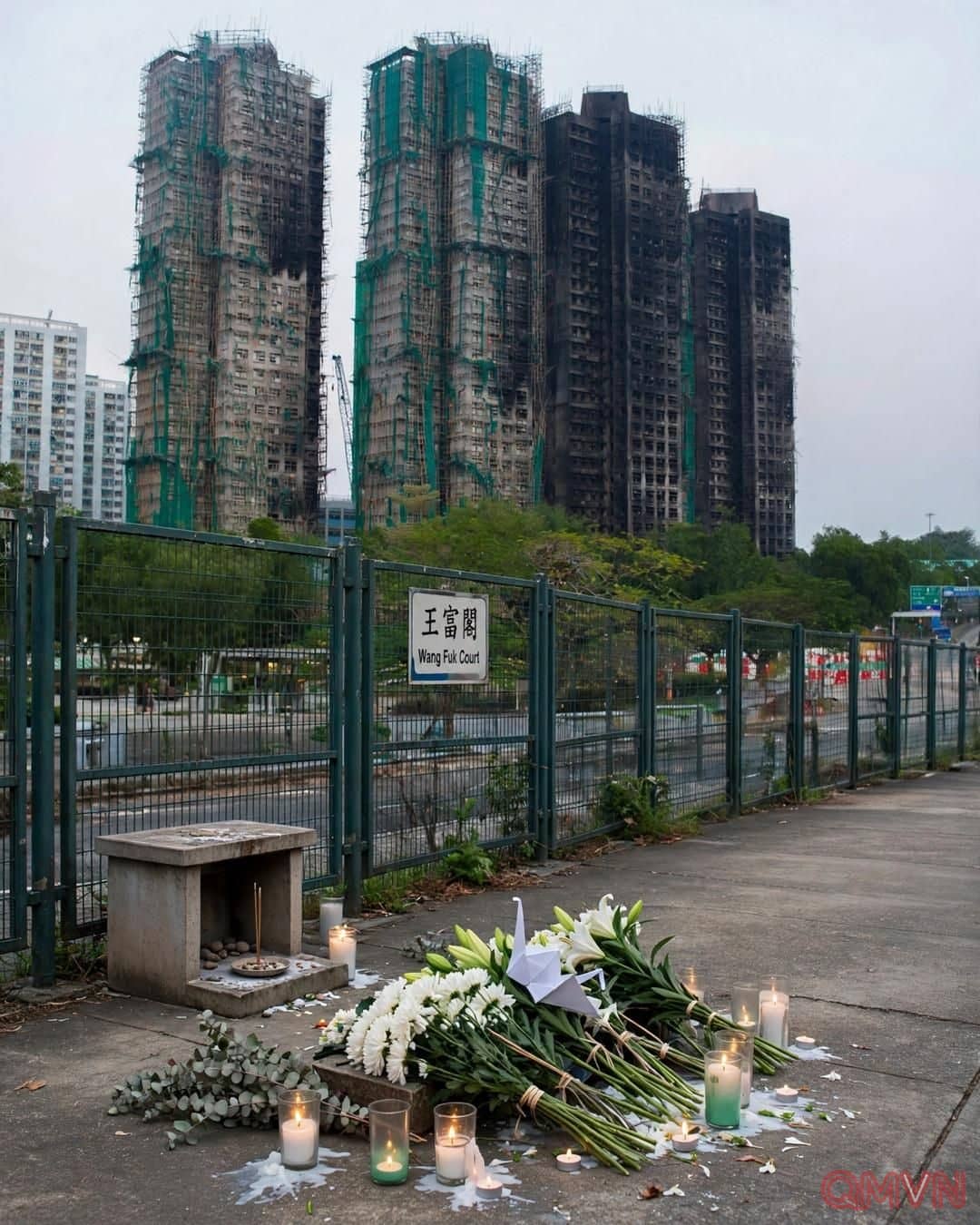
For Phyllis Lo, whose mother died in the fire, bereavement has been accompanied by months of following public hearings and decisions about housing. Her account illustrates how the practical demands of seeking answers can compete with work, family responsibilities and time for mourning. On November 26, Associated Press reported that commemorations included prayers and flowers. The anniversary brings recognition of those who died, but it does not impose a timetable on the grief of those who remain. Recovery services need to recognise that individual experiences and needs differ.
Housing is more than a financial asset
The Hong Kong government announced a long-term housing package in February 2026, offering property acquisition and access to subsidised alternatives. Officials argue that this approach avoids the prolonged uncertainty of reconstructing the estate on its original site.