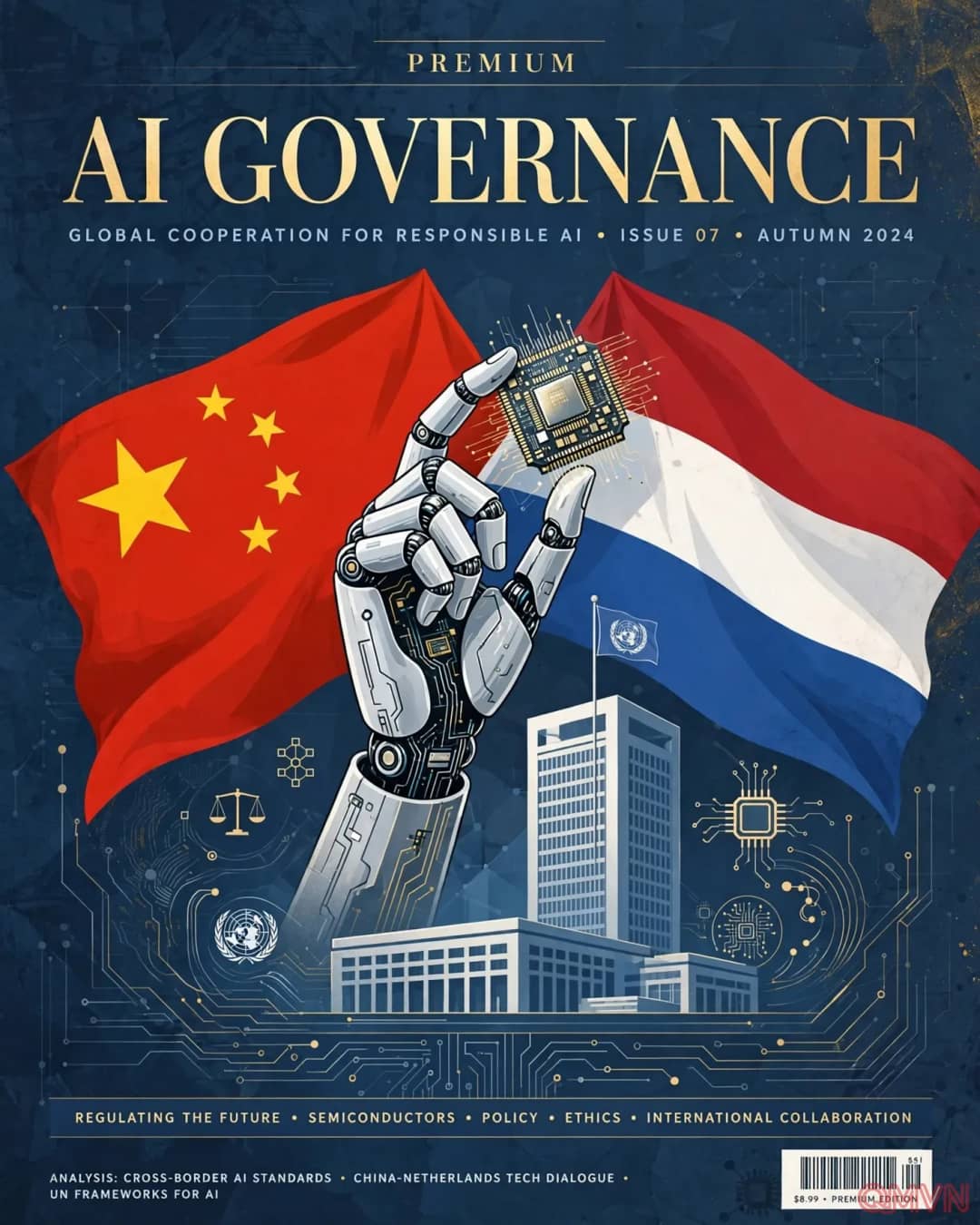
A diplomatic opening without a binding treaty
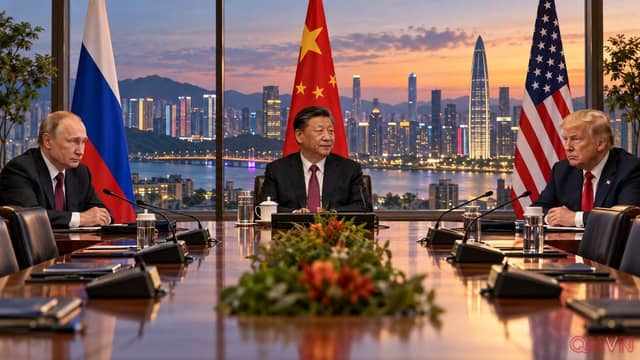
The joint declaration establishes a shared direction rather than a finished regulatory system. Both governments acknowledge the benefits and risks associated with artificial intelligence and endorse wider international discussions about its military applications. The wording leaves considerable room for negotiation about the practical meaning of responsible conduct. It establishes neither a new inspection mechanism nor an enforceable prohibition on particular military systems.
This distinction matters because military AI encompasses many different activities, from administrative tasks to decisions with potentially grave consequences. Rules appropriate for routine data analysis may be insufficient when human lives are at stake. International discussions must therefore address the circumstances in which human judgment, legal responsibility and independent scrutiny are essential. A common diplomatic vocabulary can help governments begin that conversation even when their security interests remain different.
The Dutch search for technological autonomy
The Netherlands occupies an influential position in the semiconductor supply chain through ASML. According to the South China Morning Post, the Dutch government also intends to expand its defence technology and industrial base by 40 percent by 2030.
Its national AI strategy seeks to avoid excessive dependence on suppliers from either the United States or China. These ambitions illustrate the difficulty of pursuing industrial resilience while remaining embedded in international markets.
Diversification does not mean that every technology can be exchanged without restrictions. Open-source models may offer additional choices, but licensing, data protection, cybersecurity and reliability still matter. John Gong, an economist interviewed by the South China Morning Post, emphasized Europe's influence in AI governance despite the substantial investment required to compete in frontier development. The debate therefore extends beyond the origin of a particular technology to the ability of institutions to evaluate and govern it responsibly.
Semiconductor disputes remain unresolved
Reuters reported on November 25 that the Dutch government was working to prevent adoption of the proposed US MATCH Act, which could impose additional restrictions on ASML's equipment business in China. The dispute concerns both commercial interests and the authority of national governments to determine export policy. The proposal should not be confused with legislation already in force.
Another source of friction is Nexperia, the Dutch semiconductor company acquired by China's Wingtech Technology in 2019. Reuters reported that the dispute had generated litigation in both countries and that Beijing had requested a predictable business environment. These disagreements show why cooperation on AI safety cannot be assumed to signal a wider settlement over industrial policy. Each issue has its own legal and economic considerations.
From diplomatic language to accountability
The next challenge is to translate broad commitments into practices that can be assessed. International cooperation could clarify expectations about legal oversight, responsibility for errors and communication during crises. It could also encourage research into civilian protection and the reliability of systems used in high-consequence settings. These are areas where shared standards may be valuable even among governments that disagree on other issues.
However, transparency requirements must contend with legitimate security concerns, and voluntary declarations cannot substitute for compliance with international humanitarian law. The November meeting is best understood as an opportunity for further dialogue, not evidence that the risks have already been contained. Its lasting value will depend on whether subsequent discussions establish credible safeguards and maintain channels of communication during periods of geopolitical strain.