MAIN CONTENT
Shenzhen Customs raids dismantle four rings behind 38,000 smuggled samples
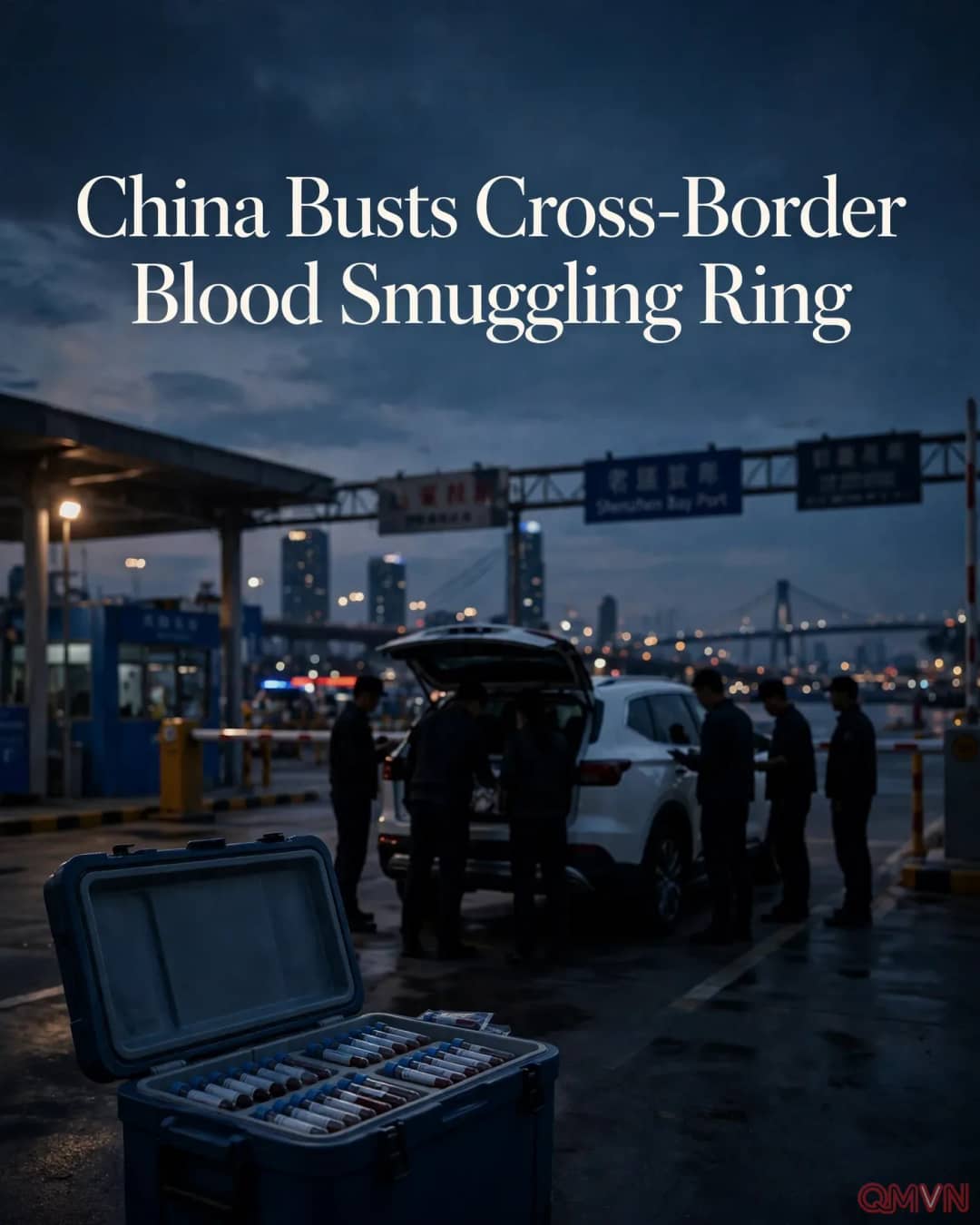
State broadcaster CCTV reported on Wednesday, November 25, 2026, that anti-smuggling officers with Shenzhen Customs dismantled an underground network that illegally collected and transported pregnant women's blood samples out of mainland China for fetal sex determination—a practice prohibited on the mainland for non-medical purposes.
Following an investigation lasting almost a year, Shenzhen officers worked alongside counterparts in other cities to conduct raids in January 2026 across provinces including Guangdong, Hainan, and Fujian, detaining 37 suspects, dismantling four criminal syndicates, intercepting more than 2,000 tubes of blood bound for illegal export, and confirming over 38,000 maternal blood samples had been smuggled overseas before referring the case to prosecutors for indictment.
Biosecurity risks, human genetic resources, and criminal penalties
China's ban on prenatal sex testing dates back to the one-child policy era—which ended in 2016—when son preference fueled sex-selective abortions, while under President Xi Jinping's holistic national security framework introduced in 2014, biosecurity and human genetic resources have become core priorities. Shenzhen Customs legal official Chang Pai warned that pooling large volumes of smuggled samples overseas could enable foreign institutions to analyze health profiles, genetic vulnerabilities, and ethnic makeup, while the Ministry of State Security has highlighted risks ranging from disadvantages in gene patents and drug development to hypothetical genetic weapons.
Under China's Criminal Law, smuggling human genetic materials abroad in ways endangering public health or social interests carries up to seven years in prison plus fines, and CCTV also warned that unregulated blood draws and non-medical abortions jeopardize pregnant women's health while sample leaks during transit could spread infectious diseases.
"Maternal blood samples carry the genetic information of two generations – both the mother and the fetus – making them part of the nation’s human genetic resources" — Chang Pai, legal official with Shenzhen Customs' anti-smuggling department.
Concealed audio-system smuggling, parcel locker drop-offs, and global genomic rules
The investigation began in March last year after Shenzhen Customs received a tip about a white car heading toward Hong Kong via Shenzhen Bay Port, uncovering 527 blood sample tubes hidden inside its retrofitted audio system. Cross-checking routes led investigators to a second vehicle in Shenzhen's Luohu district whose driver used an electric scooter and residential parcel lockers to pass samples without face-to-face contact, exposing intermediaries who charged pregnant women 1,500 to 3,500 yuan ($225 to $525) online, arranged home blood draws, smuggled samples abroad, sent results back digitally, and pocketed 1,000 to 3,000 yuan per sample.
The Shenzhen bust follows a December 2025 Guangzhou Customs case involving over 100,000 maternal blood samples across 23 provinces and 30 million yuan in illicit profits, and mirrors broader global scrutiny over genomic data—including US rules introduced in April 2025 restricting transactions that could grant countries such as China, Russia, and Iran access to Americans' bulk genomic data and biological samples.