MAIN STORY
After October 17: maintaining order without suppressing peaceful protest
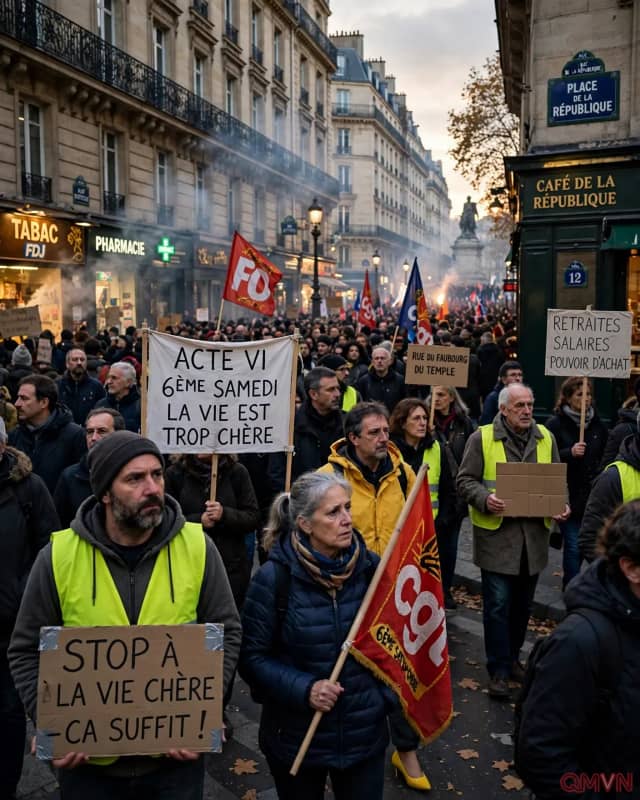
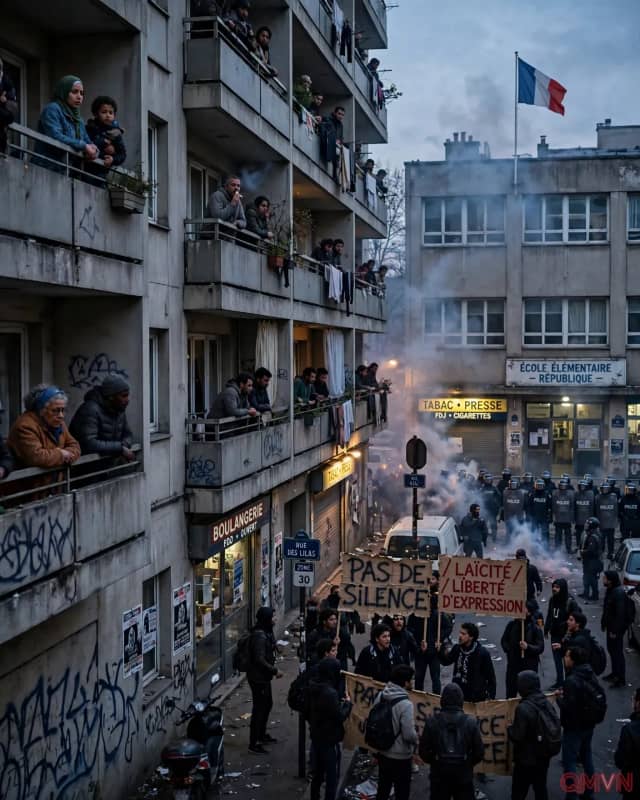
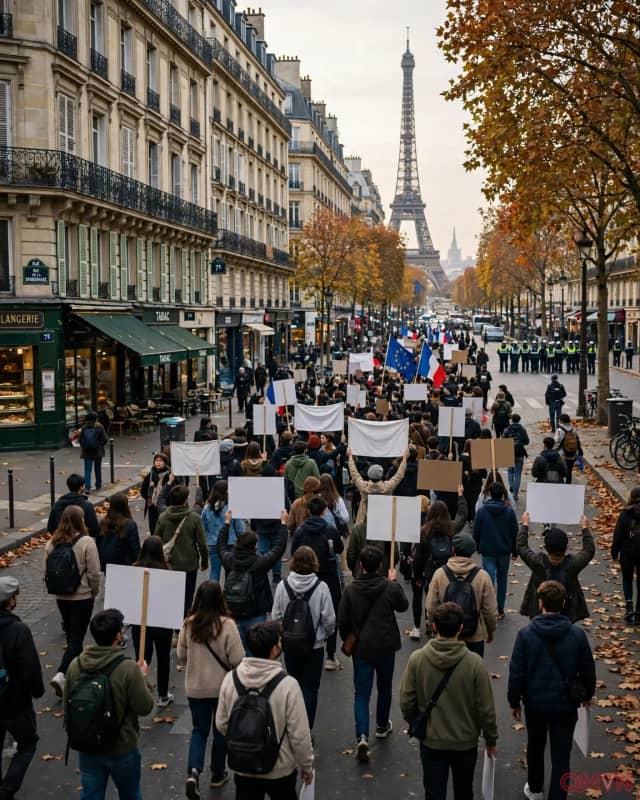
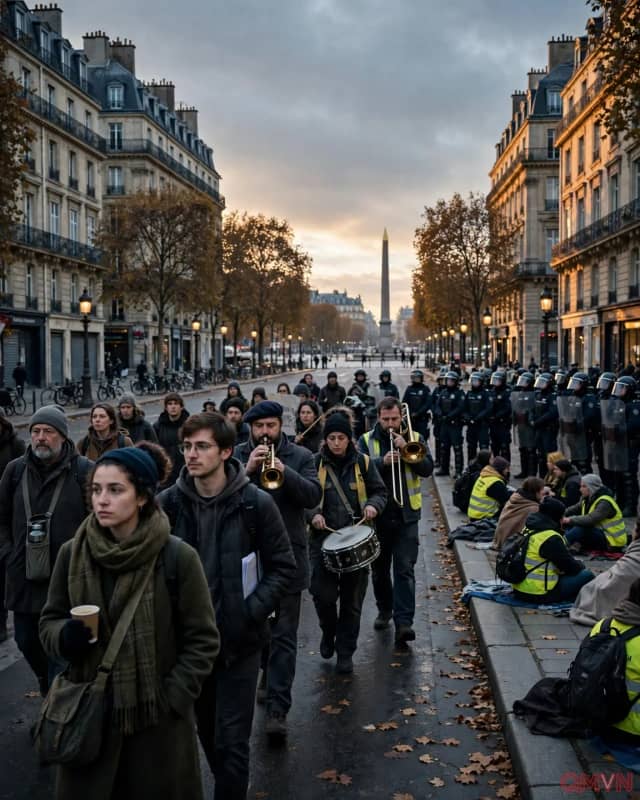
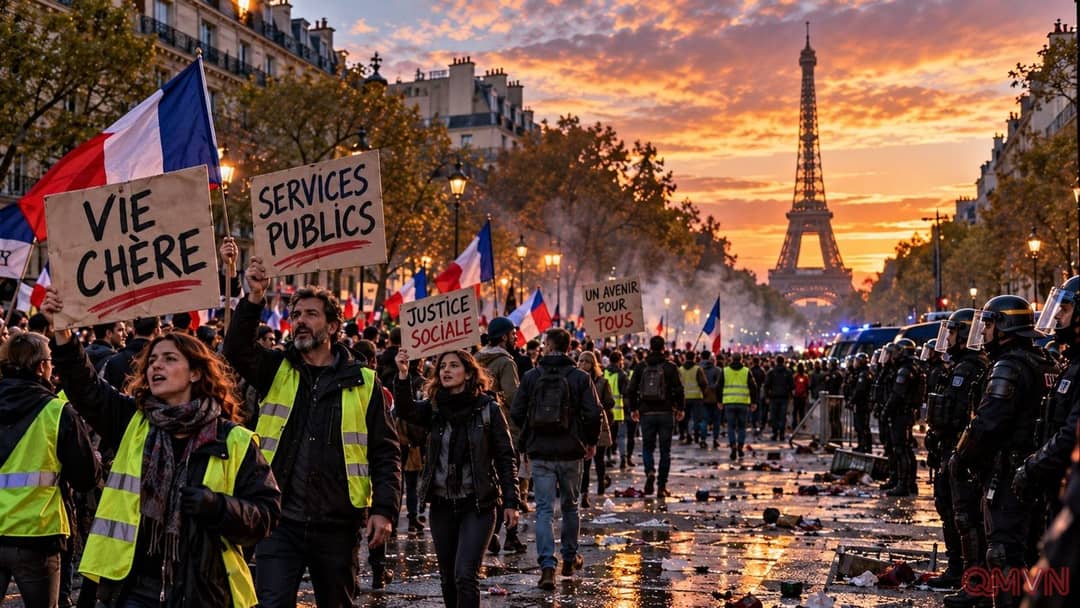
The October 17 demonstrations reflected anger over expensive everyday necessities, fuel prices and strained public services. Most marchers were peaceful, but vandalism, looting and confrontations with police in several cities changed the political atmosphere. Justice Minister Gérald Darmanin said on October 21 that roughly 2,500 people had been taken into custody, 917 referred for prosecution and 174 jailed. Those figures describe the scale of law-enforcement action, not the behavior of everyone who demonstrated.
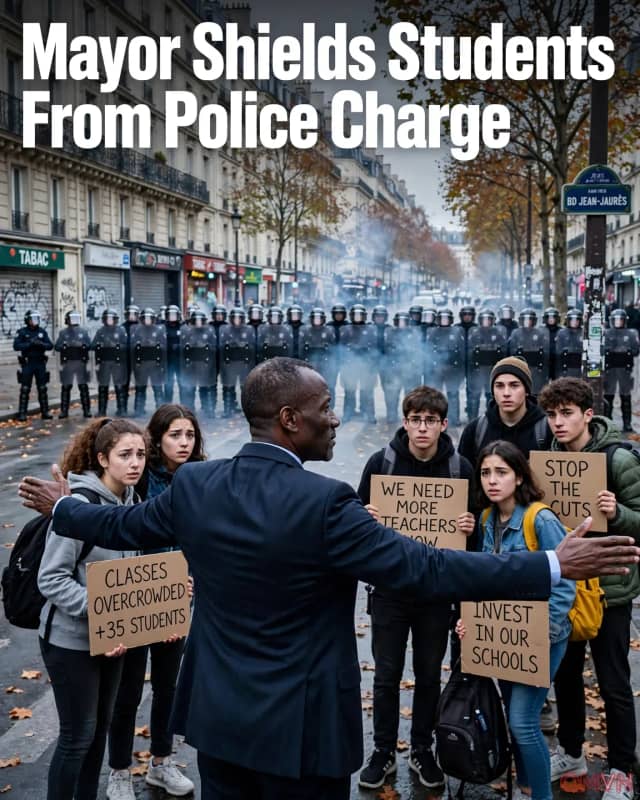
While visiting Qatar to pursue energy arrangements, Macron announced a meeting with intelligence officials and senior ministers for October 22. He said those planning to create disorder in city centers on October 24 would be stopped. The government promised a stronger police presence, potentially supported by troops. The critical balance is to prevent attacks on people and property without treating lawful protest as an offense.
The international argument over the causes of unrest
Macron challenged foreign leaders who attributed the violence to immigration or radical Islam without supporting evidence. U.S. President Donald Trump had invoked the French unrest in remarks aimed at American voters.