MAIN STORY
How one integration reached many brands
The affected organizations did not necessarily suffer intrusions into their core internal systems. Many websites load Optimizely to run design experiments, measure conversion rates and personalize user experiences. A third-party script operating inside a browser can interact with page content, so malicious changes to that script potentially affect visitors across otherwise unrelated companies.
Helme, who runs the security monitoring service Report URI, said researchers examined 1,611 Optimizely snippets and detected 188 contaminated files associated with 178 organizations. These numbers describe the sample and identified organizations, not a count of compromised individuals. Report URI published its technical findings on November 16; cybersecurity company HudsonRock separately reported evidence that websites had delivered the malicious material.
The trust mechanism is especially important. Attackers did not need to lure everybody to a newly registered counterfeit site if malicious content appeared within code served from an established vendor's infrastructure. A simple security rule that trusts a familiar script source may fail when the source itself has been abused. This is why investigators describe the episode as a software supply-chain incident.
A payload built for payments and mobile devices
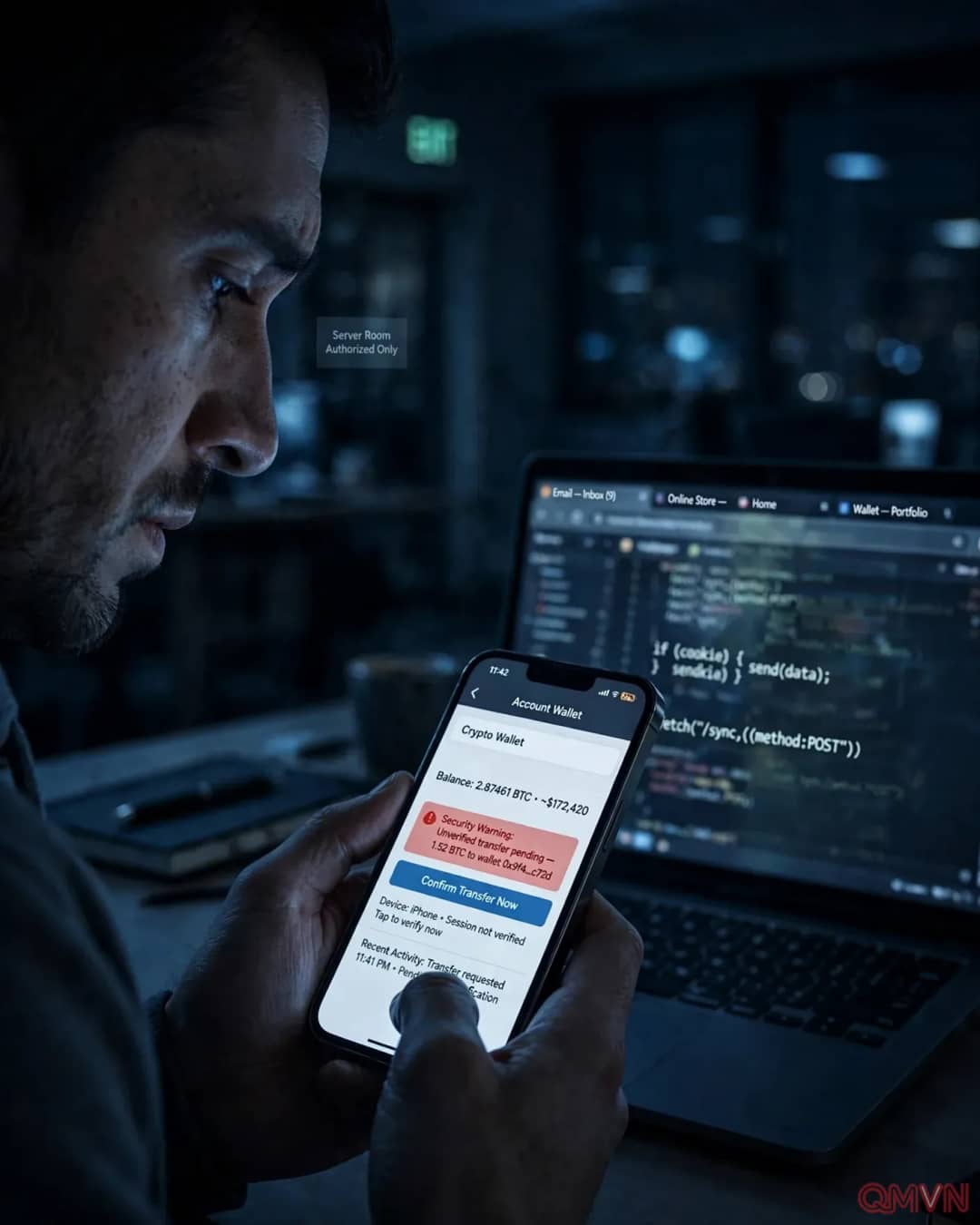
One component searched for cryptocurrency addresses and tried to replace the intended recipient with a wallet controlled by the attacker. A user might believe they were completing a familiar transaction but instead direct funds elsewhere.
Because transfers on many blockchains cannot readily be reversed, confirming the full destination address through an independent channel remains important.
Other reported capabilities included collecting card numbers typed into website forms, extracting accessible session cookies and capturing screenshots. On iPhones and iPads, the payload attempted to load exploit tooling against iOS. Those are observed or reconstructed attack mechanisms, not proof that every browser executed every stage or that every targeted device was infected.
Report URI said it had identified cryptocurrency transfers to attacker-controlled wallets, suggesting at least some financial theft occurred. But the total losses, number of victims and exact exposure on each site remain uncertain. A careful account must distinguish attempted operations, verified technical behavior and independently confirmed consequences rather than treating them as interchangeable.
Corporate responses and unresolved questions
Salesforce acknowledged unauthorized changes to Optimizely scripts on certain branded websites and said it disabled the relevant integration while investigating. Equifax stopped using Optimizely in response and said its investigation found no evidence that its own systems had been compromised. That statement does not, by itself, certify what happened within the browsers of every person who visited an affected page.
According to a statement quoted by BleepingComputer, Optimizely said it had blocked the exploited access path, removed injected content, terminated sessions, revoked access tokens and notified affected customers. Those steps are essential containment measures, although follow-up checks matter where copied scripts, caching or previously accessed browsers may complicate assessment.
Investigators must reconstruct the timing and particular pages involved, as well as what information visitors actually entered and which protections were active. Merely appearing on a list of affected brands should not be interpreted as proof that every service or checkout process operated by that brand suffered an identical breach.
Practical precautions for visitors and site operators
Anyone who transferred cryptocurrency while exposed should check the transaction destination and on-chain record, and investigate unexpected signature or wallet prompts. Those who entered payment details during a potentially affected session may monitor statements and contact their card issuer about suspicious charges. Changing passwords and terminating active sessions is sensible when account tokens may be exposed.
For iPhone and iPad owners, installing current iOS and browser security updates reduces exposure to known vulnerabilities. Visiting a listed site alone is insufficient to conclude that an Apple device has been infected. Users should also beware of fraudulent cleanup services asking for wallet recovery phrases, passwords or remote access under the pretext of investigating this incident.
Website operators face broader obligations: inventory third-party scripts, monitor unexpected code changes, tightly restrict administrative permissions, deploy proportionate content-security controls and prepare procedures for outside-vendor incidents. Trustworthy incident response requires timely containment, meaningful evidence and clear communication rather than either minimizing danger or declaring widespread losses without proof.