MAIN CONTENT
A brighter signal, but not an ending
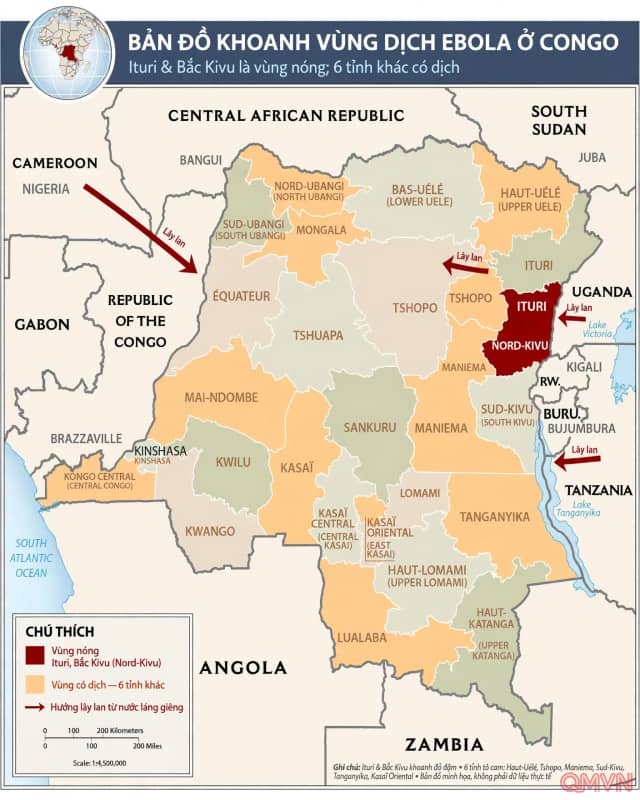
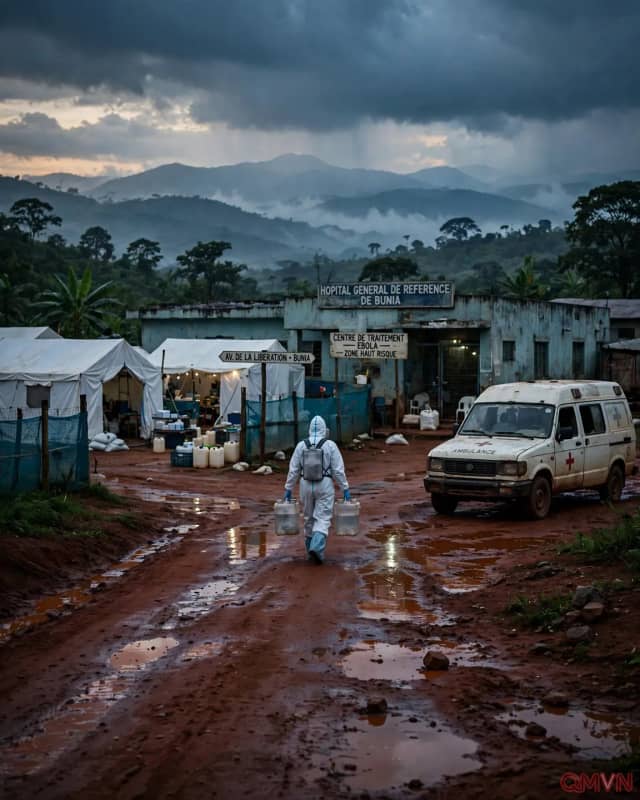
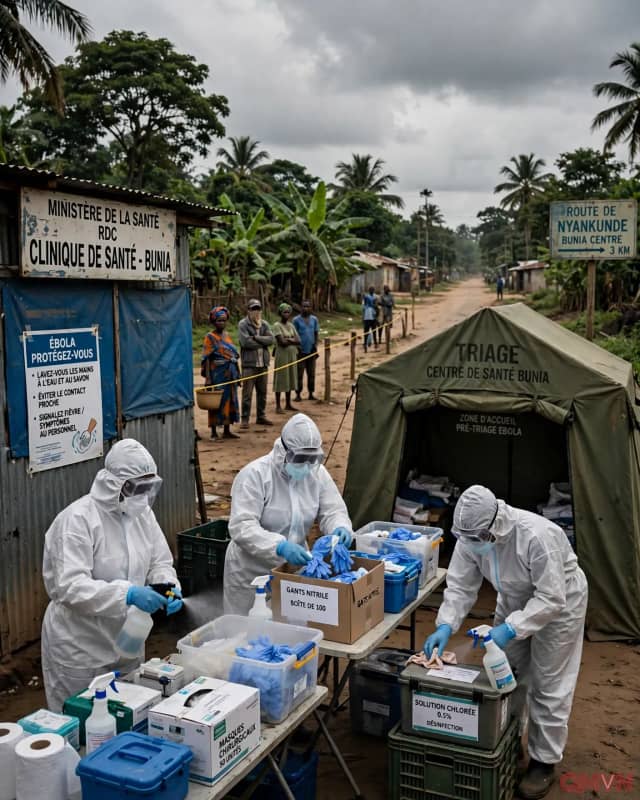
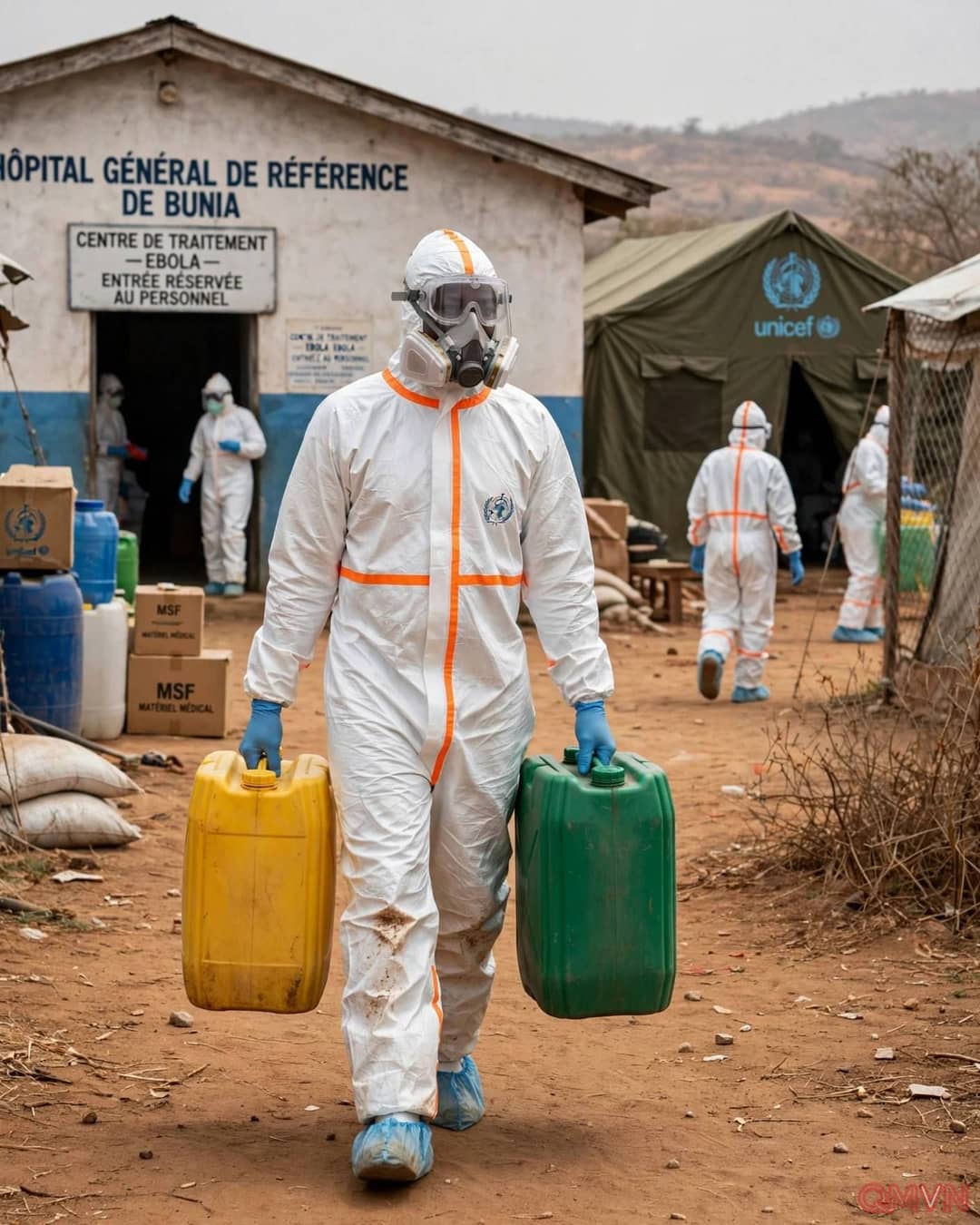
At a November 13 briefing in Geneva, WHO Health Emergencies Programme head Chikwe Ihekweazu pointed to declining infections in earlier centres of transmission, including Bunia in Ituri province. Those declines matter: they suggest that surveillance, clinical care, isolation and work with local communities can interrupt chains of infection when services remain accessible. But progress in one district does not equal control across a country as vast as the Democratic Republic of the Congo.
The scale is formidable. Reuters reported more than 11,000 confirmed infections by November 13. WHO had counted 10,920 cases and 5,323 deaths in the country by November 7, according to its regional situation report. The dates matter because totals move quickly during a large outbreak. WHO also reported that nearly 3,000 people had recovered by November 11, a reminder that timely, compassionate treatment can make an enormous difference even amid severe uncertainty.
Conflict turns distance into danger
The outbreak is increasingly reaching rural areas where travel is slow, security can change overnight and medical teams cannot reliably follow contacts. Ihekweazu cited 80 attacks on healthcare workers and sites.