MAIN CONTENT
Where a health emergency meets a security crisis
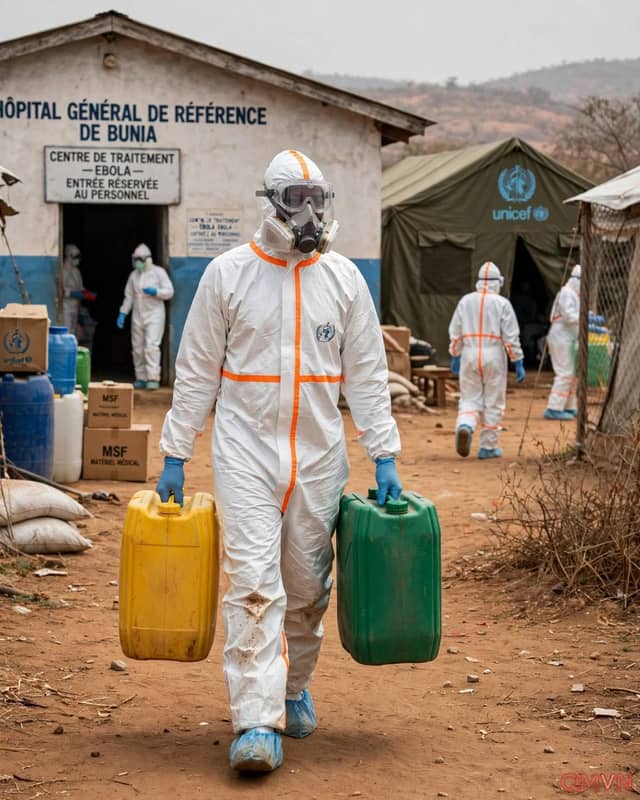
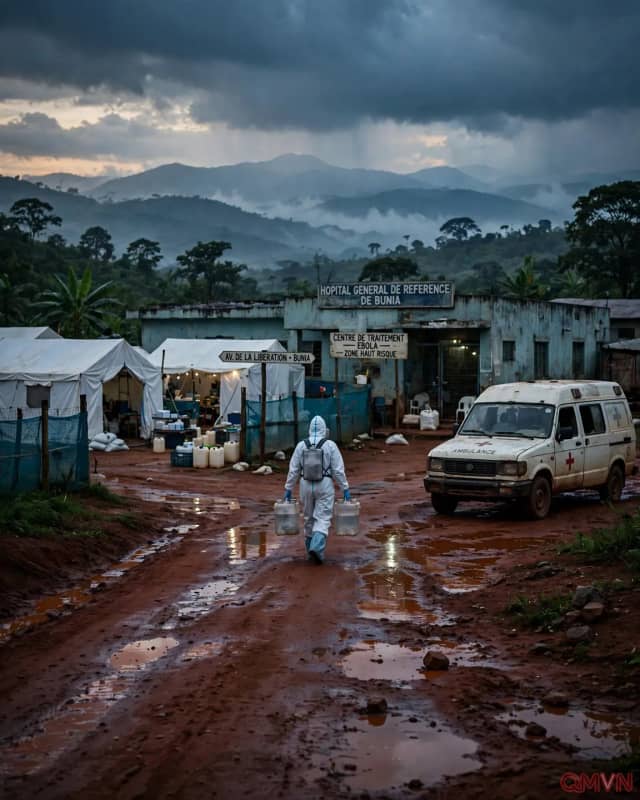
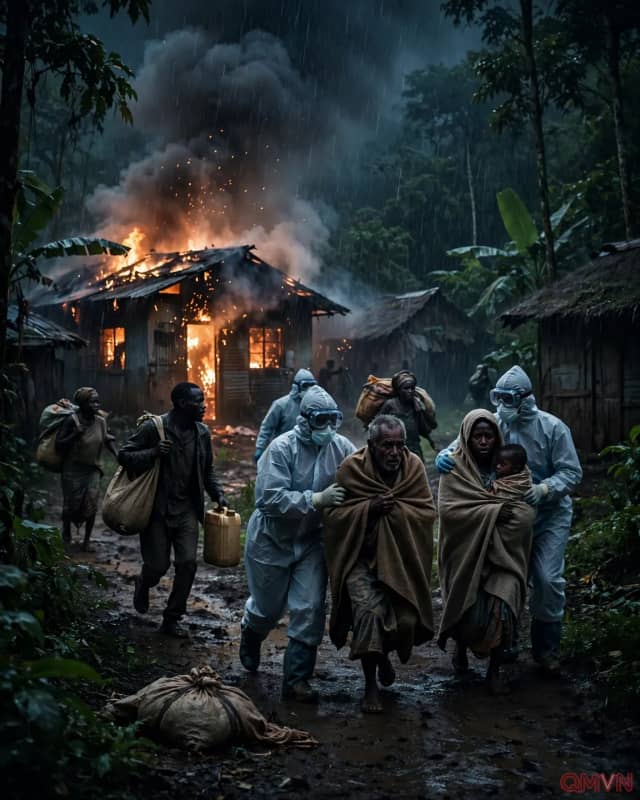
The new epicenter illustrates a brutal complication of disease control: the places where help is most urgently needed may be the hardest to enter. In eastern Congo, armed groups have attacked civilians, health facilities and humanitarian personnel. A November 6 assault on Cantine-Aloya in North Kivu forced patients to flee care, including people with confirmed or suspected Ebola. Such displacement can erase the chain of information that enables investigators to identify contacts and isolate infections.
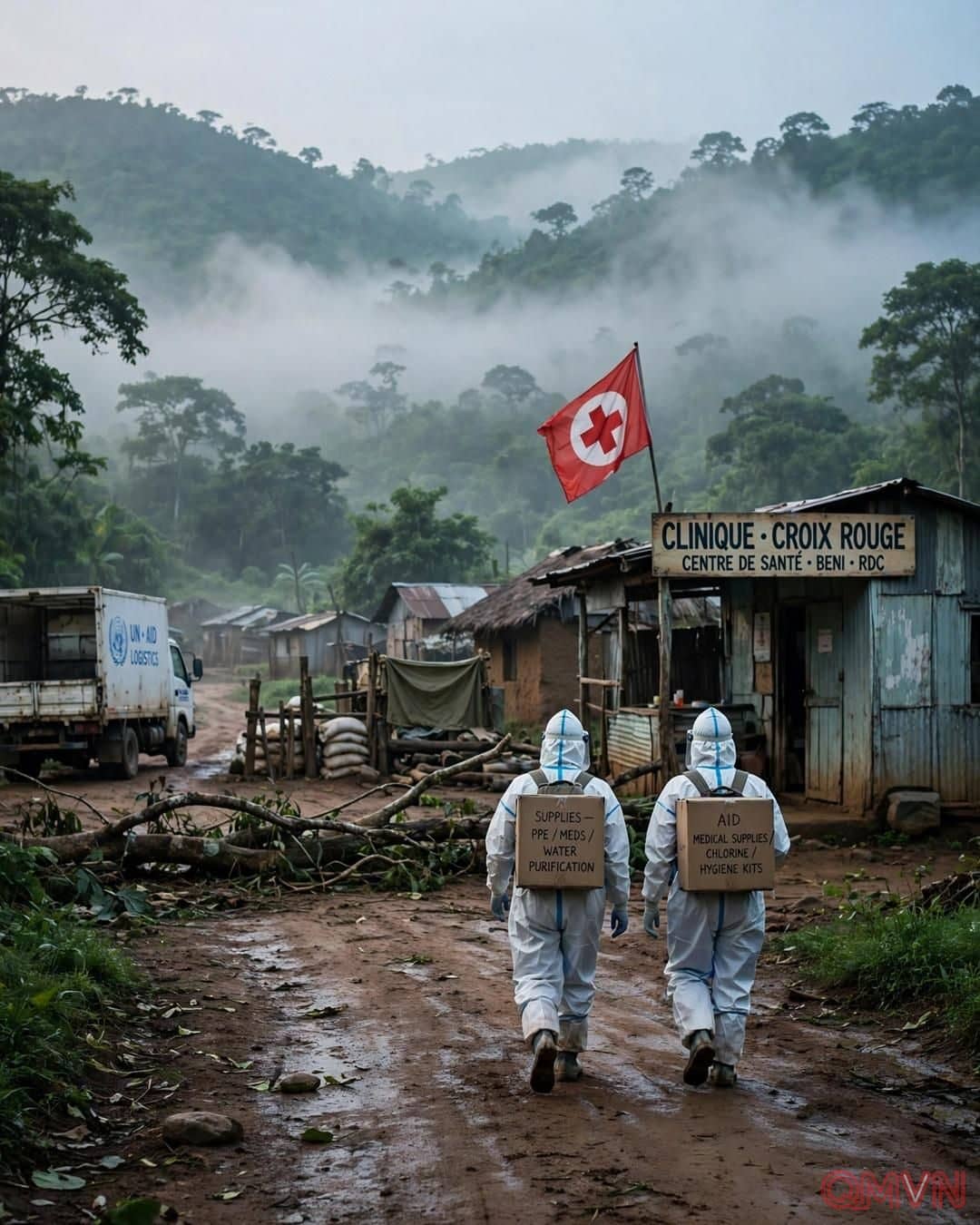
An account from the New York Times described aid reaching the epicenter only with difficulty because an armed group had killed and kidnapped relief workers. That report does not establish the precise number of people now unreachable. The immediate public-health consequence, however, is clear: access is a prerequisite for diagnosis, protective equipment, safe clinical care and trusted communication with families.
The epidemic widens while resources remain uneven
Reuters reported on November 12 that the outbreak, declared in May 2026, had passed 11,000 confirmed cases. The virus involved is the Bundibugyo variant, for which there is no approved vaccine or specific treatment.
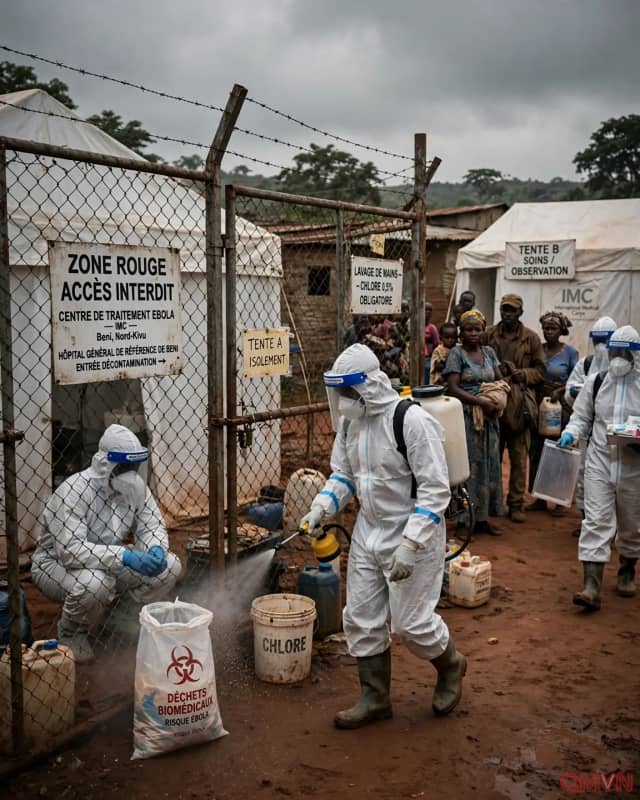
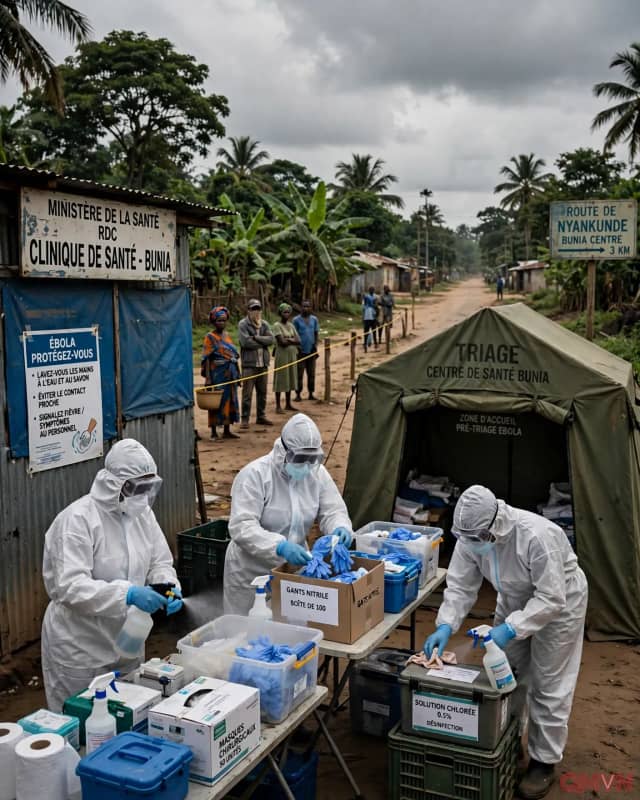
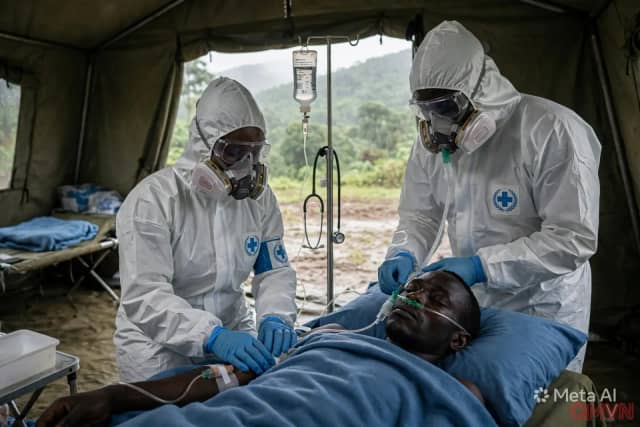
This makes effective isolation, supportive care, protective supplies and rapid surveillance particularly important. Médecins Sans Frontières warned of staff shortages, inadequate supplies and infections acquired in healthcare facilities.
The World Health Organization has acknowledged difficulties, including payment delays and security obstacles. Its officials have described insecurity as a major impediment even where response teams have made progress in former hotspots. Case counts are incomplete snapshots rather than a perfect measure of transmission: people who cannot reach clinics may never enter official tallies, and an apparent decline can conceal broken surveillance.
Violence breaks the links of contact tracing
The scale of the disruption is tangible. Africa CDC said a deadly attack in North Kivu left more than 1,000 contacts lost to follow-up and three confirmed patients unaccounted for. Those figures describe the effect of a particular incident, not the total number missing across the epidemic. Every interrupted follow-up adds uncertainty about where the virus may move next.
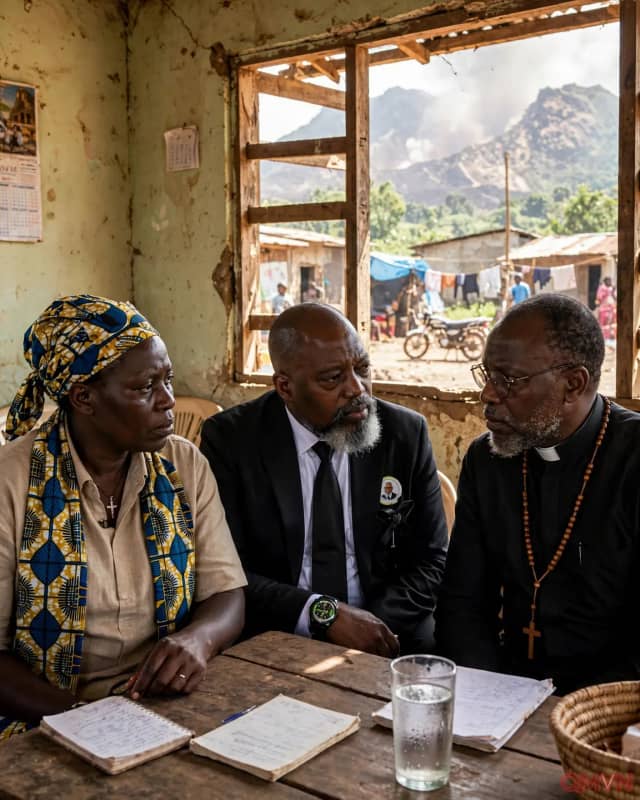
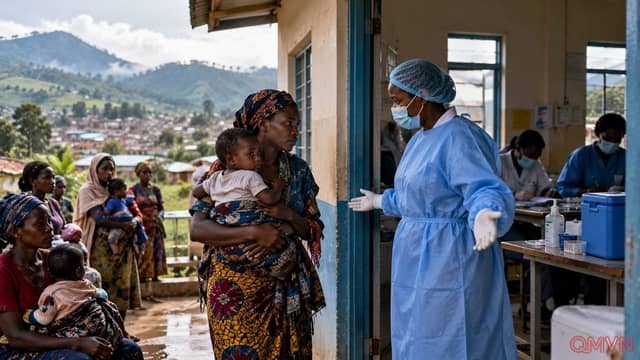
The burden also falls on local nurses, drivers, community representatives and burial teams, who cannot simply relocate when outside organizations withdraw. Public confidence is easily damaged when promised assistance is delayed, but rebuilding trust depends on consistent support, clear information and respect for families' practical needs. Protecting responders and enabling communities to participate are complementary measures, not competing goals.
What an effective response now requires
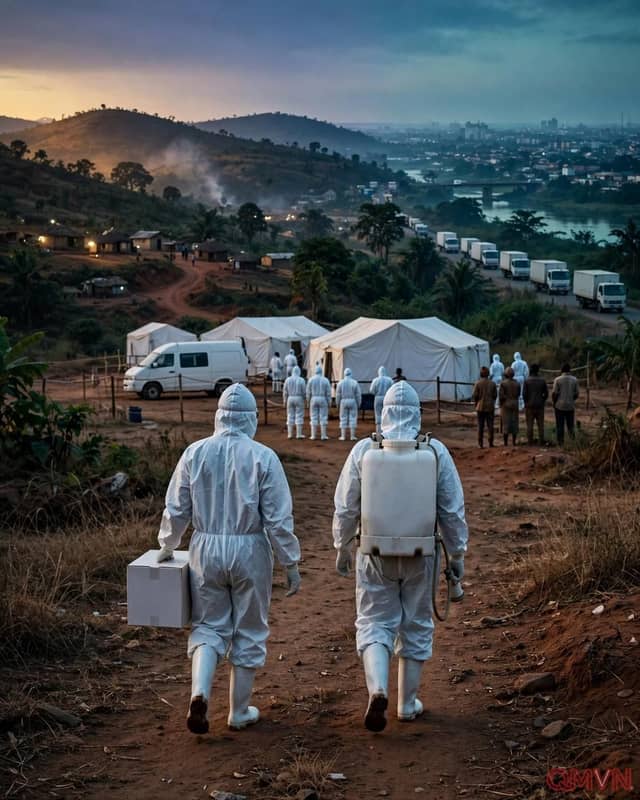
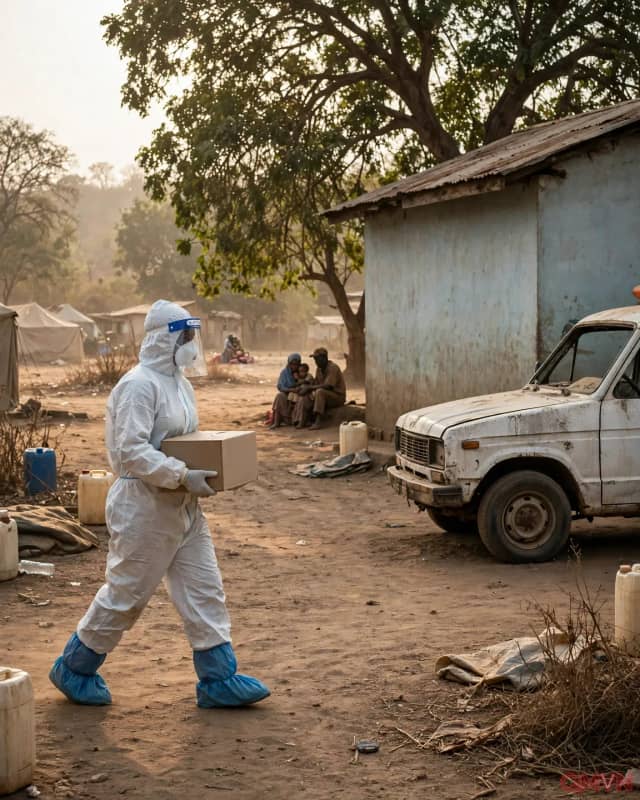
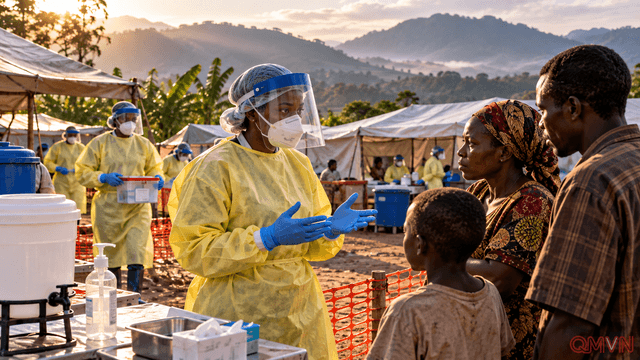
Health agencies need dependable and negotiated access, security assessments, reliable logistics and local partnerships able to maintain care when international deployments are interrupted. Clinics need protective equipment, trained personnel and practical ways to transfer suspected patients safely. Emergency planning must also account for telecommunications outages, damaged roads and sudden displacement.
Longer-term protection requires more than a temporary pause in fighting. Communities need continuing primary care and credible communication even after international attention shifts elsewhere. The central test is whether every person with symptoms can obtain help promptly, without having to choose between the danger of disease and the danger of the journey to treatment. Sources: New York Times, November 13; Reuters, November 6 and 12–13; Associated Press, October 2026.