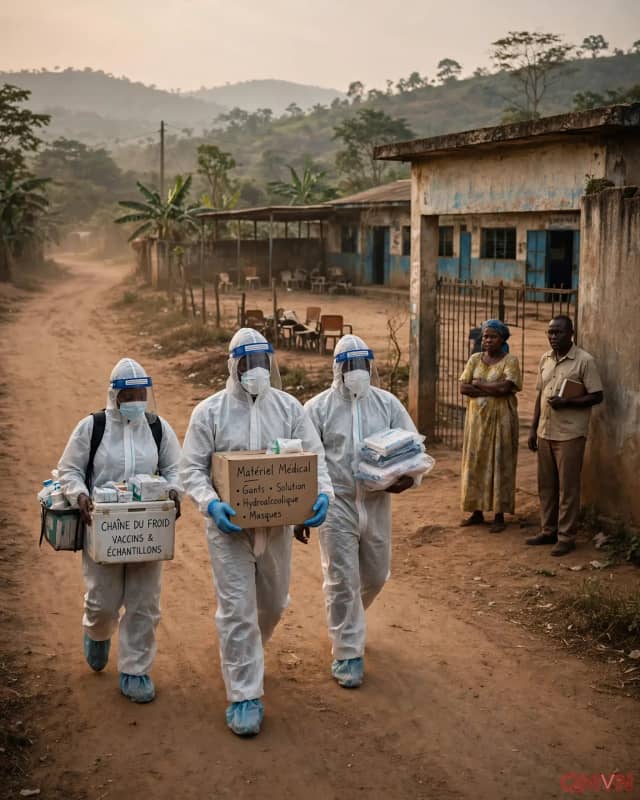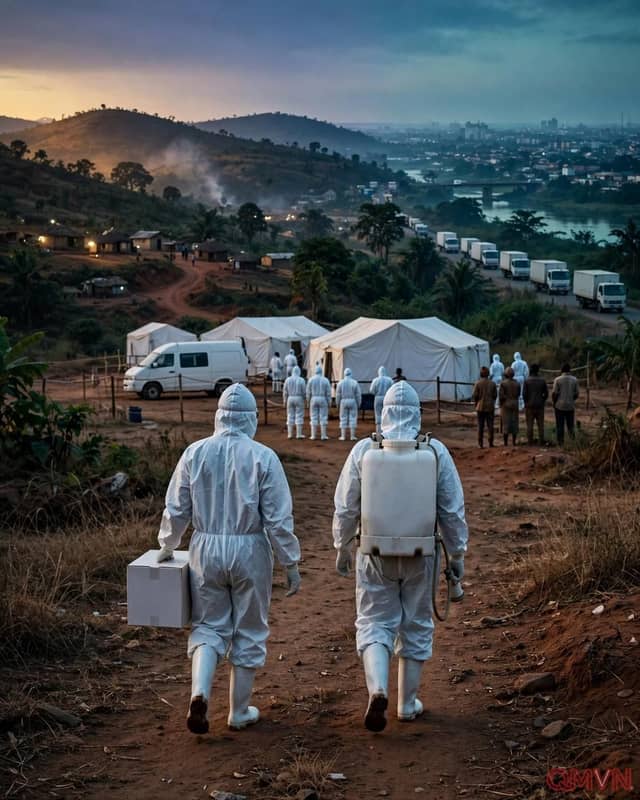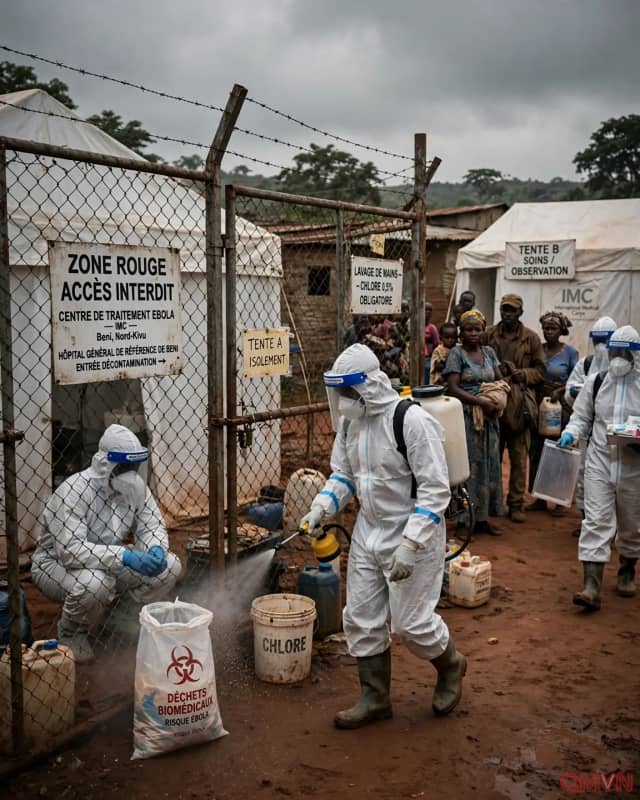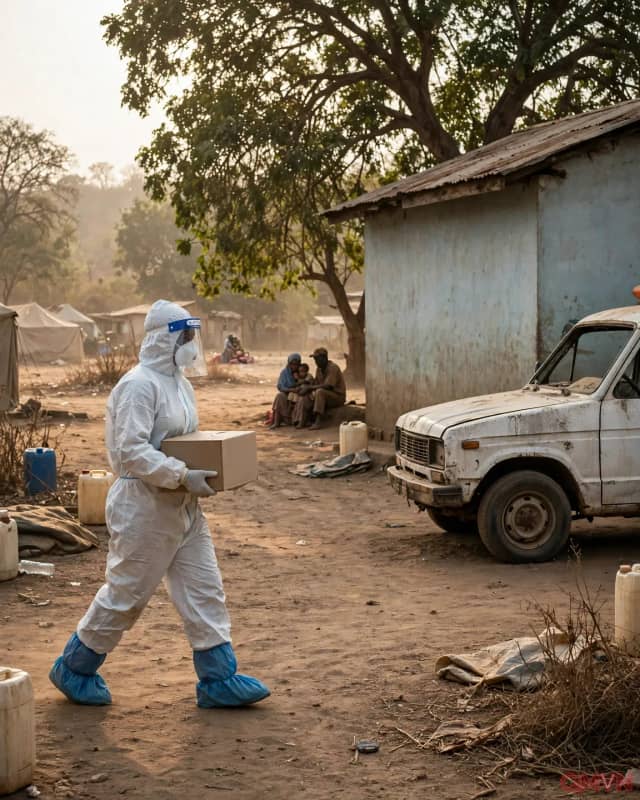
MAIN CONTENT
What the 4,018 deaths tell us—and what they do not
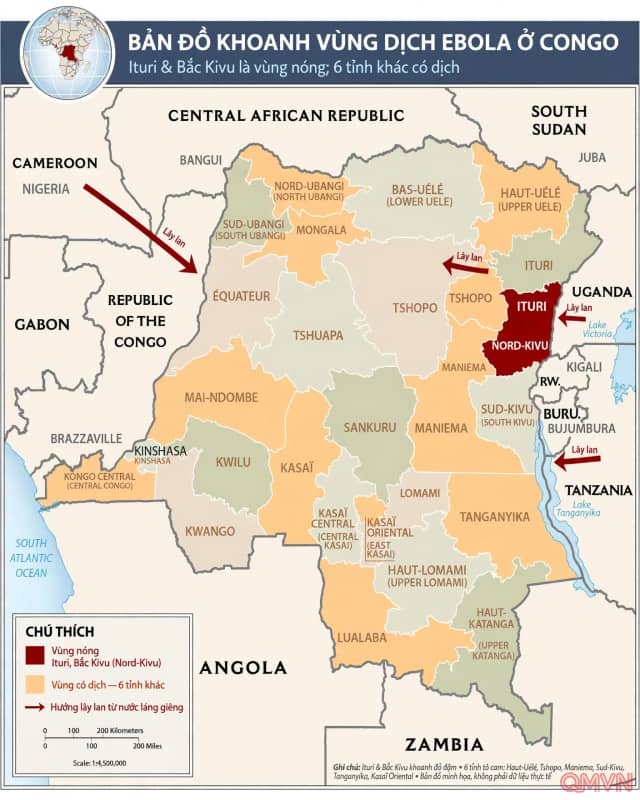
Government figures cited by Reuters on October 2 put the death toll at 4,018, with 8,300 laboratory-confirmed cases. These are figures for the Democratic Republic of the Congo at that reporting point, not a regional total for all of Africa. The number of reported deaths relative to confirmed cases approaches half, underscoring the epidemic’s severity. It should not, however, be interpreted as an exact individual risk of dying: who gets tested, how quickly treatment begins and the completeness of surveillance differ substantially from one location to another.
The outbreak has surpassed Congo’s previous major Ebola emergency of 2018–2020 but remains below the West African epidemic of 2014–2016, which caused more than 28,600 infections and 11,000 deaths across Guinea, Liberia and Sierra Leone. More than 2,000 people in Congo have recovered from this outbreak. For survivors, recovery can also involve longer-term medical, emotional and economic needs, while families who have lost relatives must confront the consequences of disrupted work, education and community life.