MAIN CONTENT
Ten minutes that changed the mission
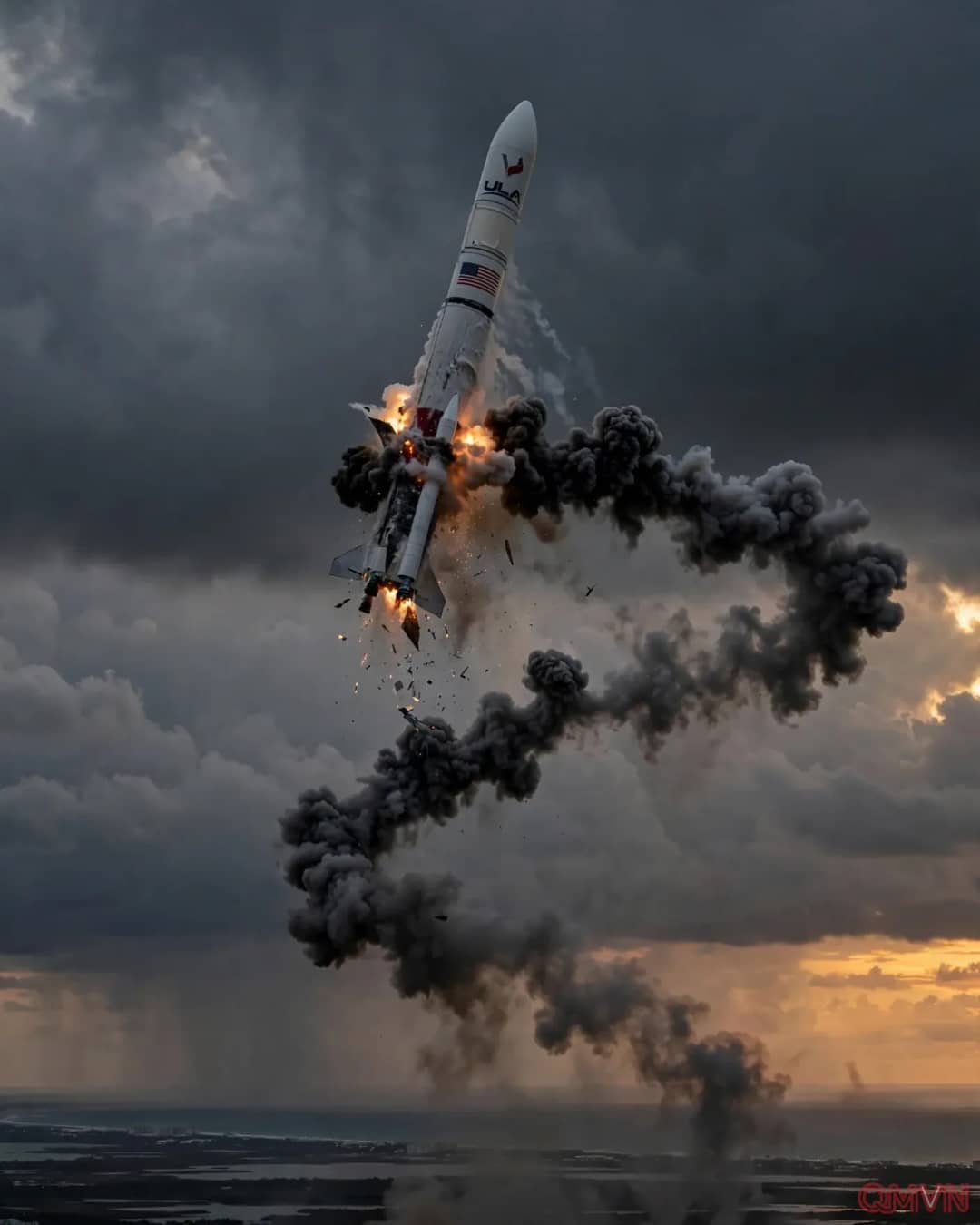
The Vulcan vehicle lifted off from Space Launch Complex 41 at Cape Canaveral Space Force Station at approximately 12:40 p.m. Eastern time. Early milestones appeared to proceed as the rocket climbed away from the Florida coast. But around ten minutes after launch, an in-flight anomaly prevented the rocket from placing its 40 Amazon Leo satellites into their intended orbit. ULA subsequently acknowledged that the mission had failed.
A failed outcome is not the same thing as a proven cause. Reporting by Reuters and Spaceflight Now made clear that ULA had not yet determined which component or sequence of events produced the loss. Speculation about the upper stage, propulsion or guidance should therefore remain speculation. The company said it would examine the evidence with Amazon and relevant organizations, identify corrective measures and work toward a safe return to flight.
For Amazon, the loss is also measured in time
Amazon Leo, previously known as Project Kuiper, is developing a low-Earth-orbit broadband network intended to reach consumers and communities underserved by terrestrial infrastructure. Reuters reported that 398 satellites had been deployed toward a planned constellation of 3,236.