MAIN STORY
A visible investment boom
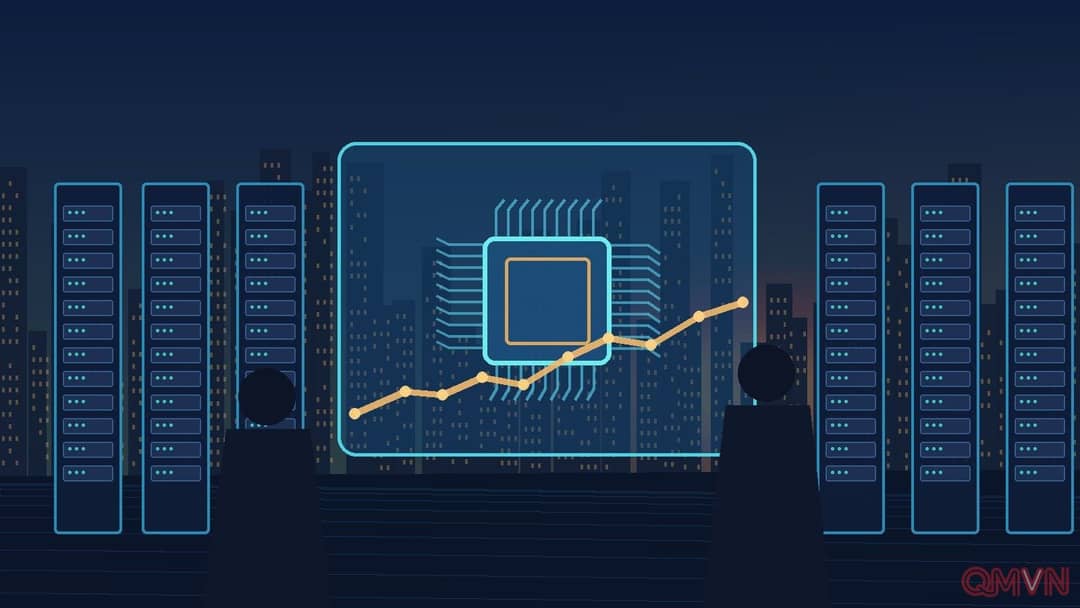
Across the country, artificial intelligence has acquired a physical form: vast data centers, electricity connections, cooling equipment and new transmission networks. Construction and purchases of computing infrastructure create orders for manufacturers and jobs for contractors. Those expenditures enter gross domestic product immediately, even when the applications that will use the equipment have yet to demonstrate corresponding commercial returns. In that limited but important sense, AI is already providing a measurable economic lift.
Investment, however, must be distinguished from productivity. A new server campus raises spending now; lasting improvement requires that businesses subsequently produce more valuable goods and services with given amounts of labor and capital. The decisive evidence may emerge far from technology headquarters, in hospitals, factories, offices and public administration. The timing and distribution of those gains are still uncertain, as is the size of the energy and infrastructure bill required to achieve them.
Why headline GDP is not the economic speed limit
Quarterly GDP growth can swing because of imports, inventories and government spending. Potential growth is different: it describes the pace an economy can sustain at high employment without persistently accelerating inflation.