MAIN CONTENT
A participation gap hidden inside a Republican stronghold
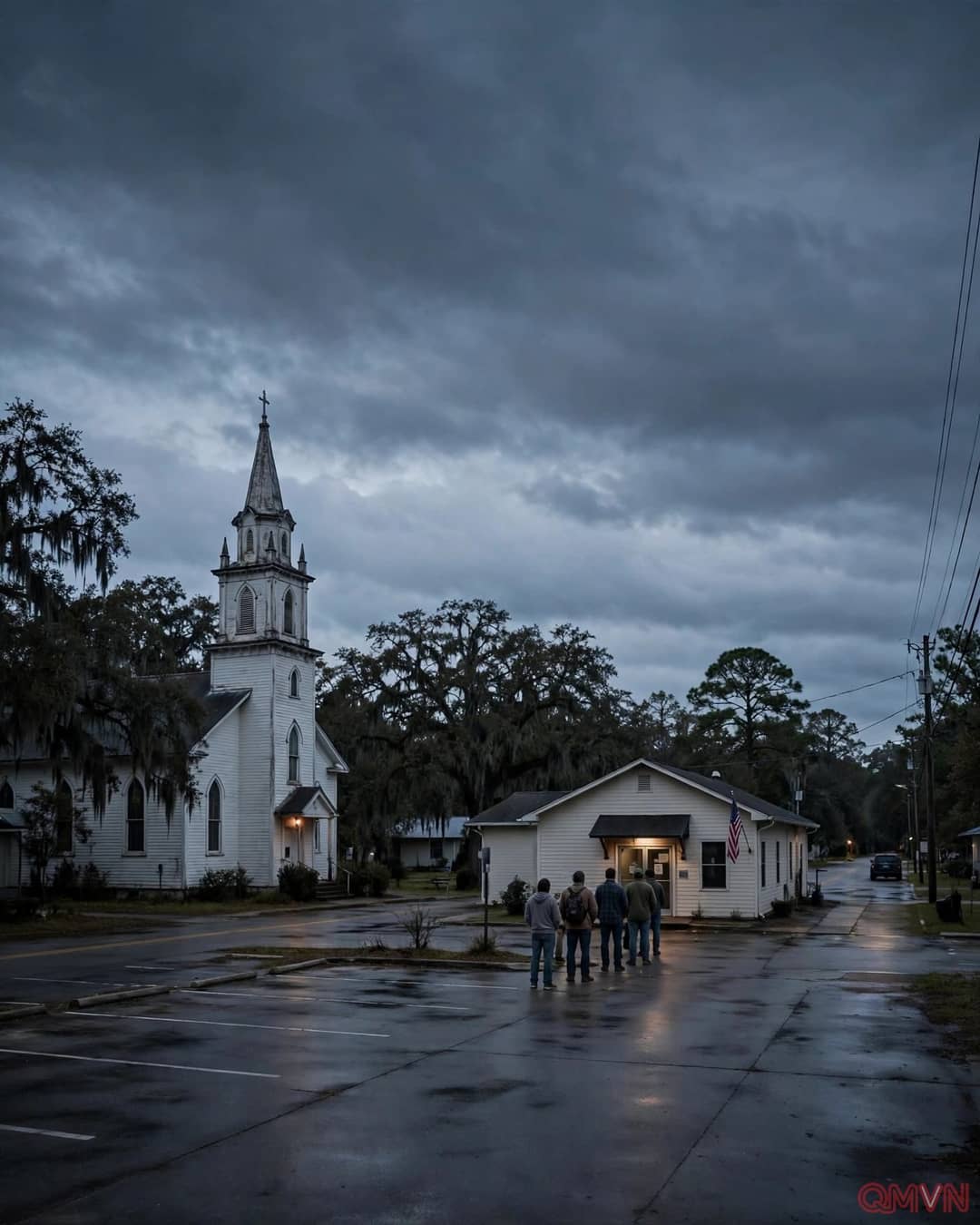
The American Communities Project (ACP), a research initiative based at Michigan State University, sorts U.S. counties into community types rather than claiming that every resident votes alike. Its “Evangelical Hubs” are concentrated largely across the southeastern United States. The project identifies 375 such counties nationally; 343 were in the 15 states included in its analysis of Senate contests. The calculation measures total votes in the counties against their 2024 presidential vote counts, not verified individual religious attendance at the polls.
The difference is striking. The hubs produced 66 votes in 2026 for every 100 votes cast there in 2024, while the remaining counties in those states produced 78 per 100. ACP estimates that matching the other counties’ relative vote production would have added approximately 333,000 ballots across the hubs. That is a measure of a geographic participation gap, not evidence that all those hypothetical ballots would have supported one party.
The electoral margin changed as well. Trump carried these counties by 62 percentage points in 2024; Republican Senate candidates won them by 45 points in 2026. That 17-point narrowing does not mean Democrats won the counties. It means the Republican advantage was less commanding, a distinction essential to interpreting shifts within a politically conservative region.