MAIN CONTENT
Adaptation Finance Standoff in Antalya Amid Wide Funding Gap
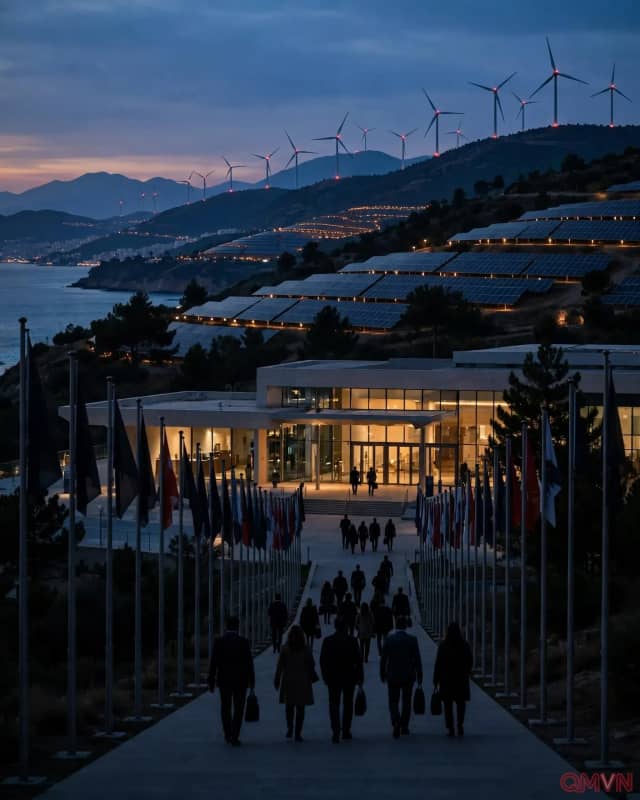
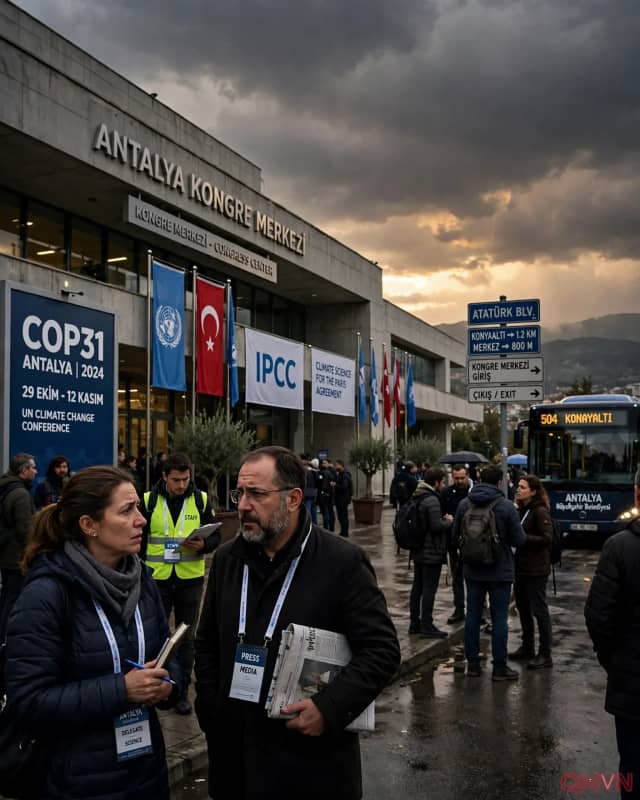
On Thursday, November 19, 2026, during COP31 climate negotiations in the Turkish city of Antalya, the impacts of this year’s El Nino have heightened urgency for vulnerable countries ahead of the talks’ scheduled Friday close, even as finance remains a major sticking point.
United Nations figures show developing countries need roughly $300 billion a year to adapt to climate impacts and prepare for future events, yet in 2024 they received $30 billion in public finance and about $6 billion from private sources. In Antalya, a developing-country push to confirm that a prior pledge to triple adaptation finance would mean at least $120 billion annually was removed from the latest draft text, while smaller deals included grants of around $50 million from countries such as Spain and Germany.
"El Nino threatens the essentials people depend on: food on the table, clean water and a secure livelihood." Alexander De Croo
Harvest Losses, Food Security Strain, and Displaced Populations
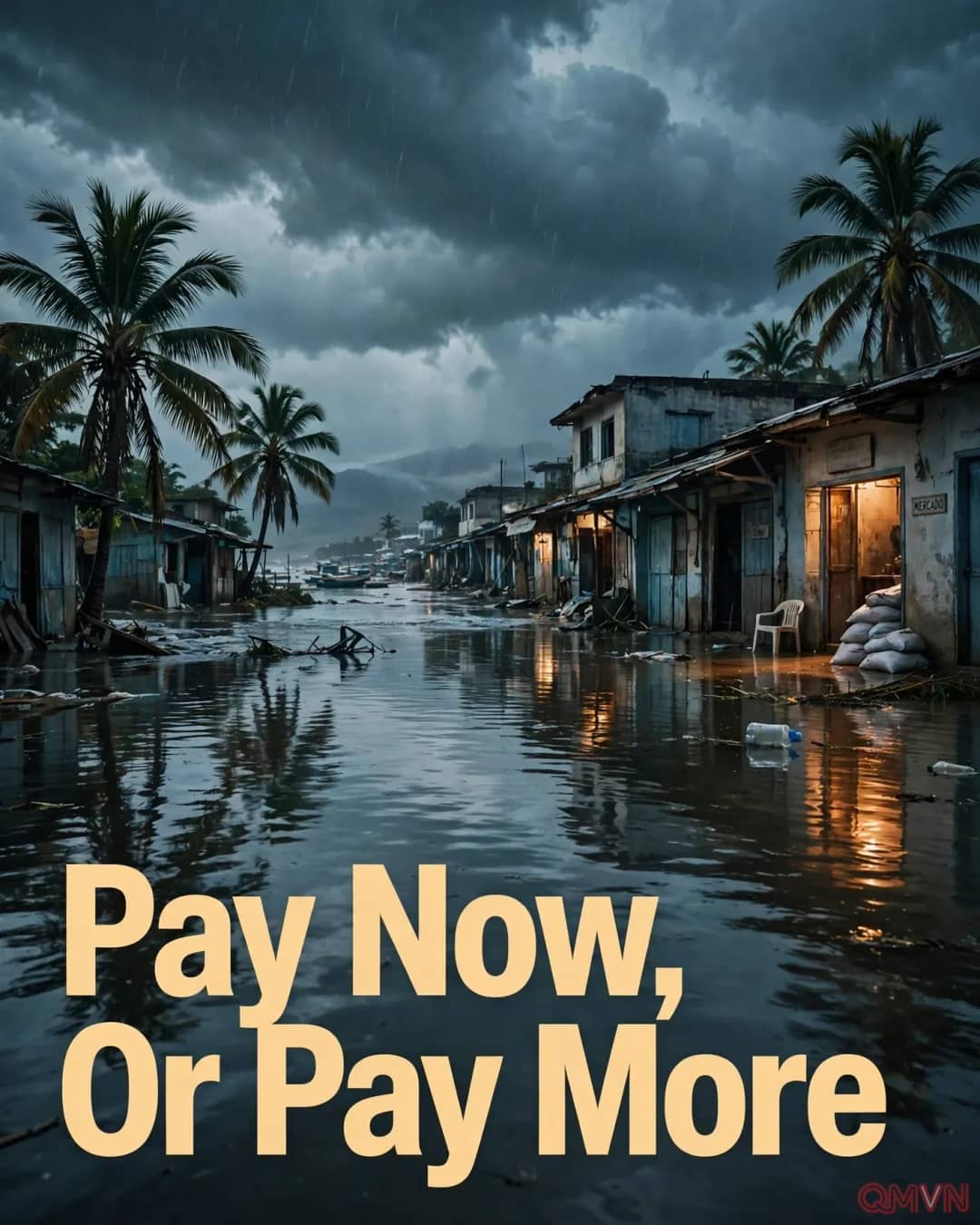
Although El Nino is a naturally occurring climate pattern, its effects are amplified by human-caused climate change, and the current episode is expected to rank among the strongest on record before peaking in early 2027. It has already reduced harvests of maize in Central America, anchovies in Peru, and rice and sugar cane in Asia, while forecasters anticipate droughts and floods across East Africa.