MAIN STORY
1. From neighborhood baskets to warehouse carts
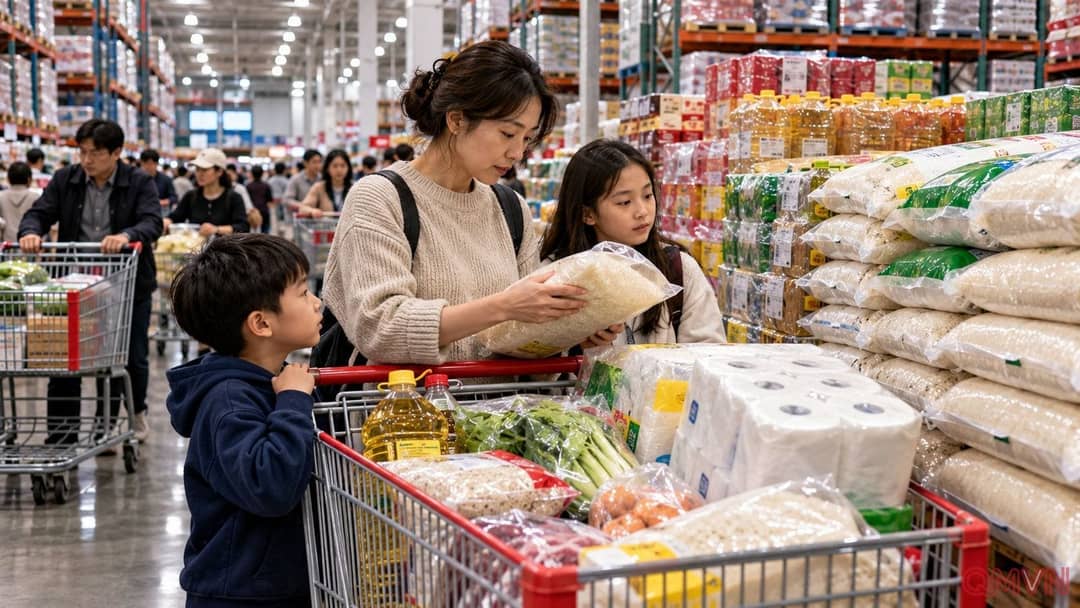
For Kim Eun-young, a 42-year-old mother of two in Seoul’s Gwangjin district, periodic Costco visits have replaced some trips to a nearby supermarket. She now buys familiar food and household necessities in larger packs, dividing groceries into meal-sized portions and storing them for later. Each transaction costs more, she says, but the price for a comparable quantity is lower.
That approach requires money upfront and room to store goods. The economics can work well for a family of four, but may be less appealing for a single shopper or someone with limited refrigeration.
2. What the record actually measures
WiseApp Retail said on October 20 that estimated combined credit- and debit-card payments at Costco and Emart Traders reached 1.45 trillion won in September. Each chain also recorded an individual high in the tracked data, according to Korean news reports including Yonhap.
The estimate comes from a sample of South Korean card transactions. It excludes cash, bank transfers and some outside payment channels, so it is not the retailers’ officially reported turnover. Higher payment totals may reflect price changes, more shoppers or larger baskets; by themselves they cannot establish that people consumed more food.