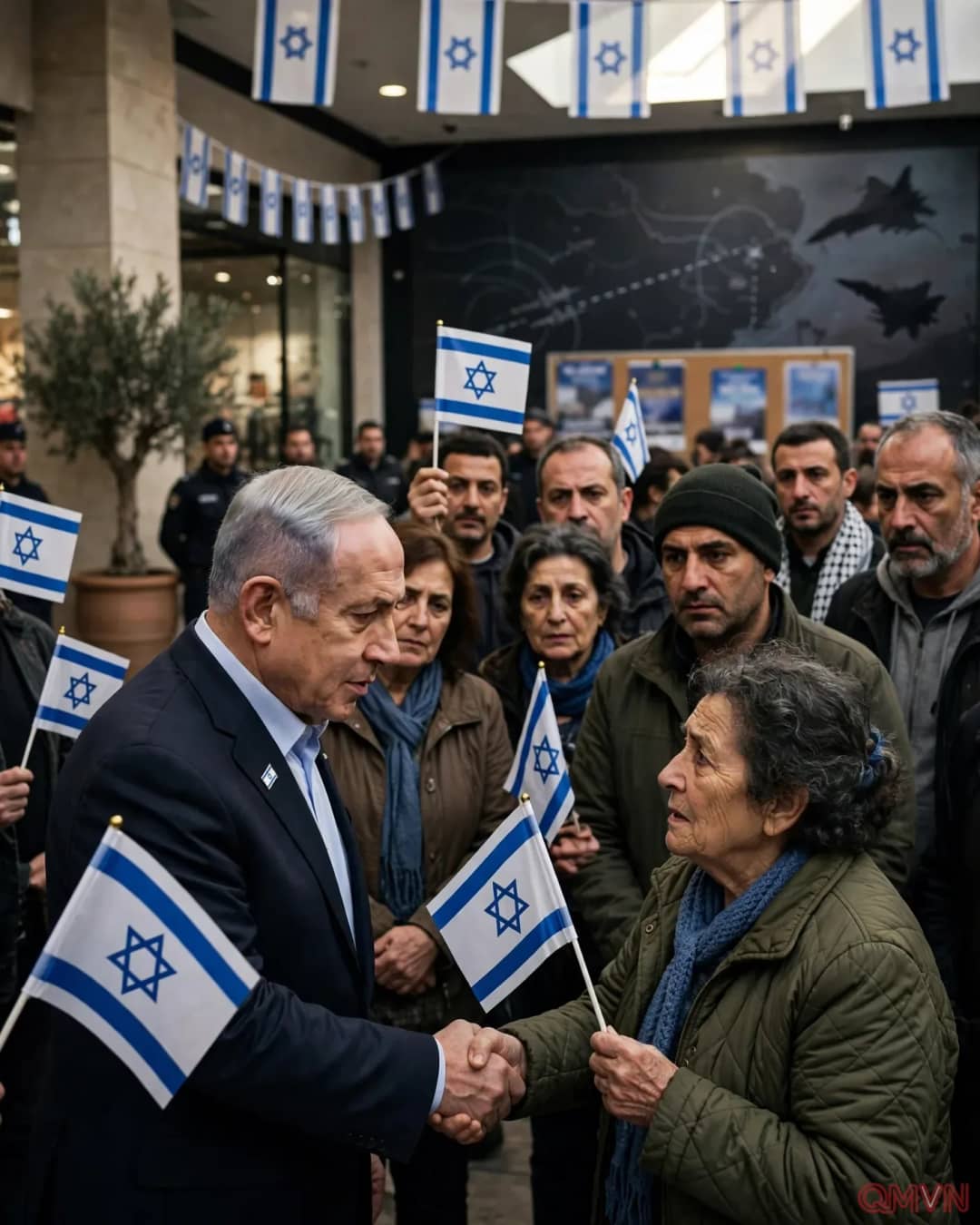
A Change of Leader, Not of Course
According to analysts, Israel’s security doctrine now rests on three pillars, shaped by successive shocks since 2023:
- Breaking Iran, its chief regional adversary.
- Holding buffer zones beyond its borders.
- Using military force to deter enemies.
The real divide between the camps is one of degree: how aggressively Israel fights its wars, how far it expands settlements in the West Bank and whether any leader opts for diplomacy. Aviv Bushinsky, a former adviser to Netanyahu, said that if re-elected, Netanyahu would continue settlement expansion and the wars against Iran, Hamas and Hezbollah.
What you see now is what you’ll see after the election, maybe even more aggressively.
A Tight Race
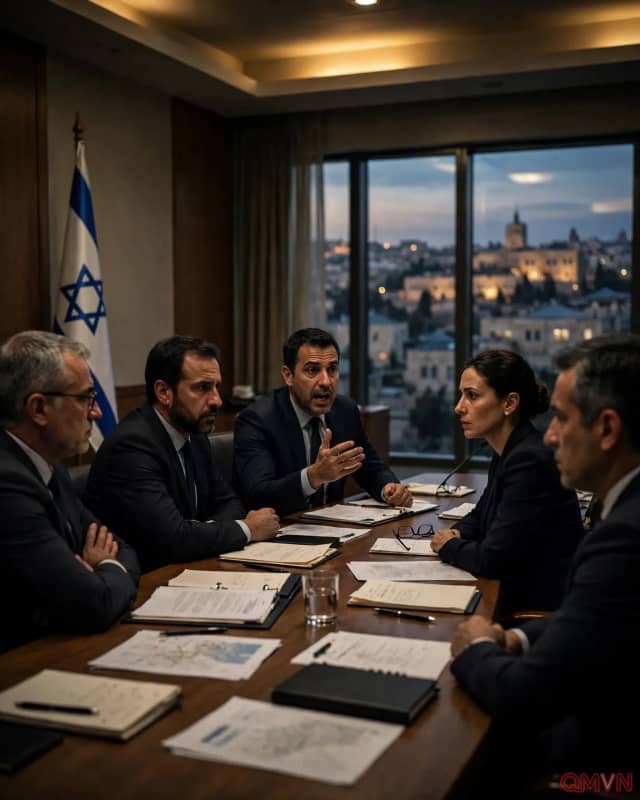
The election pits Netanyahu’s right-wing Likud and its ultranationalist allies against an opposition led by the Yashar party of Gadi Eisenkot, military chief from 2015 to 2019. Polls are mixed: Channel 12 projects Yashar winning 23 seats to Likud’s 20, while Channel 14 – which openly supports Netanyahu – gives Likud 29 seats and the ruling coalition exactly the 61 needed.