MAIN ARTICLE
1. One cable, several kinds of security
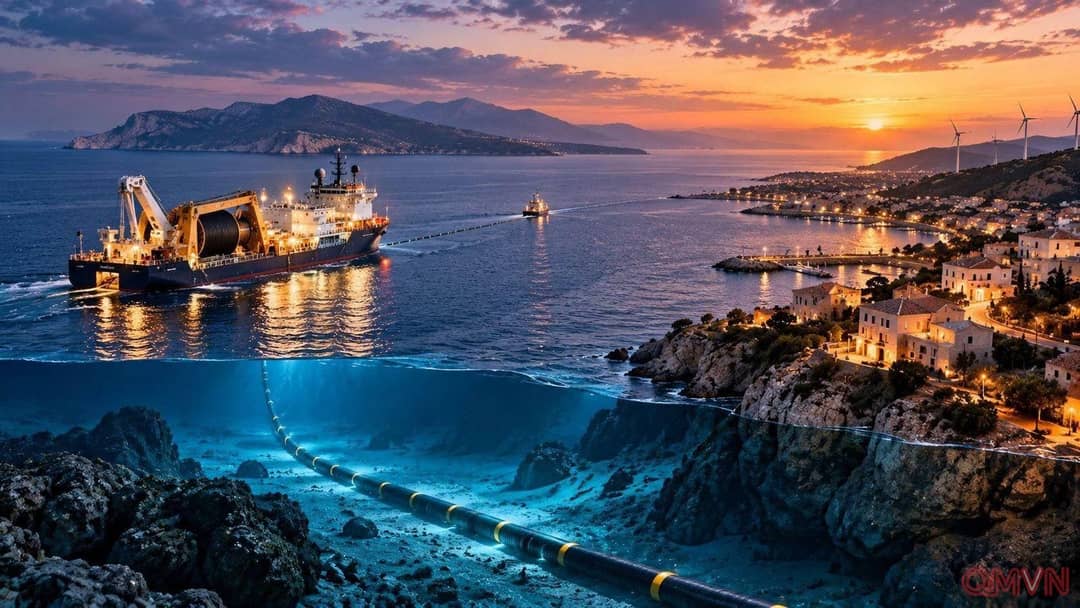
The Great Sea Interconnector is planned as a two-way electricity link. Its Greece–Cyprus section would extend roughly 898 kilometres, while a subsequent connection to Israel remains part of the wider vision. The European Commission says it could facilitate renewable-energy exchanges and give participating systems more ways to respond to supply shocks. An interconnector does not automatically deliver cheaper power, but it can create choices that isolated grids simply do not possess.
Cyprus remains the EU’s only member without a physical power connection to another member state. That explains why Brussels treats this investment as strategic rather than merely commercial, allocating about €657–658 million in support through the Connecting Europe Facility. In the longer term, better interconnection may support the adoption of cleaner generation and reduce exposure to imported fuels, provided complementary investments and sound market rules follow.
2. Diplomacy meets a disputed maritime map
In remarks published by Kathimerini on October 8 and reported by Reuters, Rubio described the U.S. as strongly committed to the project and said American diplomacy would seek to address impediments.