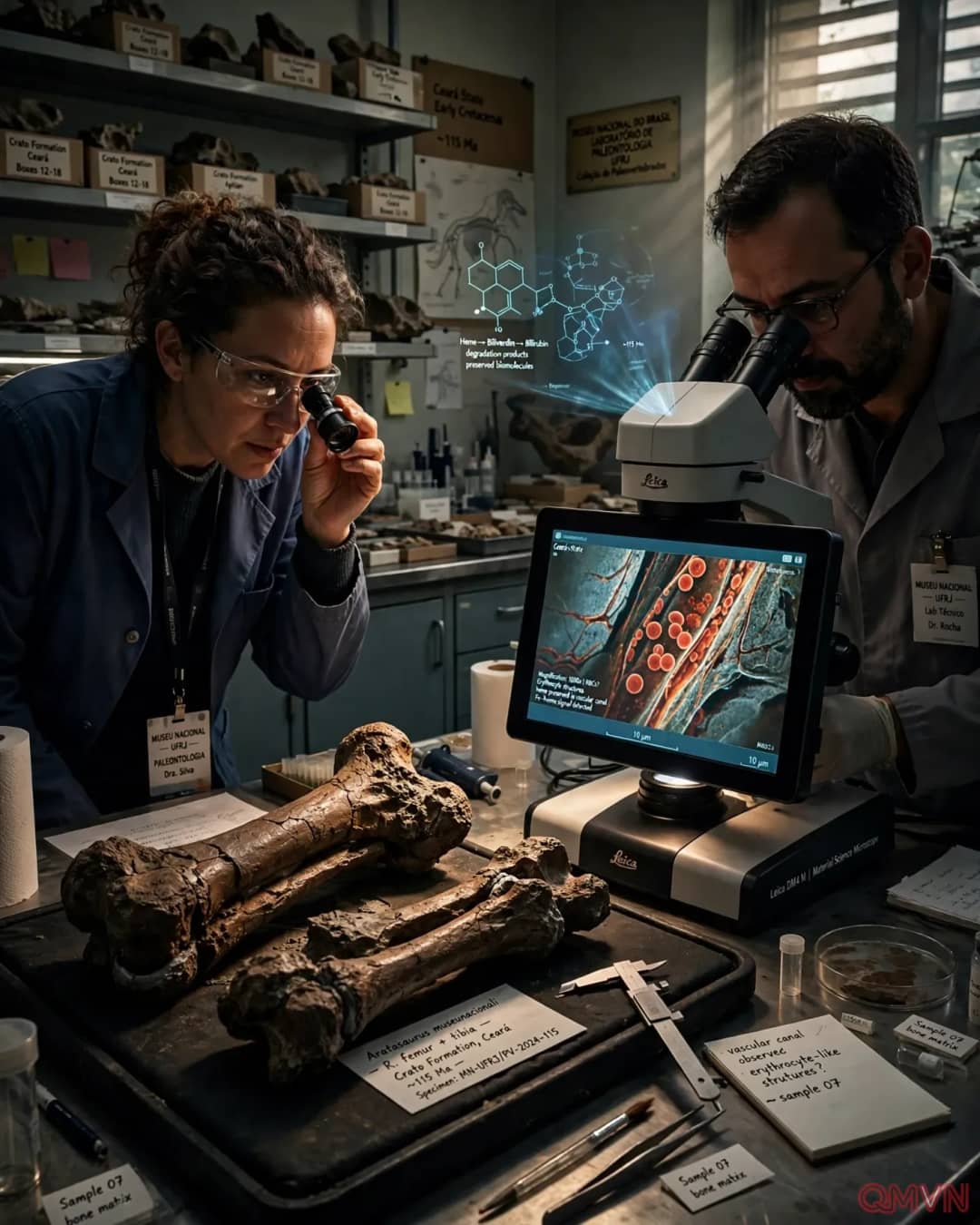
An unprecedented find
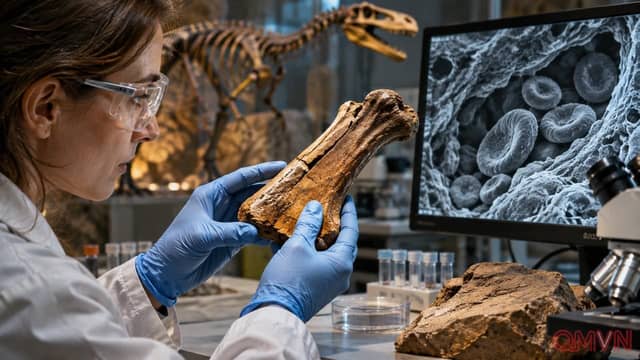
The evidence for red blood cells and heme was found in vascular canals inside the bones of one Aratasaurus individual. According to the team, what sets the study apart is the strength of the combined evidence: numerous red-blood-cell-like structures in place within the bone, their mineralization, their location in the vascular system and associated chemical signals related to heme. To their knowledge, that combination has not previously been demonstrated in a dinosaur fossil in this way.
*"We have not found a vial of dinosaur blood. What we are seeing is a mineral and molecular echo of ancient biology, and that is scientifically much more interesting." — Kliti Grice*
A small predator from Brazil
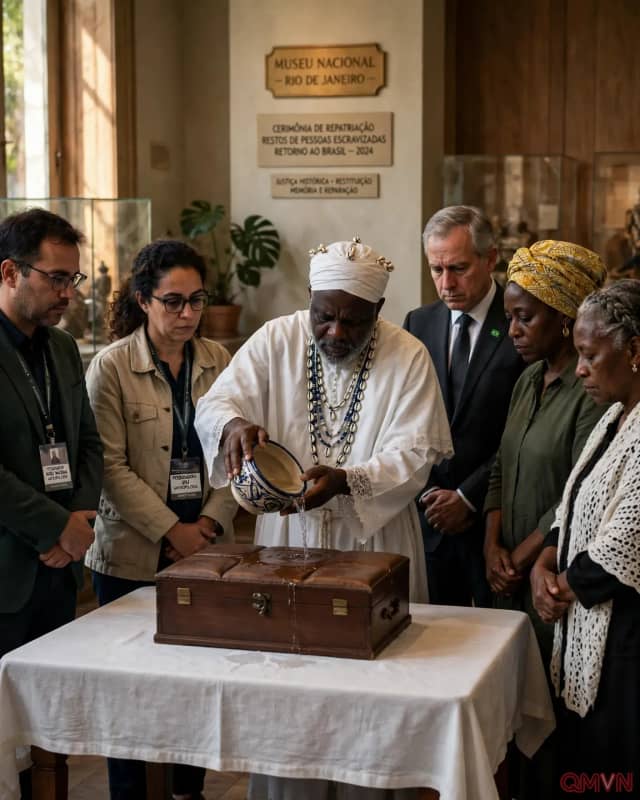
The Aratasaurus fossil was unearthed in a gypsum mine in Ceará state in northeastern Brazil, according to paleontologist and study co-author Alexander Kellner of the National Museum of Brazil. The species name honors the National Museum of Brazil, which was badly damaged by fire in 2018. Key facts:
- Aratasaurus lived about 115 million years ago, during the Cretaceous Period.
- The individual is thought to have been a juvenile or young adult, about 4 years old when it died, walking on two legs and measuring about 3.1 meters long.