From paperwork toward a more digital process
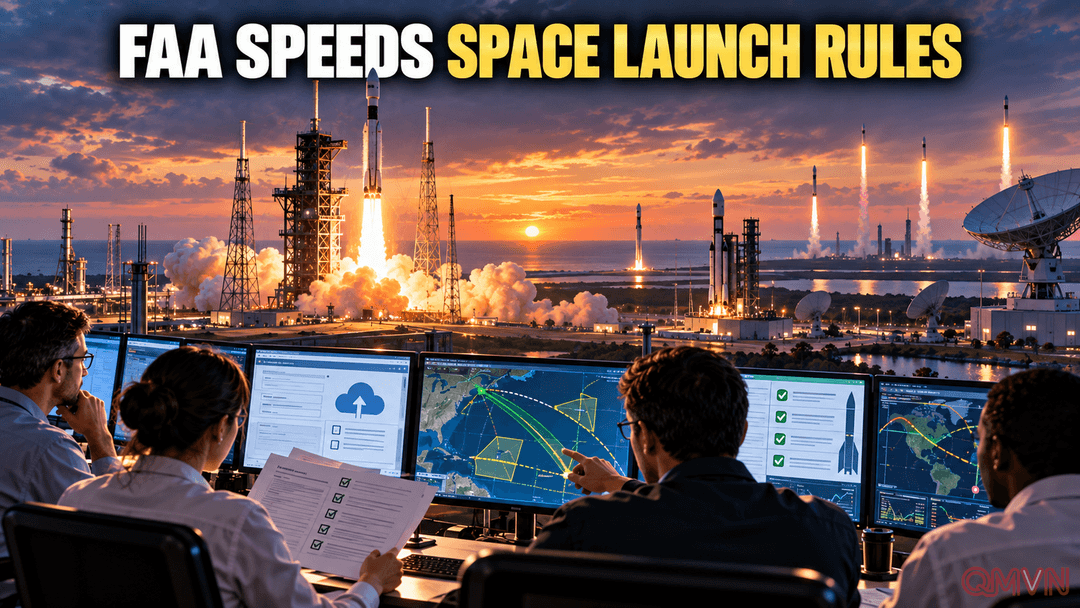
The most visible change in the FAA proposal is a further shift toward electronic licensing. Operators would be able to file applications online, while three safety analyses that are now submitted separately could be combined into one package. The FAA also wants to give companies greater room to show that an alternative technical approach provides a level of safety equivalent to the prescriptive standard in the rules.
That approach reflects how rapidly commercial launch operations have evolved beyond the environment in which much of the licensing process was designed. Companies now operate reusable rockets, denser launch schedules, multiple mission configurations and development cycles that can move more like software programs than traditional aviation projects. For operators, licensing delays become direct costs when rockets, payloads, launch pads and engineering teams are ready but authorization is not.
The 1,000-operation goal puts pressure on the regulator
In August, President Donald Trump signed a National Space Transportation Policy memorandum directing U.S. space ranges to grow toward supporting more than 1,000 launches and reentries each year by 2030. The White House says the target is intended to preserve U.S.