Figures above expectations
Petrobras’ third-quarter operating report shows strong growth across several indicators:
- Total oil, gas and gas liquids output of 3.51 million barrels of oil equivalent per day, up 11.7%.
- Oil production in Brazil of 2.83 million barrels per day, up 12.4%.
- Record exports of oil and derivatives of 1.25 million barrels per day, up 20.7%.
- Sales of oil, derivatives and natural gas of 3.49 million barrels per day, up 7%.
Total output beat the Visible Alpha consensus forecast of 3.48 million barrels, reinforcing market confidence in the company’s strategy of accelerating production.
New platforms drive growth
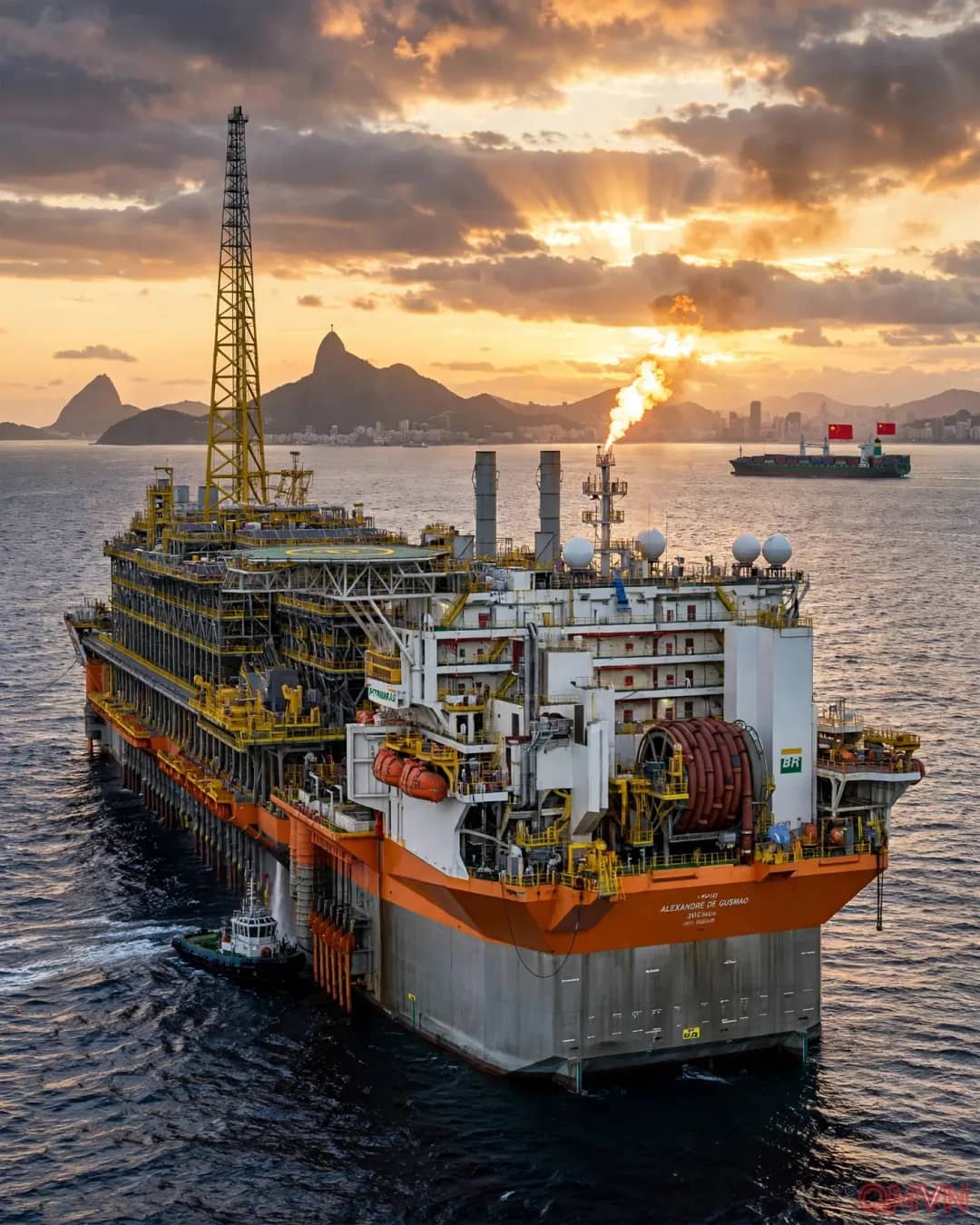
Petrobras said the offshore platforms Alexandre de Gusmão and Sepetiba reached peak output during the quarter, while Almirante Tamandaré posted record monthly production in July. These are large floating production and storage vessels operating in Brazil’s offshore pre-salt fields.
Domestic oil output surpassing even the peak foreseen in the 2026-2030 business plan shows new projects coming on stream faster and more efficiently than expected, and highlights the great potential of deepwater fields.
Record exports, led by China
Exports of oil and derivatives reached 1.25 million barrels per day, the highest ever. China remains the largest customer, accounting for 40% of Petrobras’ oil exports.
With Gulf supply disrupted by war and difficulties in the Strait of Hormuz, Brazilian oil has become an increasingly attractive option for importers seeking to diversify supply. High oil prices also benefit Petrobras’ revenue and Brazil’s public finances.
Opportunities and challenges
The growth gives Brazil an opportunity to strengthen its place among the world’s largest oil producers. As a state-controlled company, Petrobras contributes significantly to the budget through dividends and taxes.
However, expanding oil and gas production also draws criticism from environmental activists, especially as Brazil seeks a leading role in climate commitments. Balancing near-term economic gains with the long-term energy transition remains a difficult challenge for Petrobras and the Brazilian government.