MAIN STORY
When a boundary changes a community’s political future
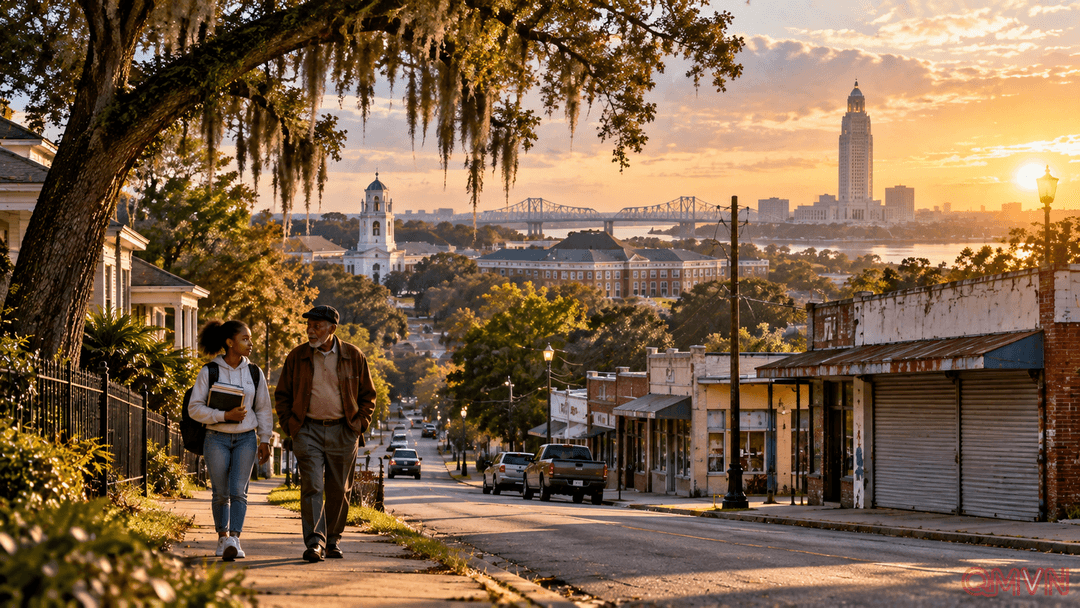
North of central Baton Rouge, Scotlandville is home to about 10,000 residents and a long-established Black community. Around Southern University A&M, older family businesses and gathering places recall a once-thriving local commercial life. Empty lots and shuttered storefronts now speak to concerns about investment, employment and basic services. Against this backdrop, congressional district boundaries are hardly abstract. Residents want someone who understands why a broken sidewalk or failing drainage system matters as much as the latest debate in Washington.
The neighborhood has once again been placed in a majority-white district. Fields, a Democrat elected in 2024 when District 6 included a Black majority, saw that share fall from about 53% to 25% under the replacement plan. In July he announced he would not seek another House term and would instead return to state politics. Residents have not lost their right to vote, but some worry that their ability to assemble a coalition and elect a preferred candidate has weakened.