MAIN ARTICLE
One fault, nationwide consequences
A nationwide departure halt is an exceptional safety precaution. Reuters reported that the FAA identified a communications problem affecting every Air Route Traffic Control Center. When reliable coordination cannot be assured, suspending departures reduces the possibility that a technical failure will become an operational safety crisis.
Cirium estimated that more than 1.5 million travelers were scheduled to depart on roughly 11,000 flights after the stop began. That is a measure of potential exposure, not a claim that every flight was canceled. The restriction lasted more than four hours, and restoring schedules was expected to take longer.
Aging equipment and cascading risk
A 2024 Government Accountability Office review found 51 of 138 FAA air traffic systems unsustainable and another 54 potentially unsustainable. Together they represented more than three quarters of those assessed.
The figures describe years of accumulated infrastructure risk rather than an isolated malfunction.
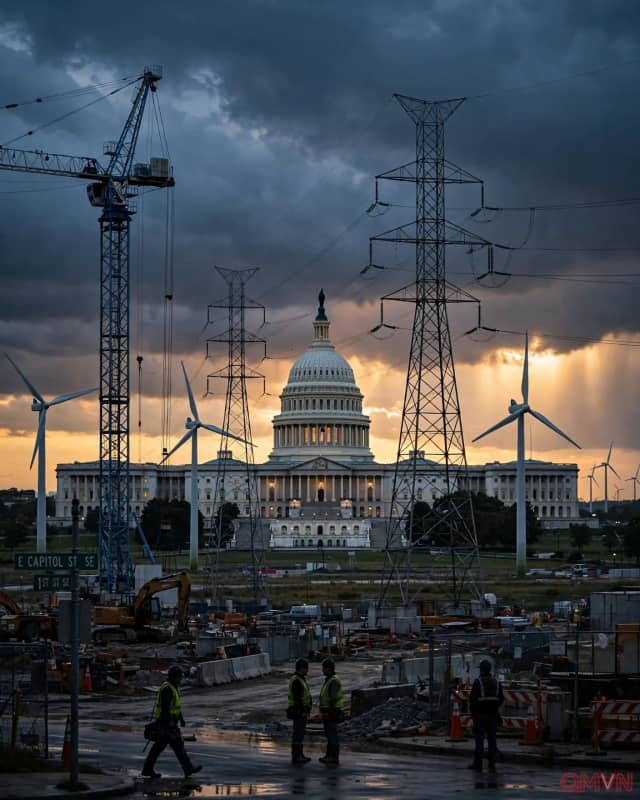
FAA Administrator Bryan Bedford has described more than 300 air traffic facilities as technological silos. Some depend on decades-old computers and communications gear. Replacement parts for obsolete equipment may even come from online auctions or be fabricated with 3D printing.
Funding is not the same as execution
Congress authorized $12.5 billion in July 2025 for air traffic upgrades. The administration says 68% of the old copper telecommunications network has been replaced by high-speed fiber. Bedford has cautioned, however, that faster cables alone cannot make an outdated network architecture resilient.
The GAO says the FAA still lacks a dependable program-wide cost estimate and integrated master schedule. As of May 2026 it had 11,389 separate, uncoordinated project schedules, increasing the risk of duplicate work, cost overruns and delays. The first modernization phase is targeted for December 2028.
Passengers and public confidence
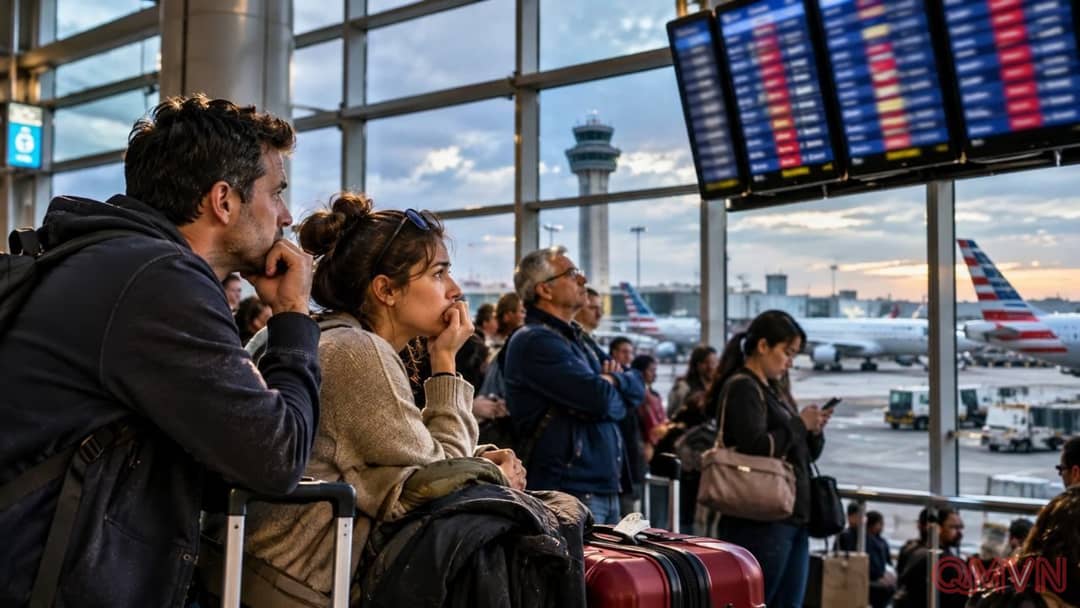
At airports, technical failures become missed connections, extended queues and disrupted work or family plans. A resilient system should prevent a failure at one point from disabling a much larger network.
The shutdown also shows why funding announcements are only a starting point. The public needs measurable evidence of redundancy, coordinated delivery and faster recovery from future incidents.