MAIN CONTENT
A technical deal that could still decide a Knesset seat
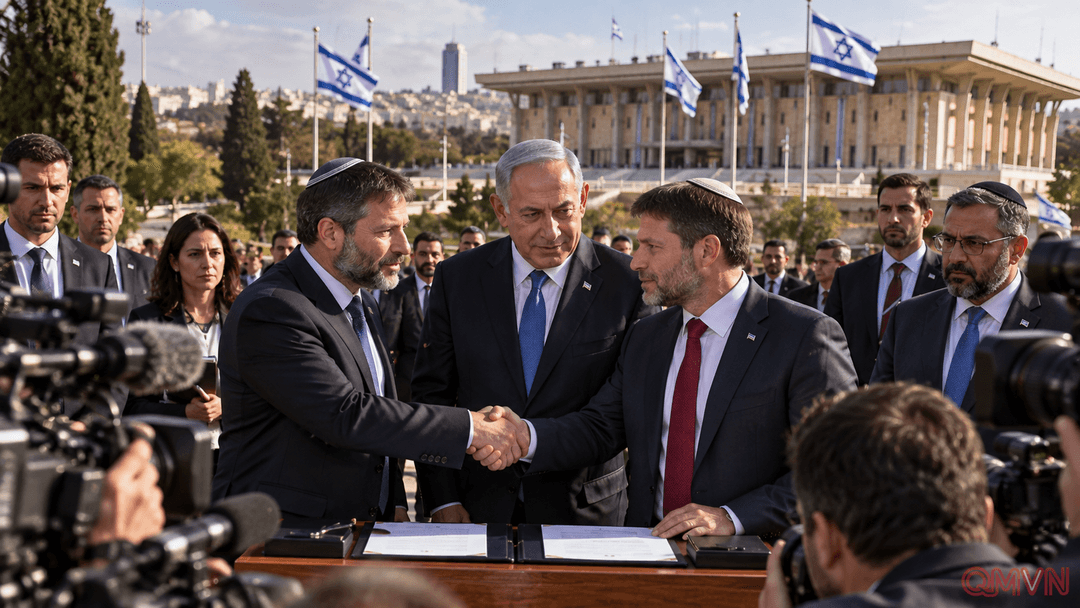
The Likud–Religious Zionism agreement rests on Israel’s system for distributing surplus votes. After parties that clear the 3.25% threshold receive their initial share of seats, some mandates remain unallocated. Two parties may sign an agreement allowing them to be treated as a larger combined bloc during the distribution of those remaining seats under the Bader–Ofer method. The arrangement guarantees nothing, but it can improve the odds that one of the partners receives a final extra mandate.
Crucially, the deal does not create a joint electoral list. Likud and Religious Zionism still run separately, with distinct candidate lists and platforms. If either party fails to cross the threshold, the agreement has no practical effect. Recent polling places both above it, with Likud around 21 seats and Religious Zionism near six, making the arrangement potentially relevant to the final arithmetic.
Otzma Yehudit lashes out while opposition parties weaponise the deal
National Security Minister Itamar Ben Gvir’s Otzma Yehudit reacted angrily after Likud chose Smotrich’s party rather than Ben Gvir’s as its surplus-vote partner. Otzma Yehudit claimed Likud was trying to weaken the party and keep Ben Gvir out of a future unity government that, it alleged, Netanyahu may seek after the election.